Washington Faces Mounting International Pressure as Iran Ceasefire Appears Increasingly Fragile
- Naomi Dela Cruz
- U.S.A
- May 12, 2026
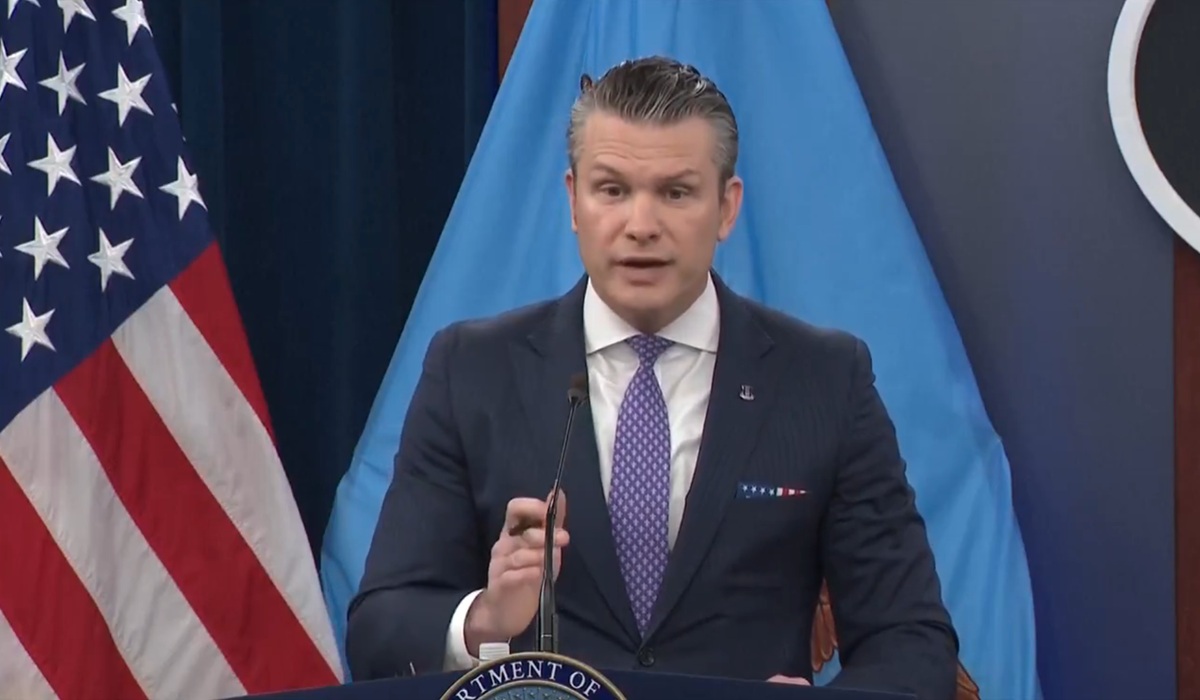
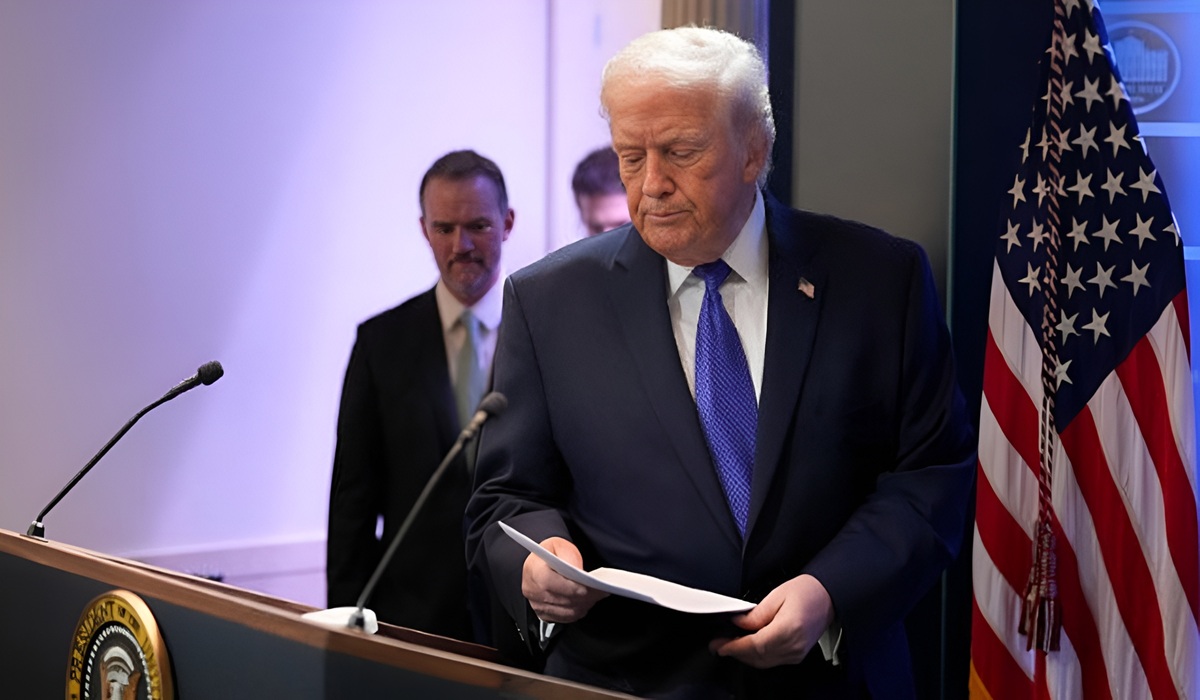
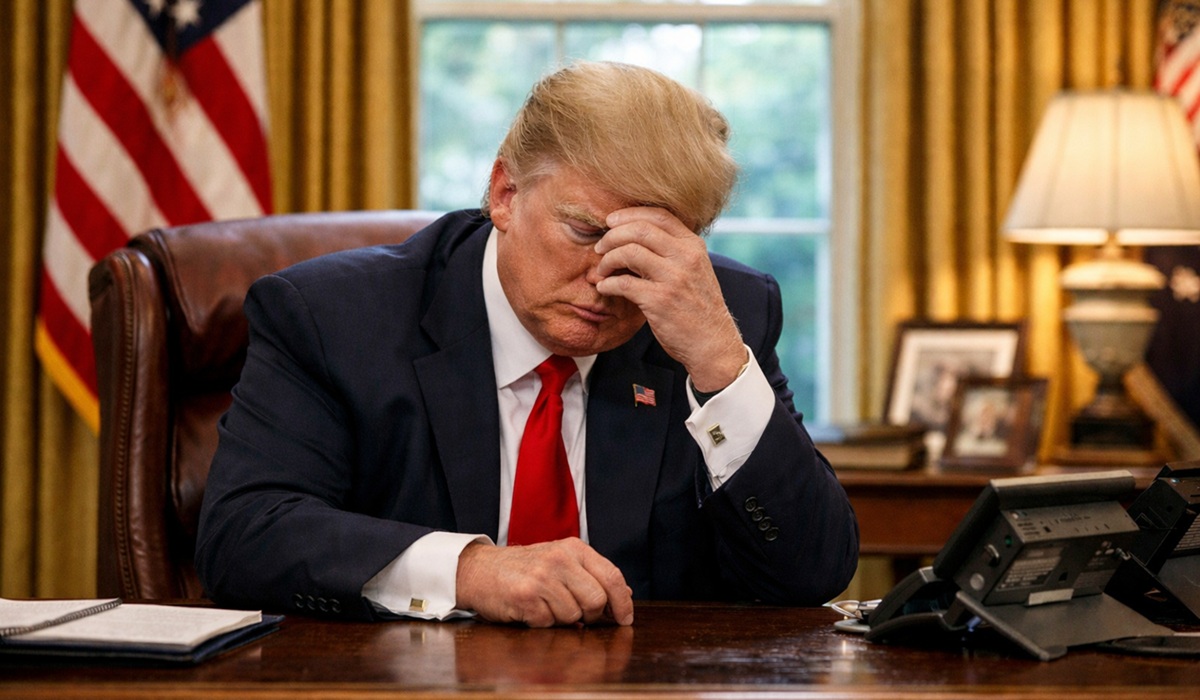
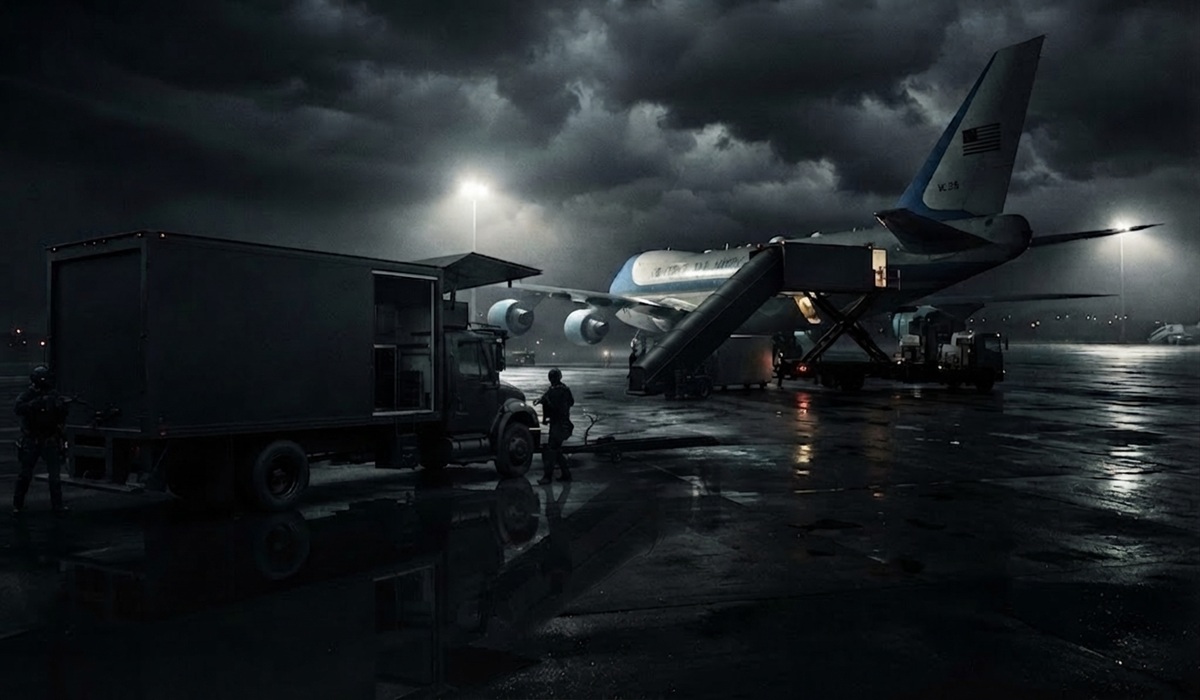
The White House is facing growing scrutiny after renewed instability surrounding the fragile ceasefire involving Iran raised fears of another major regional escalation. President Donald Trump acknowledged during recent remarks that negotiations remain extremely difficult as diplomatic efforts continue behind closed doors involving Gulf nations, European intermediaries and military officials. Tensions have remained high following reports of additional confrontations tied to maritime security and regional military positioning near the Strait of Hormuz.
American officials continue insisting that diplomatic channels remain open, but frustration inside the administration appears to be intensifying. Iranian negotiators reportedly rejected portions of the latest framework proposal tied to sanctions, shipping protections and nuclear oversight mechanisms. Military analysts warn that even a limited collapse in negotiations could create immediate consequences for global oil markets and international shipping routes. Financial markets have reacted cautiously as investors attempt to assess whether current tensions are temporary political maneuvering or signs of a deeper breakdown.
The administration is also dealing with criticism domestically over broader foreign policy strategy. Some lawmakers are arguing that Washington’s current approach lacks consistency, while others believe stronger pressure tactics are necessary to prevent Tehran from gaining leverage in negotiations. Debate has intensified over military readiness in the Gulf region, with several analysts warning that prolonged uncertainty increases the likelihood of miscalculation or unintended escalation involving regional proxy groups.
At the same time, economic concerns inside the United States remain deeply connected to developments overseas. Rising energy costs linked to geopolitical instability have renewed fears surrounding inflation and consumer pricing. Transportation industries, manufacturing sectors and shipping companies are all closely monitoring developments because even temporary disruptions in Gulf shipping traffic could have broad international consequences. Economists are warning that another significant energy shock would complicate efforts to maintain stable growth throughout the remainder of the year.
Beyond foreign policy, political polarization continues defining much of the national landscape. Immigration, tariffs, federal spending and law enforcement policies remain major dividing lines ahead of upcoming political battles in Congress. Trump has continued presenting his administration as aggressively defending national interests abroad while critics accuse the White House of contributing to volatility through confrontational rhetoric and unpredictable negotiating tactics. Regardless of political perspective, many analysts agree that the outcome of the current standoff with Iran could shape international perceptions of American influence for years to come.
About The Author