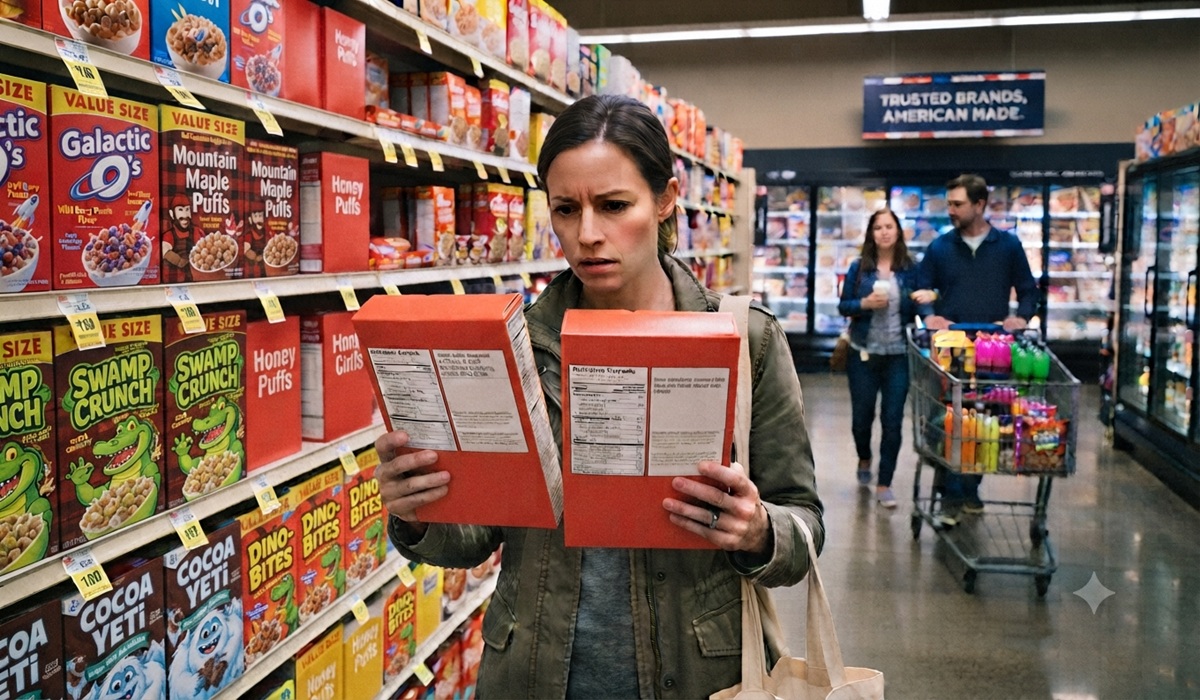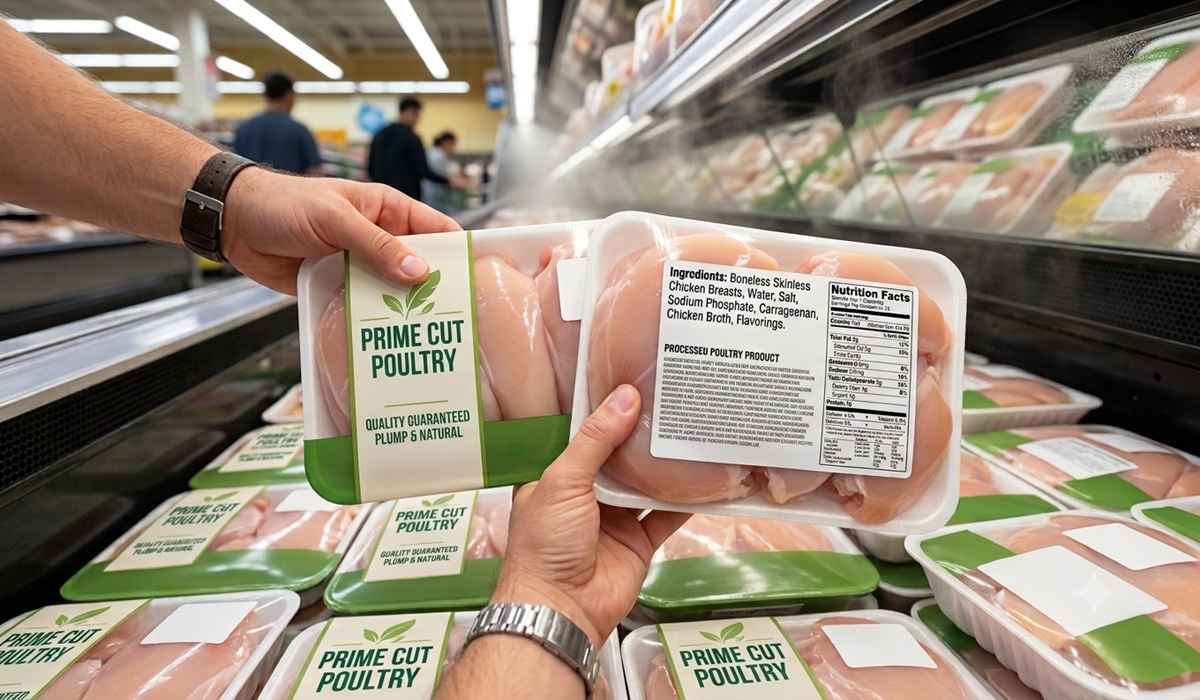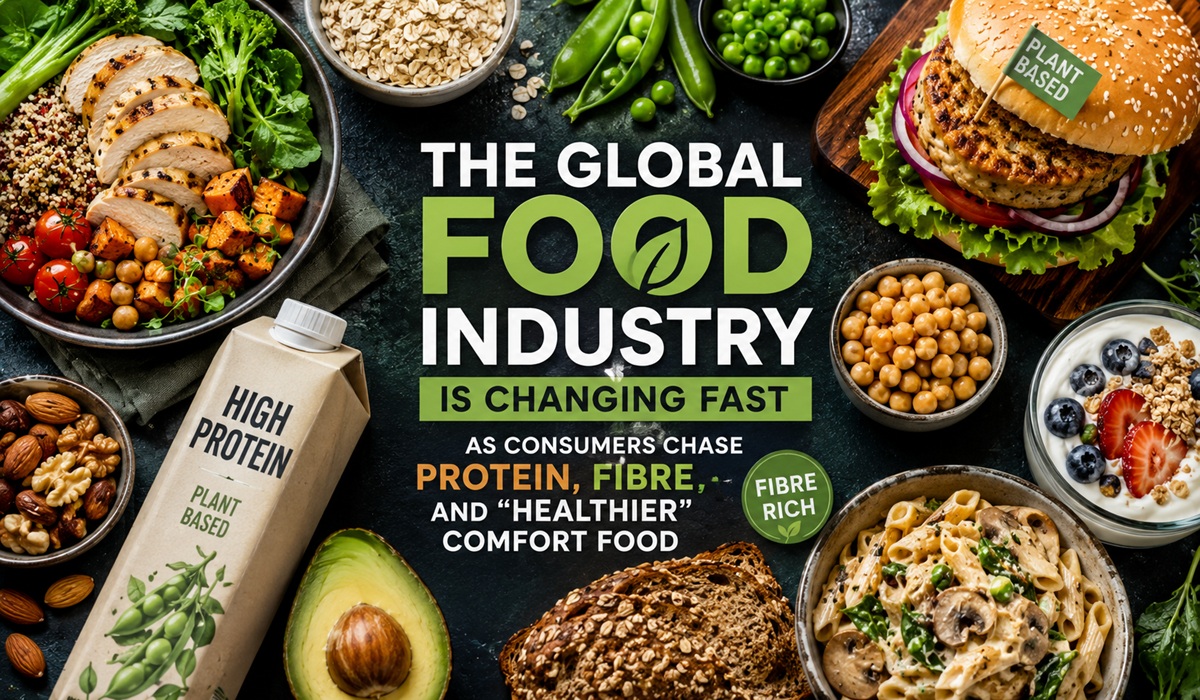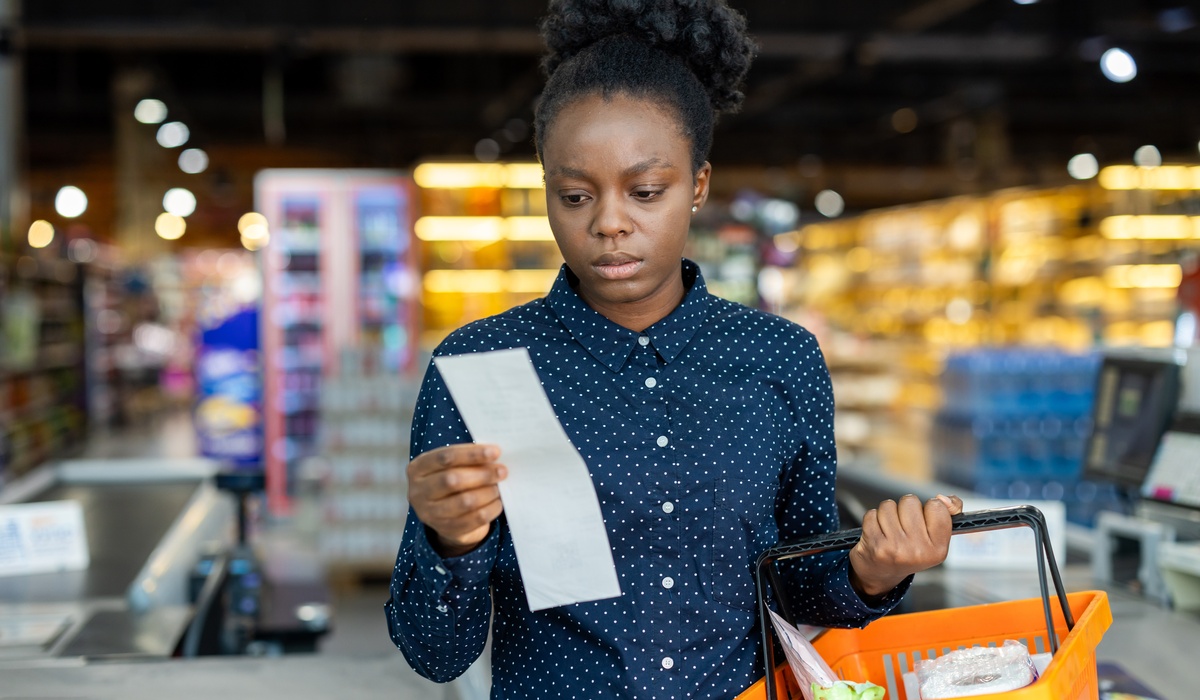
The monopoly problem behind rising grocery costs has become one of the most urgent economic conversations of the past several years. Americans across income levels have noticed that their weekly grocery bills look nothing like they did five years ago, and the explanation runs deeper than inflation alone.
Corporate consolidation throughout the food supply chain has handed enormous pricing power to a shrinking number of companies, and ordinary consumers bear the cost of that imbalance every time they check out. The problem did not emerge overnight, and it will not be resolved without action from the majority of civic-minded individuals.
To understand how this happened, it helps to trace the consolidation that has reshaped the grocery industry over the past two decades. A small number of retail giants now control the majority of grocery sales in the United States. Walmart and Kroger collectively command a substantial share of the domestic market, and the proposed merger between Kroger and Albertsons, which the Federal Trade Commission moved to block in 2024, illustrated just how aggressively these companies pursued dominance.
When fewer retailers compete for shoppers, the incentive to keep prices competitive weakens considerably. Companies begin to set prices that reflect their market position rather than genuine competition, and consumers absorb the difference. This diminished competition not only leads to higher prices but also reduces the variety and quality of products available to consumers, further amplifying the effects of consolidation.
The consolidation problem doesn’t stop at the retail level. Food manufacturers have undergone their own wave of mergers, and today a relatively small number of corporations produce the vast majority of what Americans eat. This concentration gives manufacturers significant leverage in negotiations with retailers over pricing. As a result, smaller food producers struggle to compete, leading to fewer choices on store shelves and making it harder for innovative or local brands to gain traction.
Retailers, in turn, pass higher costs along to shoppers rather than absorbing them. The chain reaction from manufacturer to shelf to consumer has directly contributed to the price increases that households now struggle to manage. When market power concentrates at multiple points in the supply chain, consumers face pressure from every direction.
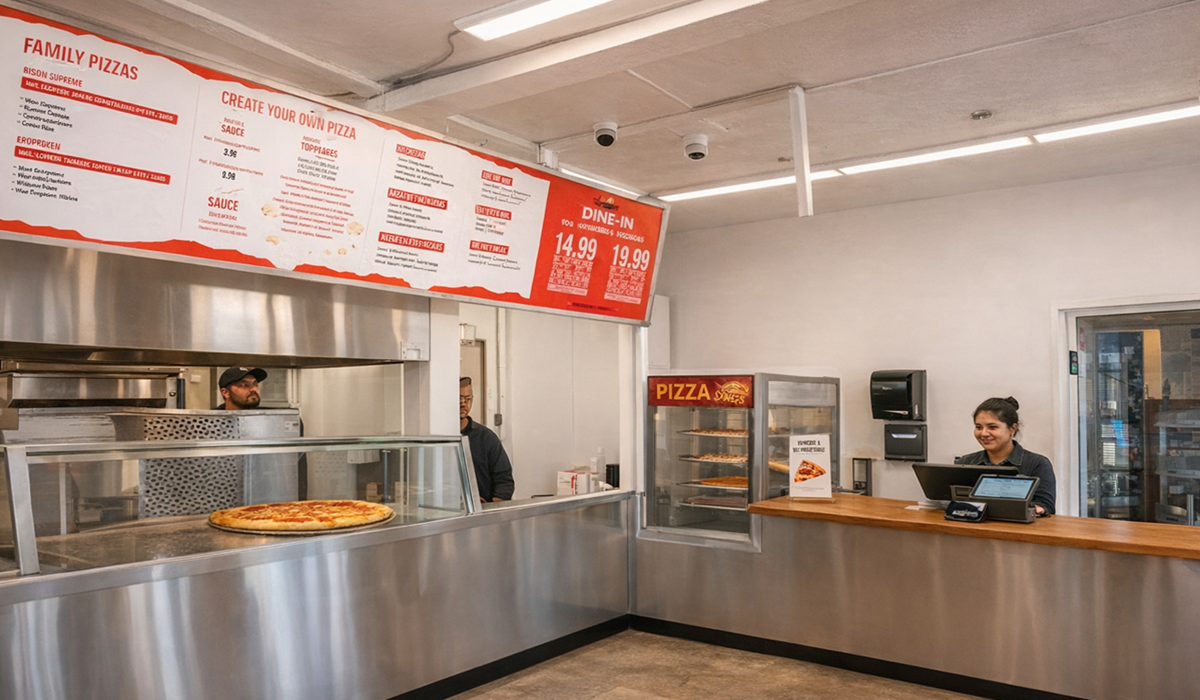
The effects of this consolidation reach far beyond individual households. Restaurants and foodservice businesses face their own version of this pressure. A small restaurant owner who makes mistakes in ordering restaurant supplies can lose hundreds of dollars in a single week, but the structural problem goes well beyond individual error.
When a handful of distributors control the wholesale food market, restaurant owners have limited options for finding competitive pricing. Many absorb those losses in ways that ultimately force them to raise menu prices or close their doors entirely. The ripple effect of grocery and food distribution consolidation touches every corner of the food economy.
This pattern has emerged with particular force in Canada as well. Canada’s widespread monopoly problem in the grocery sector has drawn considerable attention, with major retail chains controlling a dominant share of the national food market. As a result, Canadian consumers have faced similar price increases and reductions in product variety, echoing the challenges seen in the United States and sparking widespread public debate.
Canadian politicians and consumer advocates have pushed for greater regulatory scrutiny, and the policy debates there have informed similar conversations south of the border. The parallel between the two countries suggests that this is a structural issue tied to decades of lax antitrust enforcement, not a temporary disruption driven by external economic forces.
The response to this problem has been slow and uneven. Antitrust enforcement in the United States weakened significantly starting in the 1980s, when regulators adopted a framework that focused almost exclusively on whether mergers harmed consumers by raising prices in the short term.
Under that standard, many consolidations sailed through government review, even when they clearly reduced long-term competition. By the time policymakers recognized the consequences, the market had already restructured around a small group of dominant players with little incentive to compete aggressively on price.
The Biden administration attempted to reverse course by taking a more aggressive stance on antitrust enforcement, including the FTC’s challenge to the Kroger-Albertsons merger. But regulatory action moves slowly, and the grocery industry continues to evolve faster than oversight can keep pace. The political will to address corporate consolidation divides along ideological lines: some frame antitrust enforcement as necessary government intervention, while others describe it as regulatory overreach that stifles business growth. That division has slowed the kind of comprehensive reform the market clearly needs.
What lawmakers across the political spectrum have largely agreed on, however, is that food prices represent a genuine crisis. Polling consistently shows that grocery costs rank among the top economic concerns for American voters, and that pressure has pushed the conversation about market concentration into the mainstream.
Politicians who once avoided the complexity of antitrust policy now find themselves pressed to explain why a trip to the grocery store costs significantly more than it did just a few years ago. Mounting public pressure has forced elected officials to address market concentration as a kitchen-table concern, not just an abstract economic theory. Voter frustration has turned what was once a narrow technocratic debate into a central issue in American political life.
The path forward requires more than political will. Structural reform of the food supply chain would involve stronger merger review standards and far greater transparency in the pricing practices of major food distributors. It would also require sustained investment in smaller regional grocers that can offer genuine competition to national chains.
None of these steps comes quickly or without resistance from the companies that benefit most from the current structure, and progress will depend on whether policymakers treat this as the systemic problem it is, rather than a short-term market anomaly.
The monopoly problem behind rising grocery costs ultimately reflects a deeper failure of the systems designed to protect consumers from concentrated corporate power. Until policymakers commit to enforcing competition in a meaningful way, consumers will continue to pay a price that reflects not the true cost of food, but the premium that comes with a market built around dominance rather than fairness. The grocery store has become a place where structural power, not supply and demand, sets the terms. That reality demands a serious and sustained political response.
About The Author