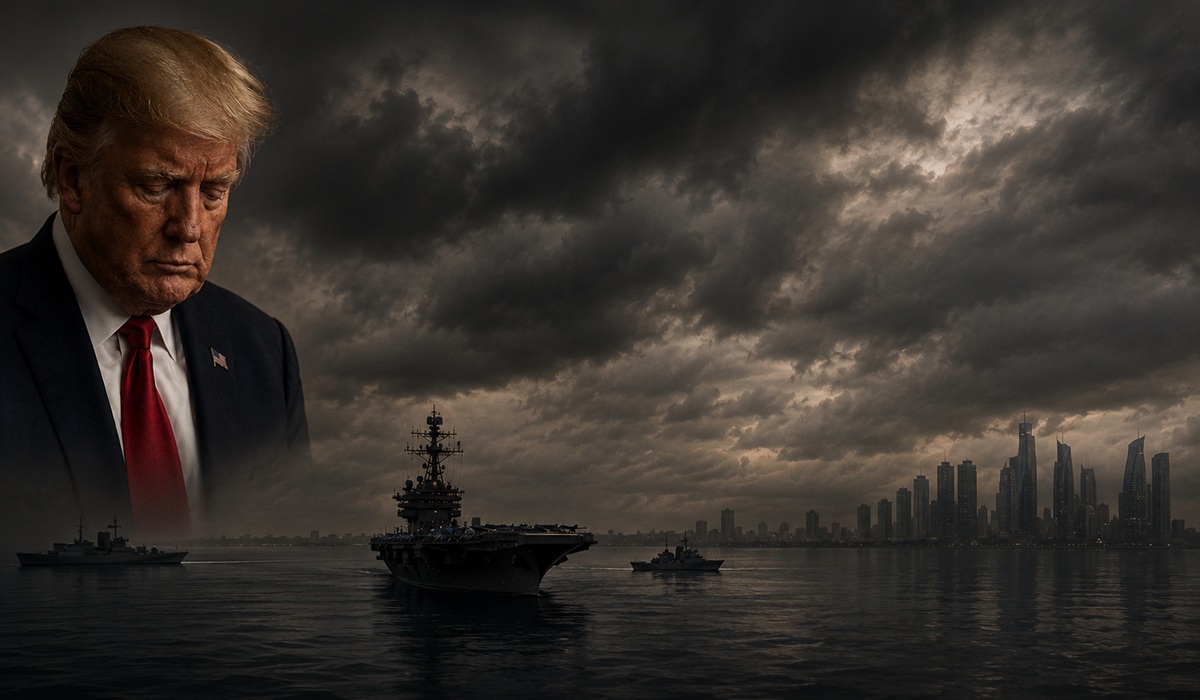
What was originally presented by the White House as a pathway toward de-escalation in the Middle East is now increasingly looking like a ceasefire in name only. The fragile arrangement between Washington and Tehran has spent the past several days unraveling publicly as military strikes, political threats and diplomatic failures continue piling up faster than negotiators can contain them.
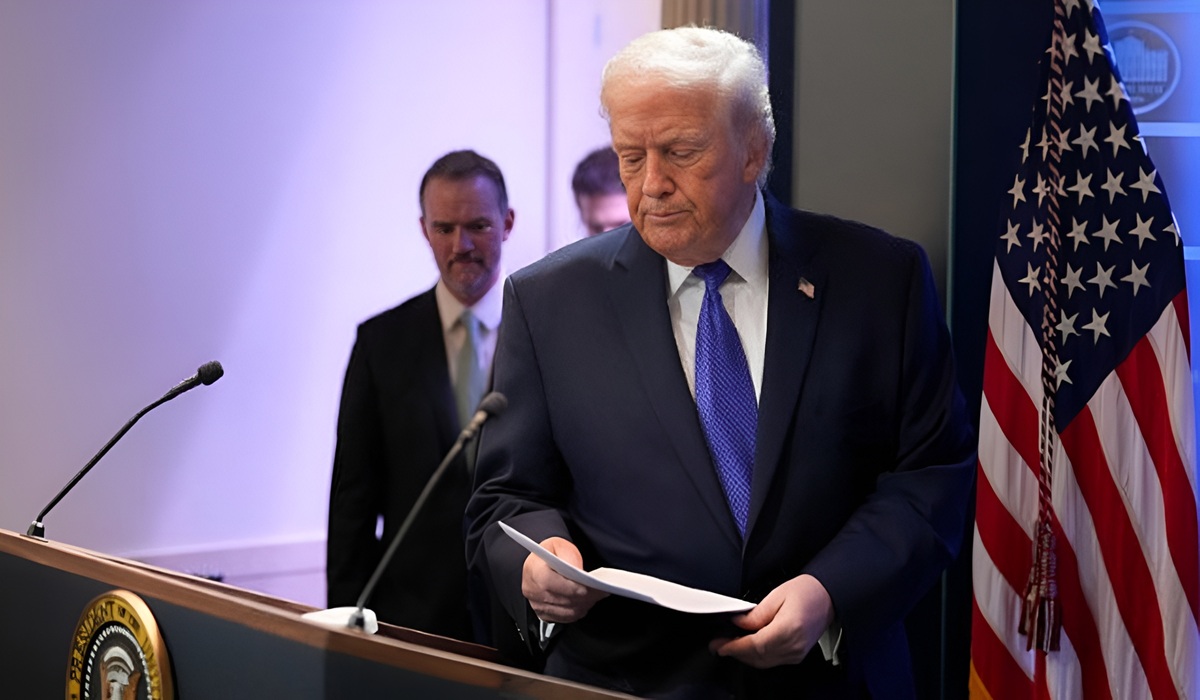
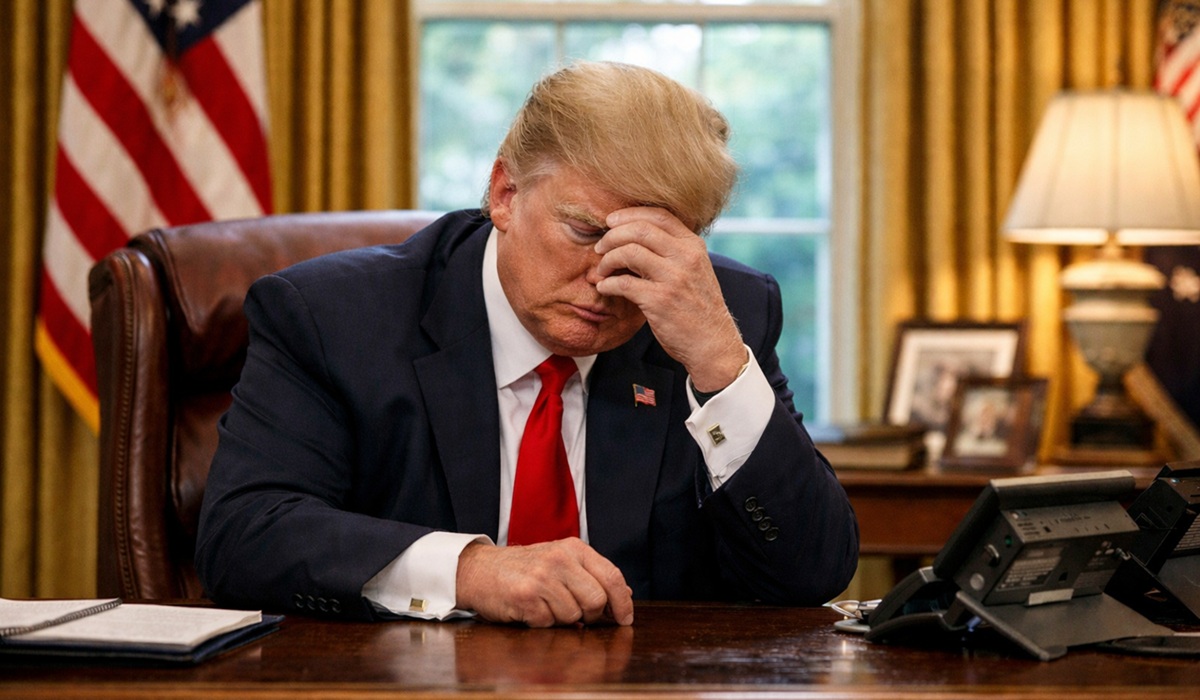
President Donald Trump himself admitted this week that the ceasefire is “on life support,” a remarkable statement considering his administration had previously framed the agreement as proof that pressure tactics against Tehran were working. Instead, the situation has deteriorated into a chaotic standoff involving naval clashes, missile launches, economic disruption and rising fears that the region could slide back into full-scale war at any moment.
One of the biggest problems is that neither side appears to agree on what the ceasefire even means anymore. Washington continues demanding major concessions tied to uranium enrichment, weapons inspections and restrictions on Iranian military infrastructure. Tehran, meanwhile, insists sanctions must be lifted first, frozen assets released and military pressure halted before deeper negotiations can even begin. The result has been weeks of diplomatic deadlock disguised publicly as “ongoing talks.”
Military activity has only made the situation worse. Iranian forces have reportedly continued launching drone and missile operations near the Strait of Hormuz while American naval assets remain heavily concentrated throughout the Gulf region. The United States has accused Tehran of violating the truce repeatedly through attacks targeting shipping routes and regional military assets. Iran, on the other hand, claims Washington violated the agreement first through strikes on coastal targets and vessels connected to Iranian operations.
The situation escalated even further after Iranian missile attacks tied to Qatar forced regional air defenses into action. Authorities in Doha confirmed multiple interceptions after missiles and drones were launched toward strategic locations, including areas near key infrastructure and military facilities. Falling debris reportedly injured civilians while regional governments scrambled to reassure residents and international partners that the broader conflict was still “contained.”
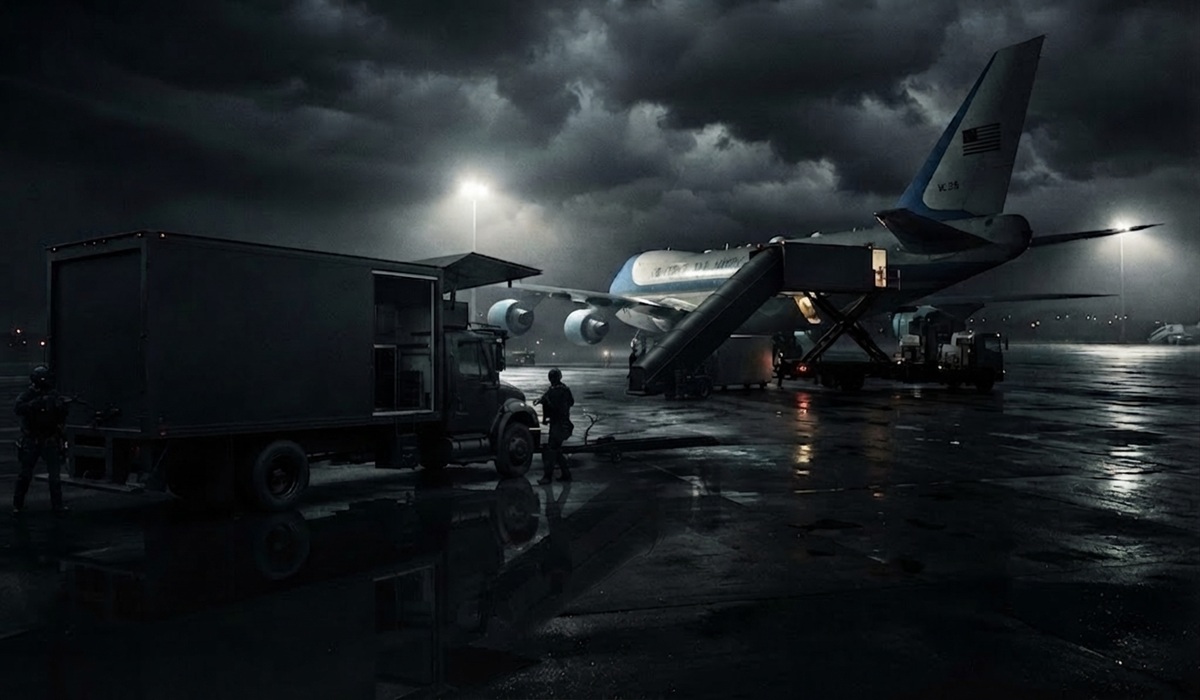
Meanwhile, claims surrounding American aircraft losses continue fueling propaganda battles across the region. Iranian media and military-linked sources have repeatedly claimed additional F-35 and other American aircraft have been shot down during operations connected to the conflict. Washington has denied many of the claims or refused to publicly comment on specific incidents, though reports surrounding rescue operations involving downed American aircraft have intensified speculation about the scale of the fighting behind the scenes.
Oil markets are also reacting nervously as uncertainty surrounding the Strait of Hormuz continues disrupting global energy flows. Shipping companies remain cautious about entering contested waters while insurance costs tied to commercial transit through the Gulf continue climbing sharply. Several analysts now warn that even a temporary closure or prolonged disruption in the region could send energy prices surging worldwide and place additional strain on already fragile economies.
Politically, the ceasefire has become increasingly difficult for the White House to defend. Critics argue the administration overpromised stability while underestimating how deeply entrenched the conflict had become. Others accuse both Washington and Tehran of using the ceasefire mainly as a tactical pause rather than a genuine effort to end hostilities.
The larger problem now facing diplomats is that trust between all sides appears almost completely broken. Every new missile launch, retaliatory strike or public threat pushes negotiations further toward collapse while increasing the chances of another major regional escalation involving Israel, Gulf states and American military forces already operating throughout the area.
At this stage, the ceasefire still technically exists. In reality, however, it increasingly resembles a slowing collapse rather than a functioning peace process.
About The Author