United States: Justice, Fear, and a Collapsing Economic Mood Collide at Once
- Ingrid Jones
- U.S.A
- April 29, 2026

The United States is entering a phase where three separate forces—legal escalation, security instability, and economic anxiety—are no longer operating independently. They are now feeding into each other in real time, creating a volatile environment that feels increasingly difficult to contain.
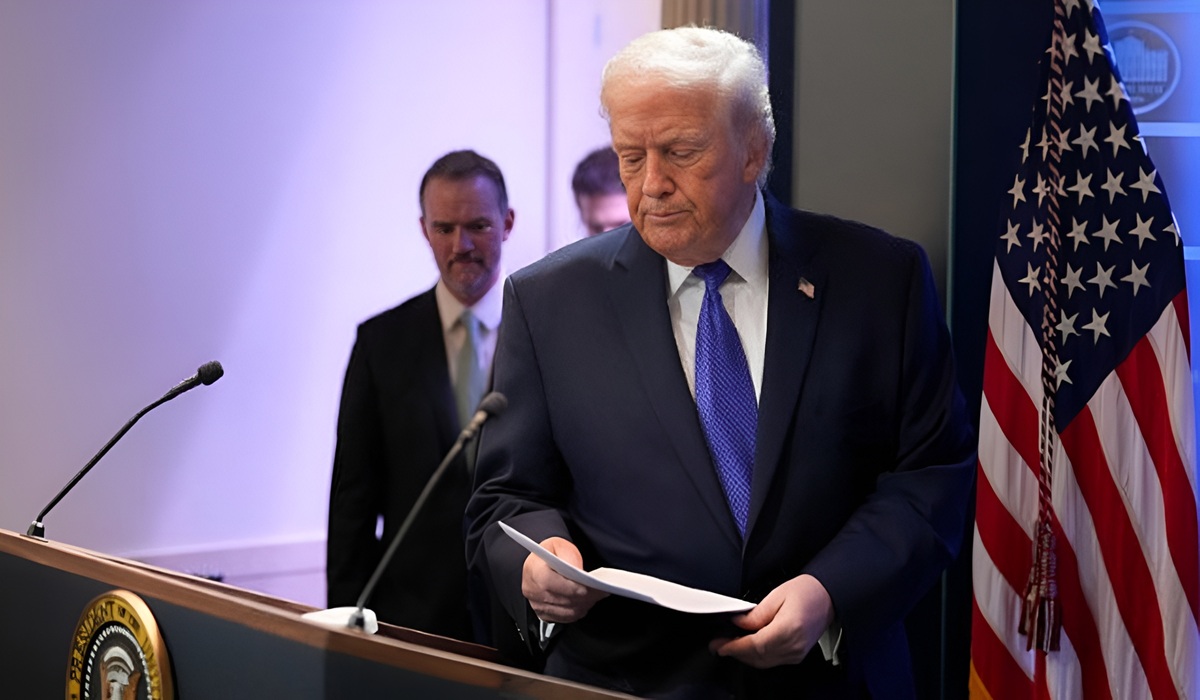
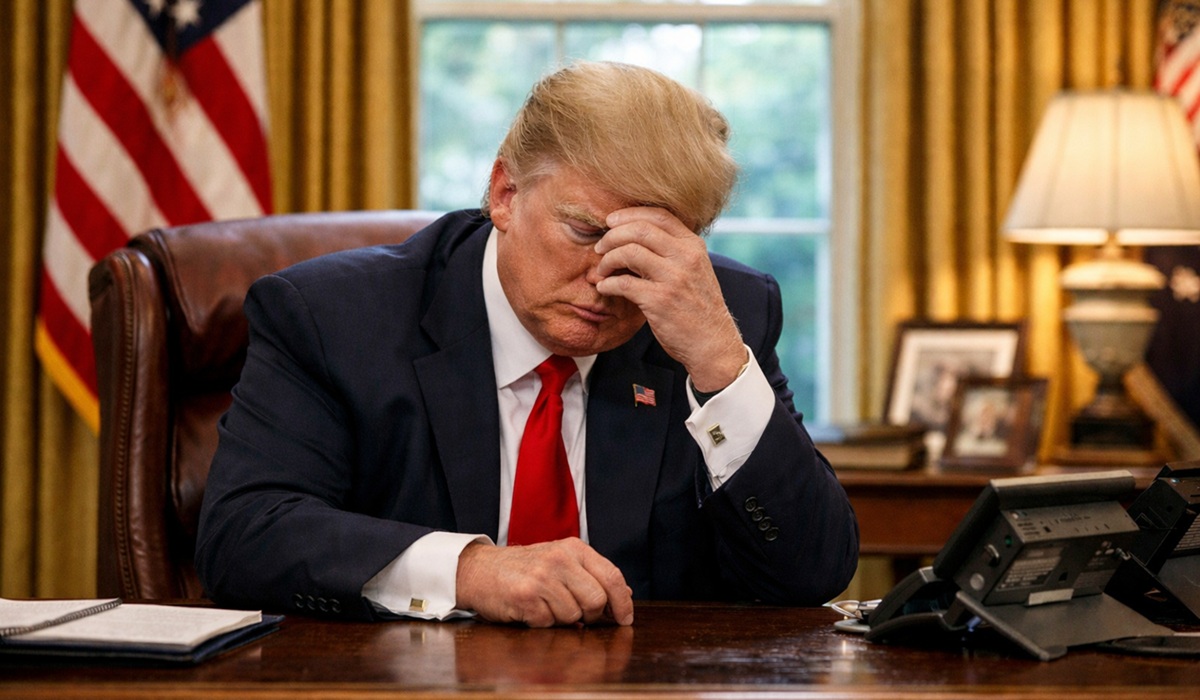
The most immediate flashpoint comes from a stunning move by the Department of Justice under President Donald Trump, which has filed criminal charges against former FBI Director James Comey over a social media post interpreted as a threat. What might once have been dismissed as political theatre has crossed into something more serious: the criminalization of speech tied to perceived political hostility. Critics are already framing it as selective enforcement, while supporters argue it reflects a zero-tolerance posture in an era of rising threats. Either way, it signals a sharp escalation in how political conflict is being handled at the federal level.
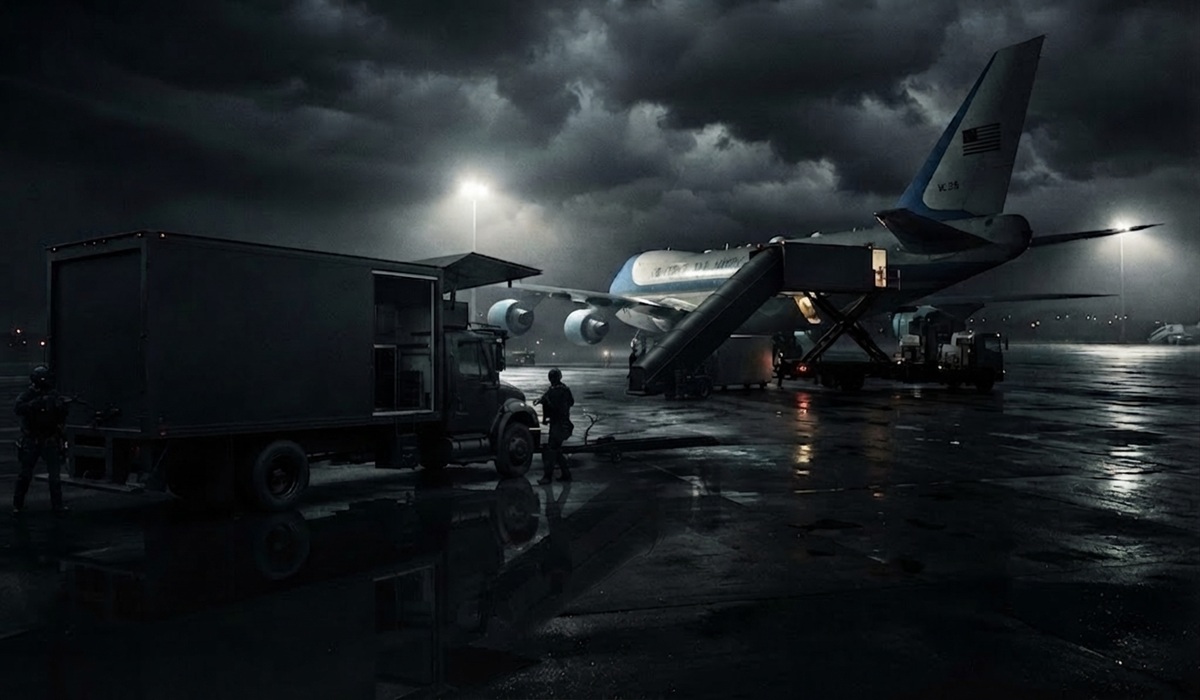
That escalation is unfolding in the shadow of a real security scare. Just days ago, a gunman came dangerously close to breaching a high-security perimeter at a major political event in Washington. He was stopped before reaching key figures, but the proximity alone has triggered a full reassessment of security protocols around high-profile gatherings. Investigators reportedly found material suggesting political motivations, raising deeper concerns about how rhetoric and real-world violence are beginning to overlap.
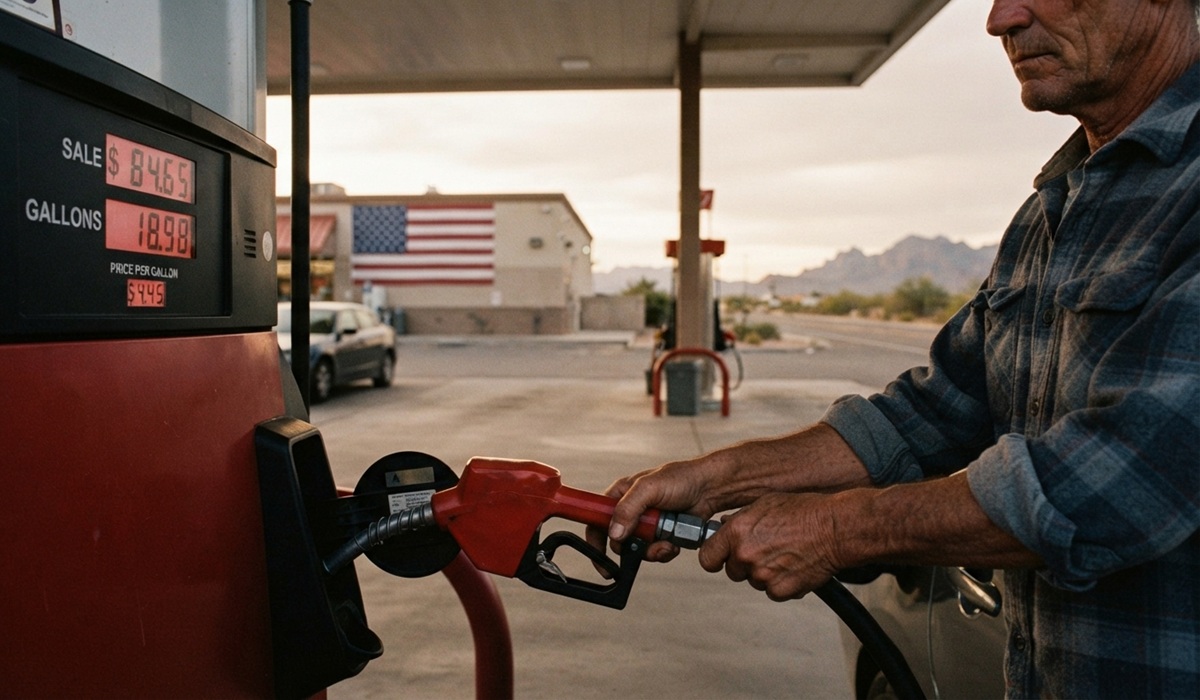
Overlaying both developments is a rapidly deteriorating economic mood that is becoming impossible for the administration to dismiss. Consumer sentiment has dropped to record lows, with Americans increasingly convinced their financial situation is worsening. Inflation, particularly tied to energy costs, is eroding confidence at a pace not seen in years. In fact, more than half of Americans now say they feel poorer, a figure that cuts across political lines and signals something deeper than typical economic cycles.
What makes this moment different is how tightly connected everything has become. The conflict involving Iran has pushed oil prices higher, which is directly hitting household budgets. That economic pressure is feeding political dissatisfaction. That dissatisfaction is intensifying rhetoric. And that rhetoric is now bleeding into legal action and security threats. It is no longer a series of isolated problems—it is a system under strain.
Inside Washington, the political consequences are already taking shape. Polling shows declining confidence not just among opposition voters, but within segments of the president’s own base. At the same time, internal instability within the administration—cabinet turnover, military leadership disputes, and policy infighting—is adding to the perception that control is slipping.
The broader issue is not whether the United States can handle any one of these pressures. It can. The question is whether it can handle all of them at once, especially when they are reinforcing each other. When legal battles begin to look political, when security threats feel personal, and when economic stress hits households daily, the margin for error shrinks dramatically.
This is not a moment defined by a single crisis. It is defined by convergence. And that convergence is what makes it dangerous.
About The Author