By: Donovan Martin Sr, Editor in Chief
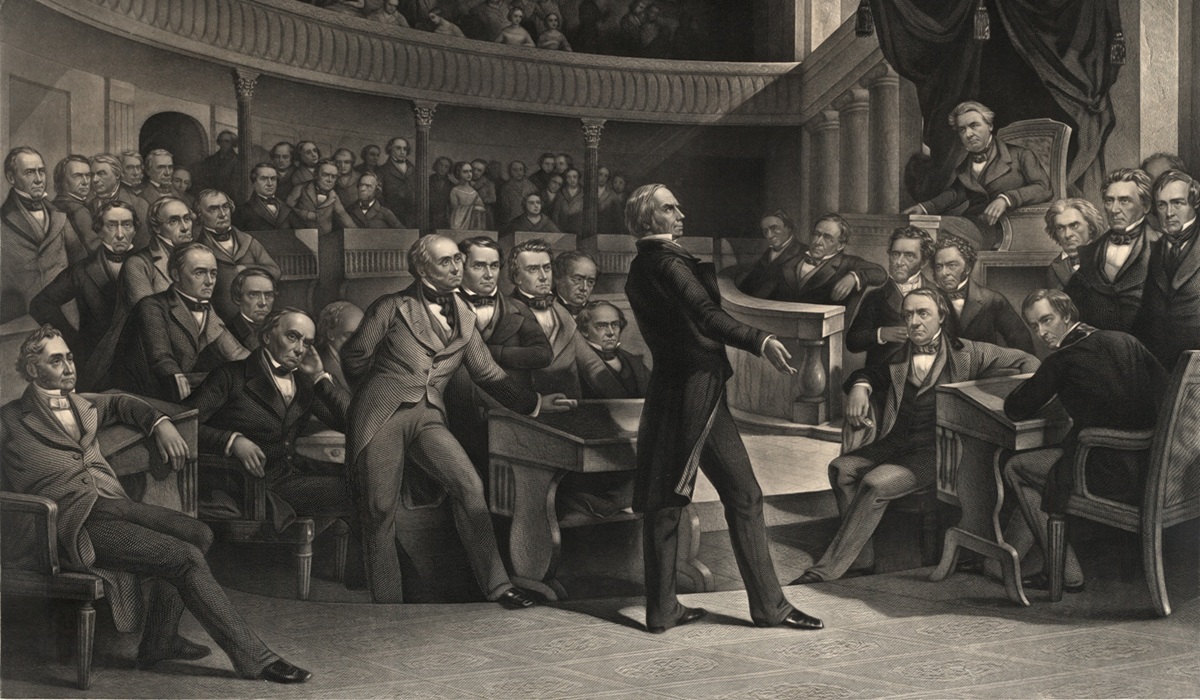
The growing controversy around how the Supreme Court of the United States handles urgent decisions is no longer just a legal debate, it is becoming a broader question about transparency, power, and public trust. What was once a quiet procedural tool has steadily moved into the spotlight as it is used more often to weigh in on major national issues.
Under normal circumstances, the court follows a structured and deliberate process. Cases move through lower courts, both sides submit detailed arguments, oral hearings take place, and the justices eventually release a full written opinion explaining how and why they reached their decision. That process takes time, but it is designed to ensure clarity and accountability.
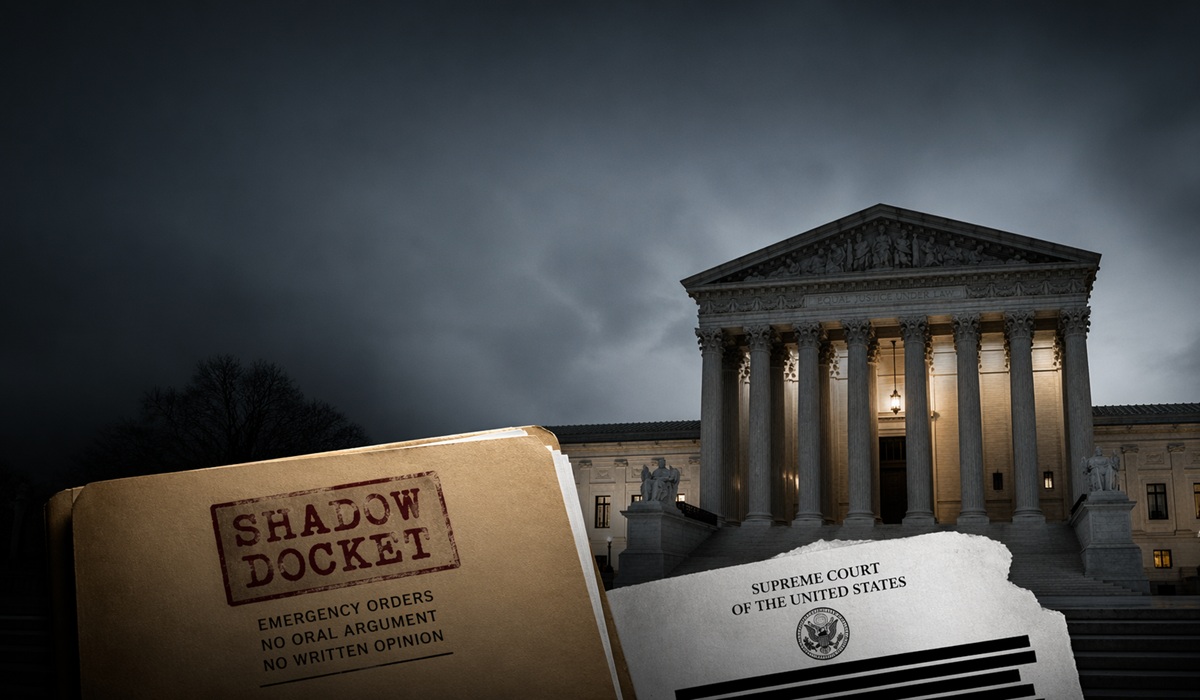
There is, however, a separate track for urgent matters, often referred to as the “shadow docket.” In these situations, the court can act quickly, sometimes within days, to either pause or allow a policy while legal challenges continue elsewhere. These decisions are typically short, often unsigned, and may not include a detailed explanation. For decades, this approach was used sparingly, mostly in time-sensitive cases such as last-minute appeals involving the death penalty. What has changed is how frequently this fast-track process is now being used in cases with far wider consequences.
A turning point came in 2016 when the court, led by Chief Justice John Roberts, intervened to halt the Obama administration’s Clean Power Plan before lower courts had finished reviewing it. The decision arrived without the kind of detailed reasoning usually expected in a case of that scale, effectively freezing a major climate policy at an early stage. That move signaled a shift, showing the court was willing to step in earlier and more aggressively when asked.
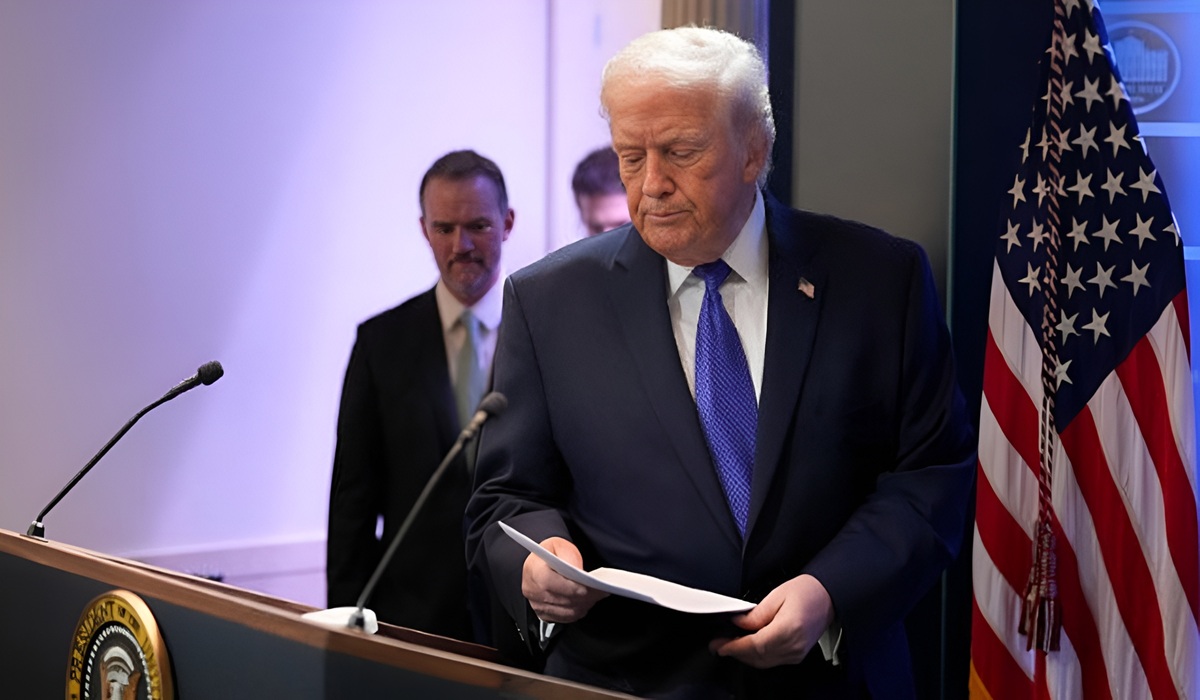
In the years that followed, administrations began leaning on this process more heavily. During the presidency of Donald Trump, the court was repeatedly asked to make quick decisions on issues ranging from immigration to military policy. In several instances, contested policies were allowed to take effect while lawsuits were still unfolding, meaning the impact was felt long before a final ruling was ever issued. That trend has raised concerns inside and outside the legal system.
Justice Ketanji Brown Jackson has pointed out that when she worked at the court earlier in her career, emergency decisions were rare and narrowly focused. Today, she argues, they are being used in ways that can influence the lives of millions without the level of explanation people have come to expect from the highest court. Her concern is rooted in the idea that when decisions are made quickly and without detailed reasoning, it becomes harder to understand how the law is being applied.
At the same time, some of the more dramatic claims circulating online do not fully reflect reality. These rulings are not hidden from the public. They are published, even if they are brief, and in many recent cases individual justices have added written opinions to explain their positions. The process is less transparent than a full ruling, but it is not invisible. The increase in these rapid decisions is tied to broader changes in how government and the courts interact.
Lower courts are now more likely to issue nationwide rulings that can block federal policies entirely. When that happens, administrations often turn to the Supreme Court for immediate relief, arguing that delays could disrupt government operations or create uncertainty. That pressure pushes the court to act faster than it traditionally would.
There is also the reality that modern policy moves quickly. Decisions made in Washington can have immediate consequences across the country, and waiting years for a final ruling can make a decision irrelevant by the time it arrives. Acting quickly can provide clarity in the short term, but it can also leave important legal questions only partially answered. Whether this represents a dangerous precedent is still being debated, but the concerns are not trivial.
When major decisions are made without detailed explanations, it becomes harder for lower courts to apply consistent standards in future cases. It also raises questions about accountability, because the public is left with fewer answers about how those decisions were reached. The authority of the court depends heavily on its ability to explain itself, and when that explanation is limited, confidence can begin to erode.
Supporters of the current approach argue that the court is simply responding to a faster and more aggressive legal environment. They contend that stepping in quickly can prevent confusion and ensure that federal policies are not stalled indefinitely by conflicting lower court rulings.
There is no simple fix. This process is part of the court’s authority, and there is no external body that can easily change how it operates. The justices themselves would have to adjust how and when they use it, either by limiting its scope or by providing more detailed explanations when they act.
What is clear is that this once-quiet mechanism, now widely known as the shadow docket, is shaping real-world outcomes in ways that are impossible to ignore. The debate is no longer about whether it exists, but about how far it should go and what it ultimately means for judicial transparency in the United States.
About The Author