United States: A Superpower Balancing Control, Influence, and Internal Strain
- Naomi Dela Cruz
- U.S.A
- April 23, 2026

Image Credit: Anourack Chinyavong
The United States continues to operate at the center of global affairs, but the nature of that role is shifting in ways that are both deliberate and reactive. This is not a period defined by a single conflict or policy, but by a convergence of pressures that are forcing the country to recalibrate how it projects power and manages influence.
Internationally, the United States is walking a fine line between engagement and escalation. Tensions in the Middle East remain volatile, with ceasefires and negotiations often appearing fragile and temporary. The country’s involvement is both stabilizing and complicating, as it seeks to manage alliances while deterring adversaries. This dual role creates a constant balancing act, where every move is scrutinized not only by rivals but also by partners who are watching closely for signs of consistency or hesitation.
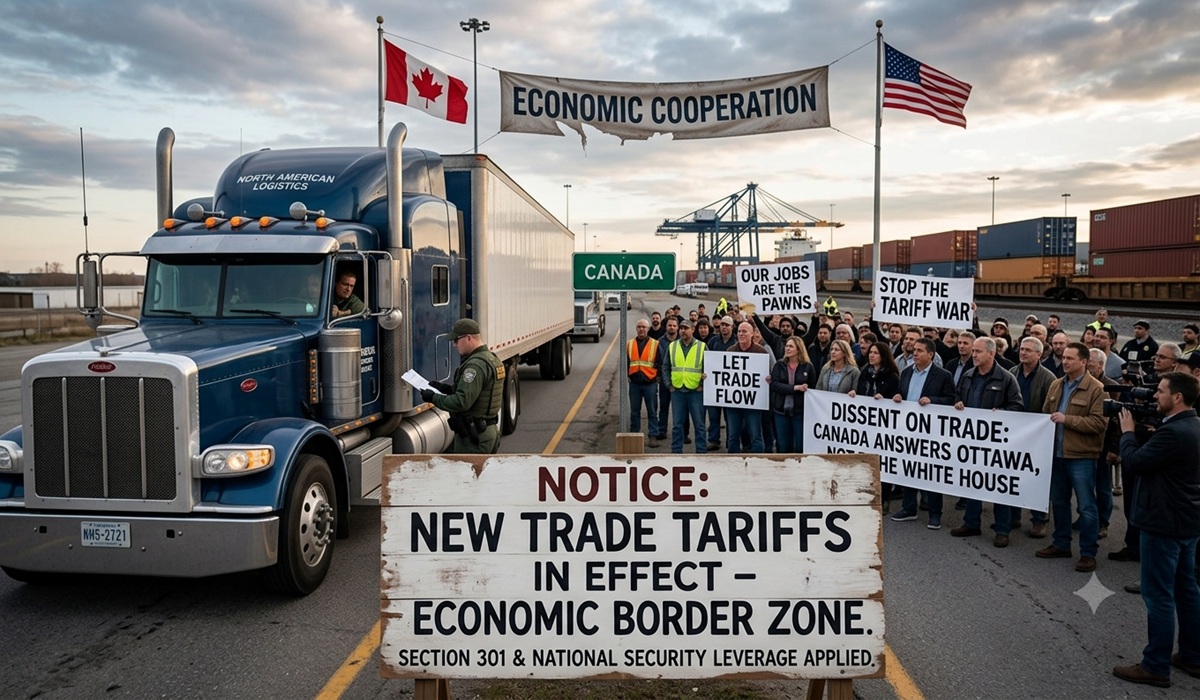
Closer to home, there has been a renewed focus on strengthening relationships within the Western Hemisphere. Efforts to deepen economic and security ties with neighboring regions reflect an understanding that influence is not just about global reach, but about regional stability. This approach is as much about countering external competitors as it is about reinforcing longstanding partnerships that have, at times, been taken for granted.
Domestically, the political climate remains intensely charged, with divisions shaping nearly every major decision. Debates over spending, taxation, military priorities, and technological regulation are not just policy disagreements, but reflections of deeper ideological divides. At the same time, there is a growing intersection between government and the technology sector, with leaders who have deep ties to innovation influencing how policy is crafted. This is changing the way the country approaches everything from economic growth to national security.
The economic outlook remains strong in relative terms, but it is not without challenges. Inflationary pressures, evolving supply chains, and shifting global trade patterns are all contributing to an environment where growth is possible, but not guaranteed. Businesses and consumers alike are navigating a landscape that feels both resilient and uncertain, with opportunities often accompanied by significant risks.
The United States today is projecting strength, but that strength is being tested by complexity. It is a nation that continues to shape global outcomes, yet is increasingly aware that its actions carry consequences that extend far beyond its borders. This is a moment where leadership requires not just power, but precision, and the ability to adapt quickly to a world that is constantly in motion.
About The Author