White House Correspondents’ Dinner Shooting: New Details Raise Hard Questions About Security and Motive
- Xuemei Pal
- U.S.A
- April 27, 2026
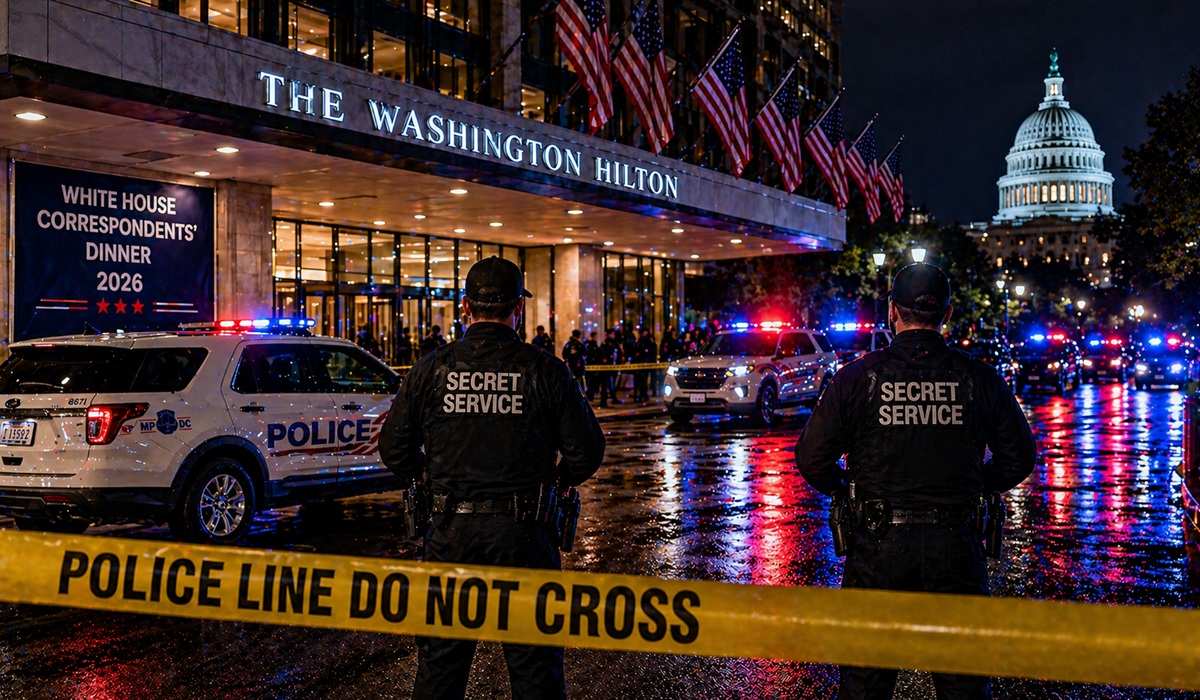
What initially appeared to be a contained security breach is now unfolding into something far more complex, as investigators continue to piece together how a heavily armed individual came within reach of one of the most tightly protected events in Washington.
Authorities have now confirmed that the suspect, a 31-year-old man from California, did not arrive at the White House Correspondents’ Dinner fully assembled in the way early reports suggested. Instead, investigators believe he exploited a gap in pre-event screening by bringing components of his weapon into the hotel separately and assembling at least part of it inside the venue. That detail has shifted the focus of the investigation from simply how he approached the checkpoint to how he was able to operate undetected within the building before the shooting began.
Law enforcement sources now indicate the suspect had been inside the Washington Hilton for a measurable period of time before initiating the breach attempt. Surveillance footage reportedly shows him moving through secondary corridors and service-access areas, raising serious concerns about internal security layering. These are areas typically controlled but not always subjected to the same intensity of screening as primary guest entry points, particularly during high-volume events.
The timeline has also been refined. The first shot was fired moments after the suspect encountered resistance at a restricted checkpoint just outside the main ballroom corridor. The response from the United States Secret Service was immediate and forceful, with agents neutralizing the threat within seconds. Officials now say that response window, estimated at under ten seconds, likely prevented mass casualties. The officer struck during the exchange has since been reported in stable condition and is expected to recover, reinforcing how close the situation came to becoming far more deadly.
Inside the ballroom, where hundreds had gathered, panic was not immediate but built in waves. Several attendees have since described hearing what they initially thought were dropped objects or equipment malfunctions before recognizing the unmistakable sound of gunfire. The delay in recognition is now being examined as part of the evacuation analysis, as officials review whether communication protocols inside the venue were sufficient to trigger faster protective actions.
Investigators are now digging deeper into motive, and the picture remains unsettled. What has emerged is that the suspect left behind a series of handwritten notes and digital communications that point to a blend of political grievance, personal instability, and a desire for notoriety. Sources familiar with the investigation describe the writings as inconsistent and at times incoherent, lacking a clear ideological framework but repeatedly referencing government distrust and perceived personal injustices. That combination has led officials to stop short of labeling the act as purely political or purely personal, instead treating it as a hybrid case that reflects broader concerns about radicalization without structure.
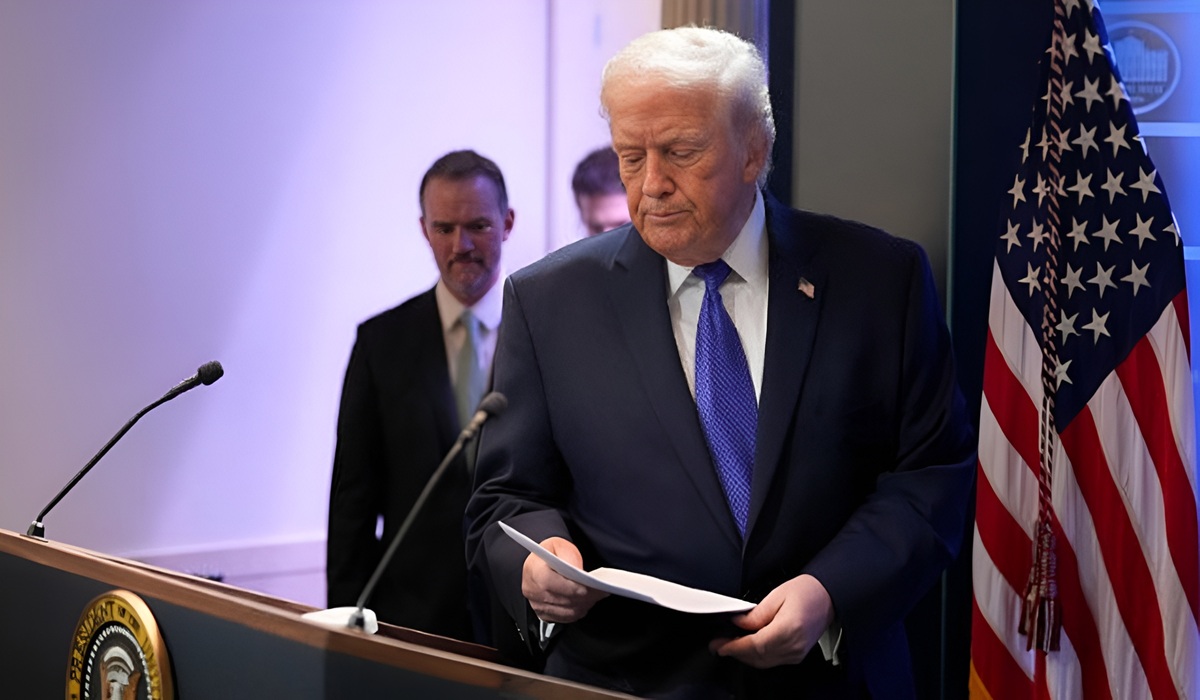
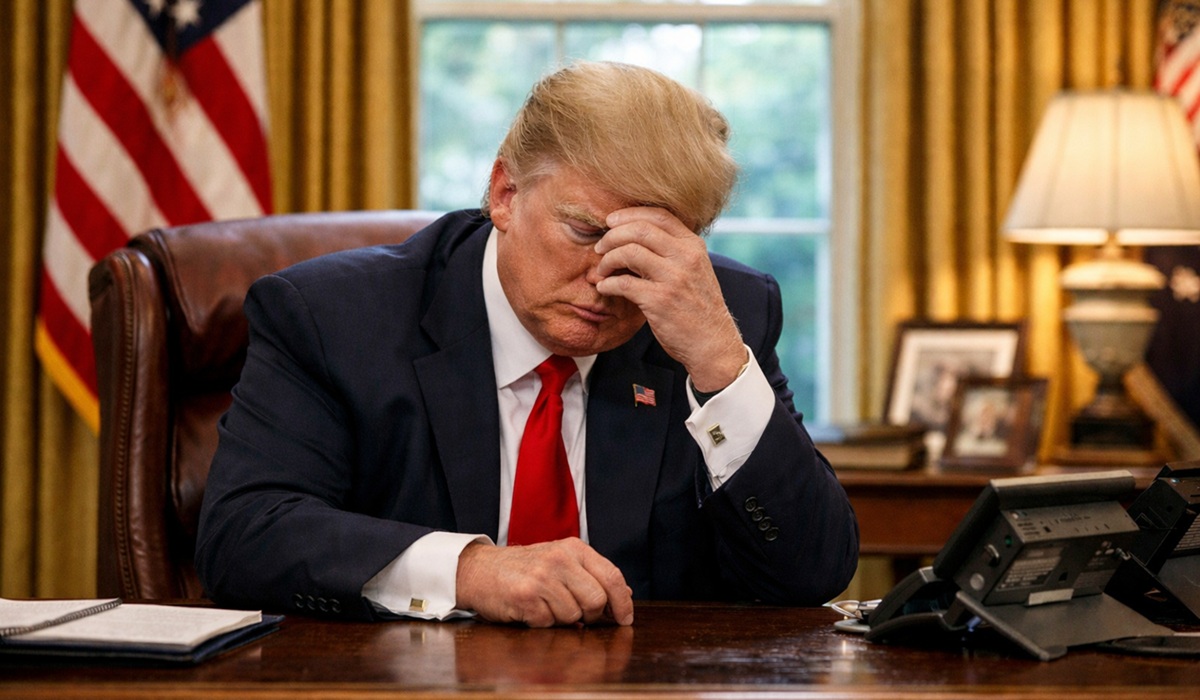
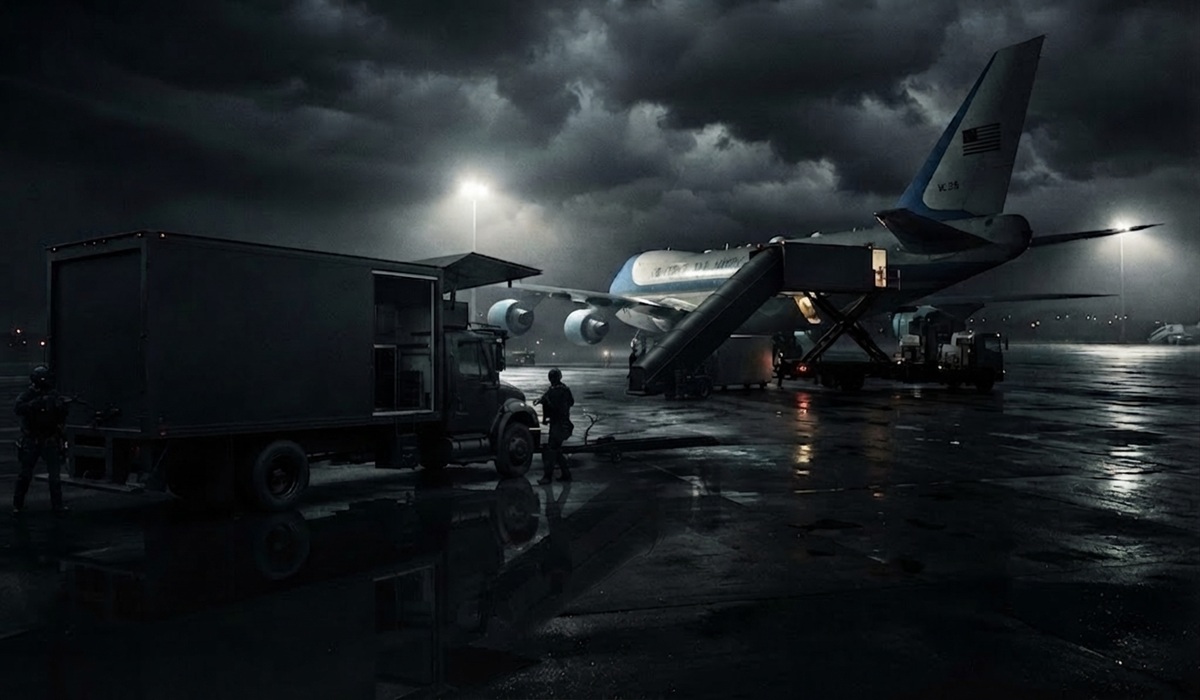
President Donald Trump was moved from the venue within moments of the first confirmed threat, following established emergency protocols. In his later remarks, he emphasized the speed of the response and credited security personnel with preventing what could have been a catastrophic attack. Behind the scenes, however, federal agencies have already begun a comprehensive review of how such an individual managed to penetrate multiple layers of what is typically one of the most secure civilian events in the country.
One of the most significant developments in the investigation is the growing scrutiny of credentialing and access control. Early findings suggest the suspect may have used falsified or repurposed credentials to gain initial entry into parts of the building. While not confirmed publicly, this line of inquiry is now central to understanding how the inner security perimeter was approached. If validated, it would represent not just a procedural lapse, but a systemic vulnerability in how large-scale events vet and track movement within secured spaces.
The aftermath has also exposed a quieter but equally important issue. Several staff members and volunteers who were working the event have come forward describing inconsistent instructions and limited awareness of emergency protocols. While high-level security response functioned as designed, the human layer beneath it appears to have been less coordinated. That gap is now being examined as part of a broader reassessment of event preparedness, particularly for gatherings that blend public access with high-level political attendance.
Beyond the technical failures and rapid response, the incident is forcing a deeper conversation about the environment in which it occurred. The White House Correspondents’ Dinner has long been framed as a symbol of institutional continuity, where political tension is temporarily set aside in favor of tradition and visibility. That perception has now been disrupted in a way that cannot easily be restored. The breach did not just expose vulnerabilities in security. It exposed the reality that no environment, no matter how controlled, is insulated from the broader climate of tension that continues to build across the country.
As of now, the suspect remains in federal custody, undergoing both criminal processing and psychological evaluation. Additional charges are expected as investigators continue to analyze evidence, including digital records that may provide further clarity on intent and planning. Officials have not ruled out the possibility that more information could shift the understanding of motive, particularly as forensic analysis of devices and communications continues.
What is clear at this stage is that the incident was not the result of a single failure, but a convergence of small gaps that, when combined, created an opening. The response closed that opening quickly, but not before it revealed how fragile even the most carefully constructed systems can be under pressure.
The investigation is ongoing, but the conclusions are already beginning to form. This was a near miss, not an isolated anomaly, and the changes that follow will likely reshape how high-profile events in Washington are secured for years to come.
About The Author