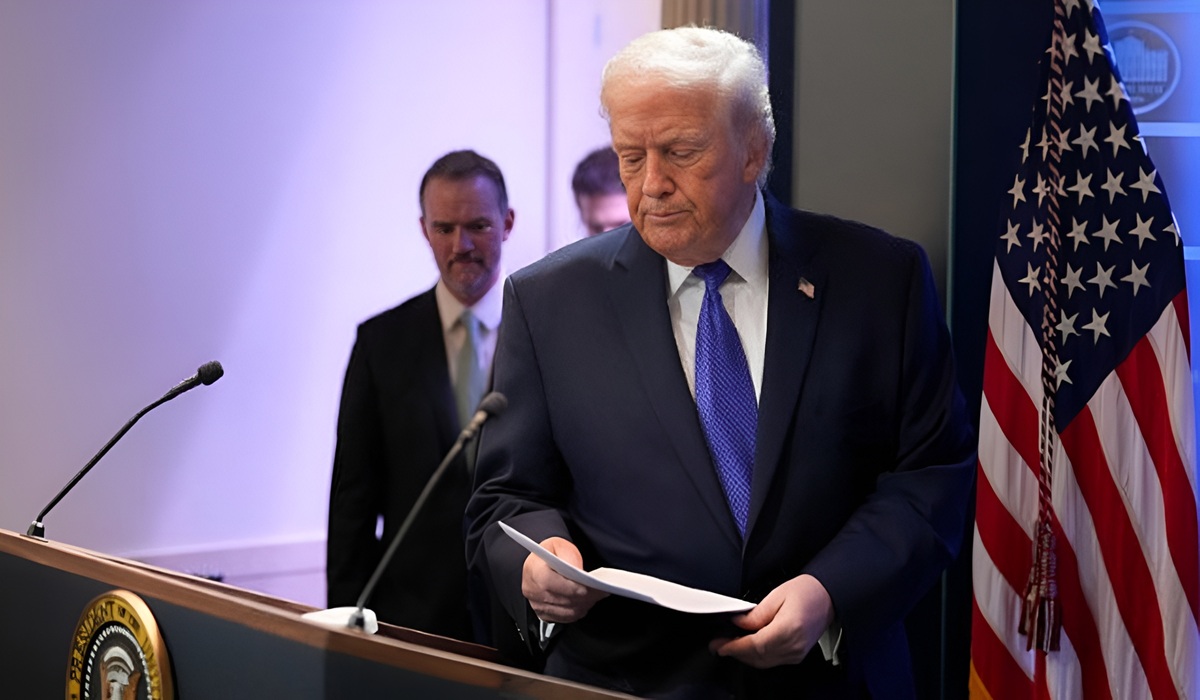
What is unfolding between Donald Trump and Iran is not a straightforward conflict. It is a situation defined by contradiction, where diplomacy and escalation are happening at the same time, creating a level of uncertainty that is as dangerous as any direct confrontation.
On one side, there are public statements claiming that a ceasefire is in place and that negotiations are ongoing. Trump has framed this as a strategic pause, an opportunity to reach a deal that could stabilize the region. On the other side, there are directives and actions that move in the opposite direction, increasing the risk of immediate conflict.
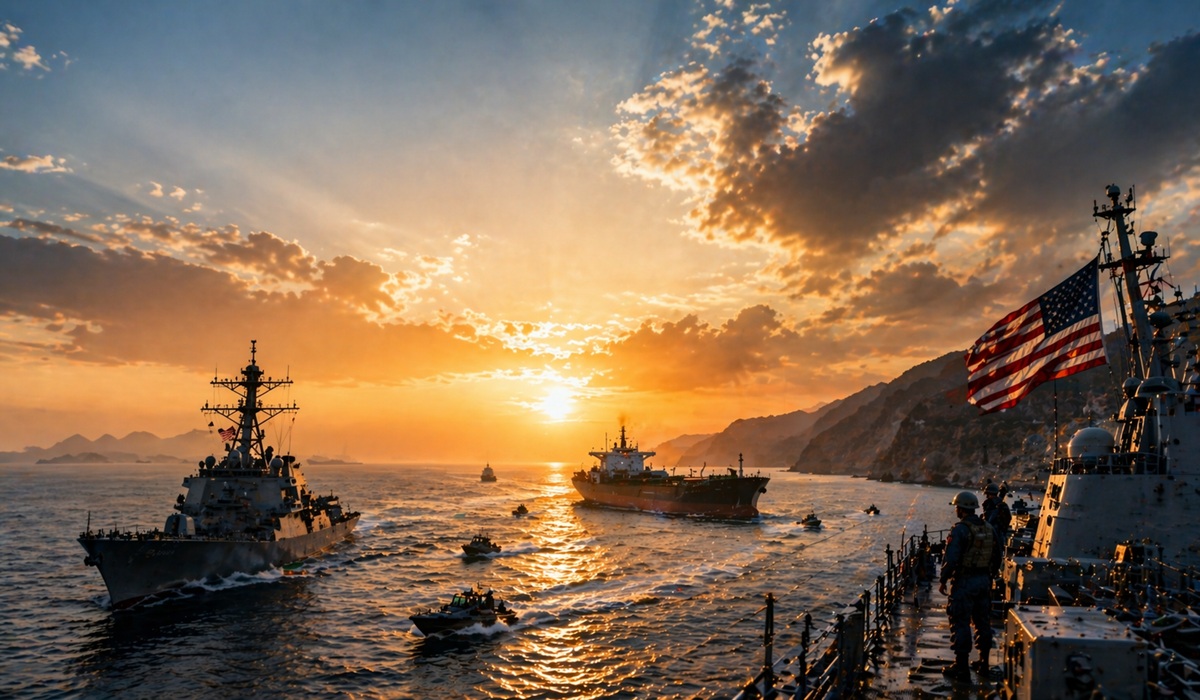
The most striking example is the situation in the Strait of Hormuz, one of the most critical shipping lanes in the world. Trump has reportedly authorized aggressive naval rules of engagement, including the use of force against Iranian vessels suspected of threatening maritime security. This is not a symbolic move. It is an operational shift that places U.S. and Iranian forces in close proximity under highly volatile conditions.
At the same time, Iran has responded with its own measures, including the interception and seizure of commercial vessels. Each action is framed as defensive, but together they create a cycle of escalation that is difficult to control. A single miscalculation could trigger a broader conflict.
The contradiction extends to messaging. Public communications have alternated between calls for negotiation and threats of overwhelming force. One moment suggests a path toward de-escalation, while the next reinforces the possibility of direct military action. This inconsistency is not just rhetorical. It has real-world implications for how both allies and adversaries interpret U.S. intentions.
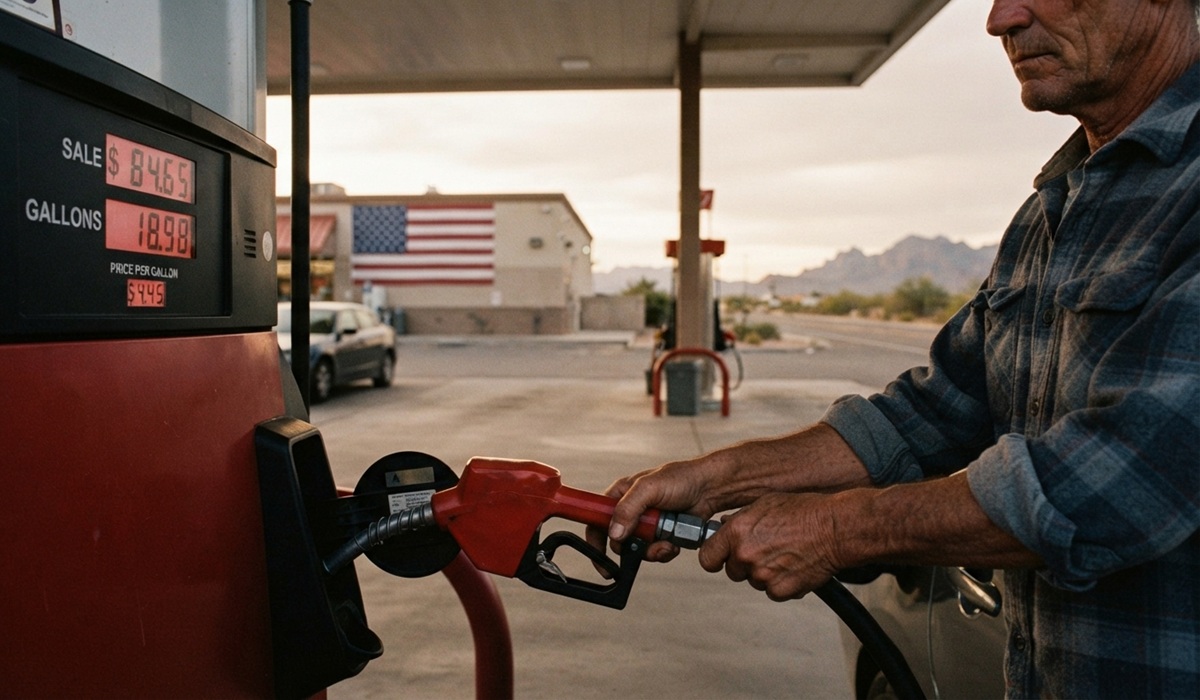
The economic impact is already being felt. The Strait of Hormuz is a critical artery for global oil shipments, and any disruption has immediate consequences for energy markets. Prices have begun to rise, reflecting the increased risk of supply interruptions. This is not a distant concern. It affects everything from transportation costs to the price of goods.
What makes this situation particularly volatile is the lack of a clear trajectory. In most conflicts, there is a discernible direction, whether toward escalation or resolution. Here, both are happening simultaneously. Negotiations continue even as military readiness increases. Diplomatic language is used alongside operational directives that suggest preparation for conflict.
This is not a stable equilibrium. It is a fragile balance that depends on restraint from both sides at a moment when signals are mixed and intentions are unclear. The risk is not just that conflict could occur, but that it could occur without warning, triggered by an event that neither side initially intended to escalate.
The world is watching a situation where the lines between peace and conflict are blurred. It is not just about what is being said, but about what is being done. Right now, those two things are not aligned, and that misalignment is where the danger lies.
About The Author