Harnessing the Winds of Change on China Three Gorges Wind Power Projects in Pakistan
- Naveed Aman Khan
- Pinpoint
- Tiger's Eye Advisory Group - Trending News
- April 24, 2026
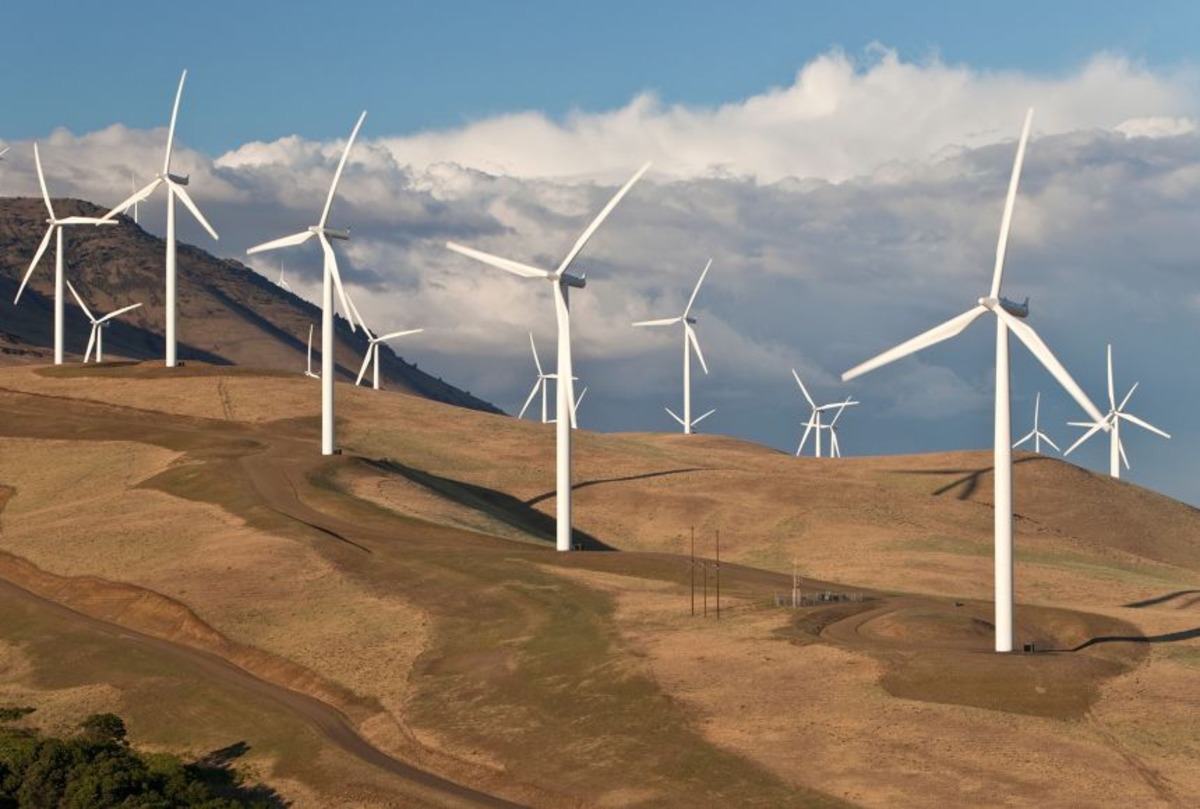
Energy security has long been one of Pakistan’s most pressing challenges, constraining economic growth, industrial productivity, and social development. In this context, renewable energy has emerged not merely as an alternative but as a strategic necessity. Among the most notable contributions in this domain are the three wind power projects established by China Three Gorges in the Jhimpir–Thatha wind corridor. Each of these projects generates 49.5 megawatts (MW) of electricity, collectively contributing 148.5 MW significantly to Pakistan’s national grid offering a sustainable pathway toward energy resilience. These three “China Three Gorges” Wind Mills projects are developed on a Build Own Operate (BOO) basis.
The three projects — Three Gorges First (TGF), Three Gorges Second (TGS), and Three Gorges Third (TGT) — share a uniform technical design. Each facility comprises 33 wind turbines, with every turbine capable of producing 1.5 MW of electricity. This results in a total installed capacity of 49.5 MW per project. The distance between these installations of the three projects is approximately three kilometers, reflecting a strategically clustered layout that enhances operational efficiency and reduces transmission complexities.
The First Wind Farm (TGF) started construction work in January 2013 and achieved its commercial operations in November 2014. The construction period was 24 months but the project was completed within 22 months’ time marking an early milestone in Pakistan’s renewable energy journey. With a capacity factor of around 32 percent, these plants demonstrate a commendable level of efficiency, aligning with global benchmarks for wind energy performance. The (TGF) generates approximately 138.7 Gigawatt-hours (GWh) annually, supplying electricity to hundreds of thousands households contributing to national energy stability. The Three Gorges Second (TGS) and Three Gorges Third (TGT) started construction work in March 2017 and achieved its commercial operations in June 2018. The construction period was 18 months but the project was completed within 15 months’ time. It contains Gold wind turbines 1.5 MW each with total installed capacity of 99 MW. With a capacity factor of 35 percent, the targeted generation is 151.8 GWh per year for TGS and TGT each.
One of the most significant strengths of these projects lies in their in-house operation and maintenance (O&M) capabilities. China Three Gorges has not only deployed advanced technology but has also invested in training local human resources. This has led to the development of indigenous technical expertise, reducing reliance on external support and fostering long-term sustainability in plant operations. The effective operational lifespan of these projects is estimated at 20 years, ensuring a stable energy supply over an extended period.
Economically, these wind power projects hold substantial importance. While the exact cost of each project may vary depending on financing structures and infrastructure components, their broader economic impact is undeniable. By reducing dependence on imported fossil fuels, these projects help conserve foreign exchange reserves and stabilize energy prices. Furthermore, the use of wind energy significantly lowers carbon emissions, contributing to Pakistan’s commitments under global climate frameworks.
Geographically, the Jhimpir–Thatha region has proven to be an ideal location for Wind Energy generation due to its consistent wind speeds and favorable climatic conditions. This area is now recognized as a key component of Pakistan’s Wind Corridor, with considerable potential for future expansion. The success of the Three Gorges projects has set a precedent, encouraging further investment in renewable energy infrastructure across the country.
However, the transition to Wind Energy is not without its challenges. The intermittent nature of wind poses difficulties in maintaining a stable energy supply, necessitating advanced grid management systems and energy storage solutions. Additionally, the high upfront capital investment required for such projects can be a barrier, particularly for developing economies with constrained financial resources.
Despite these challenges, the overall success of the China Three Gorges Wind Power projects stand as a testament to the viability of renewable energy in Pakistan. They represent a forward-looking approach that integrates technological innovation, environmental responsibility, and economic pragmatism. These projects not only address immediate energy needs but also lay the groundwork for a more sustainable and self-reliant energy future.
The Three Gorges Wind Farms are more than just power generation units; they are symbols of transformation. They reflect a strategic shift toward clean energy, a commitment to environmental stewardship, and a vision for long-term national resilience. If Pakistan continues to build on this momentum by expanding its renewable energy portfolio including solar and hydropower, it can move decisively toward energy independence and sustainable development in the years ahead.
About The Author