Pakistan at the Diplomatic Pinnacle: Hosting US–Iran Talks Marks a Strategic Breakthrough
- Naveed Aman Khan
- Pinpoint
- April 20, 2026
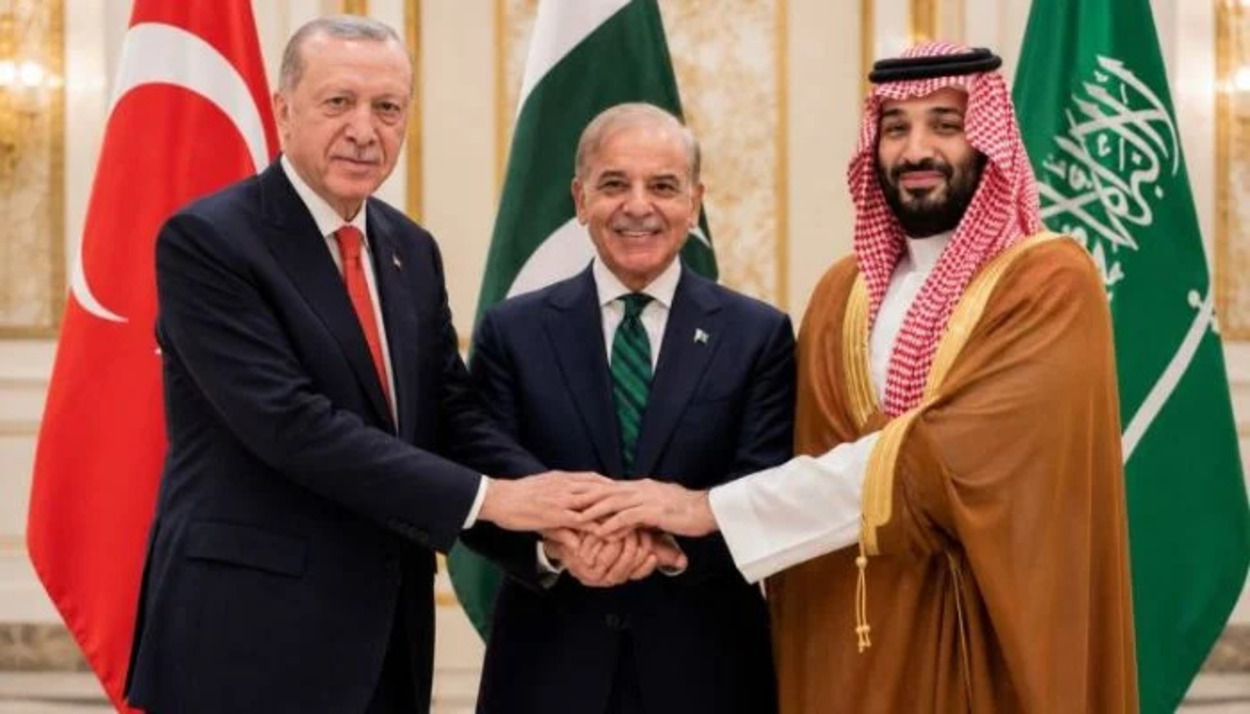
Against the backdrop of heightened tensions following the US–Israel–Iran conflict, Pakistan’s recent diplomatic maneuvers signal a carefully orchestrated and forward-looking strategy to position itself as a credible mediator in one of the world’s most volatile geopolitical crises. Prime Minister Shehbaz Sharif’s high-level visits to Saudi Arabia, Qatar, and Türkiye, coupled with Field Marshal Asim Munir’s direct engagements with Iran, reflect a coordinated effort by Islamabad to play a constructive and stabilizing role. At a time when US–Iran tensions threatened not only the Middle East but the broader global order, Pakistan’s balanced and responsible diplomacy has drawn significant international attention.
Pakistan now stands at a historic juncture as it prepares to host potential peace negotiations between the United States and Iran. Should these talks succeed, the signing of an agreement between US President Donald Trump and Iranian President Masoud Pezeshkian would mark a transformative moment in contemporary geopolitics. The anticipated presence of global leaders—including the UN Secretary-General and representatives from Saudi Arabia, Qatar, Turkiye, the United Kingdom, France, China, and Russia—underscores the magnitude of this development. This would not merely be a ceremonial gathering, but the foundation of a deal capable of reshaping political and economic trajectories for decades.
Islamabad’s close coordination with key regional players such as Saudi Arabia, Iran, Qatar, and Turkiye highlights its proactive approach to fostering consensus within the Muslim world. Pakistan’s outreach suggests the emergence of a broader regional alignment aimed at stability and conflict resolution. Notably, direct military-to-military communication with Iran reflects Islamabad’s seriousness and operational commitment. These initiatives are neither symbolic nor superficial; they form part of a comprehensive diplomatic framework designed to de-escalate tensions and promote sustainable peace.
At the heart of Pakistan’s diplomatic strength lies its ability to maintain a delicate balance. While it shares longstanding strategic ties with the United States, it also enjoys deep historical, geographical, and cultural connections with Iran. This dual engagement positions Pakistan uniquely as a bridge capable of facilitating trust between two adversarial powers. Quiet diplomacy, backchannel communications, and efforts to transform temporary ceasefires into lasting peace all indicate that the international community increasingly recognizes Pakistan’s constructive role.
The potential lifting of sanctions on Iran would have far-reaching implications, particularly for Pakistan’s economy. One of the most significant prospects is the revival of the long-stalled Iran–Pakistan gas pipeline project, which could substantially alleviate Pakistan’s energy crisis by ensuring a stable and affordable supply of natural gas. Furthermore, expanded trade with Iran would stimulate economic activity in border regions, boost industrial output, and enhance regional connectivity. Access to lower-cost Iranian oil could also ease inflationary pressures, providing much-needed relief to ordinary citizens.
Reinvigorated economic ties with Iran would open pathways for Pakistan to access Central Asian markets, creating new opportunities for trade and investment. In this context, a stable and economically integrated Iran could serve as a complementary pillar to the China-Pakistan Economic Corridor (CPEC), strengthening Pakistan’s position as a regional trade hub.
Globally, the stakes of US–Iran tensions remain exceptionally high. Any escalation risks disrupting the Strait of Hormuz, a critical artery for global oil supplies. Such disruption would likely trigger spikes in energy prices, fueling inflation and economic instability worldwide. Instability within Iran could also have spillover effects on neighboring countries, particularly Afghanistan and Pakistan, exacerbating border security challenges, refugee flows, and the activities of non-state actors.
Conversely, a reduction in tensions between Washington and Tehran could yield positive ripple effects across the Middle East and beyond. It may help ease proxy conflicts and create a more conducive environment for addressing longstanding disputes, including those in Lebanon and Palestine. While these conflicts are deeply complex, a de-escalatory climate would at least open diplomatic avenues for progress.
For Pakistan, success in facilitating this process would represent a major diplomatic achievement. It would enhance the country’s global standing, increase its influence in international forums, and strengthen its relationships with major powers. Improved ties with Iran would also reinforce Pakistan’s strategic position in the Afghan context, where regional cooperation remains essential for sustainable peace. In a region where confrontation often defines policy, Pakistan’s emphasis on dialogue, balance, and reconciliation distinguishes it as a responsible and peace-oriented state. This approach not only enhances its diplomatic credibility but also grants it a unique strategic advantage.
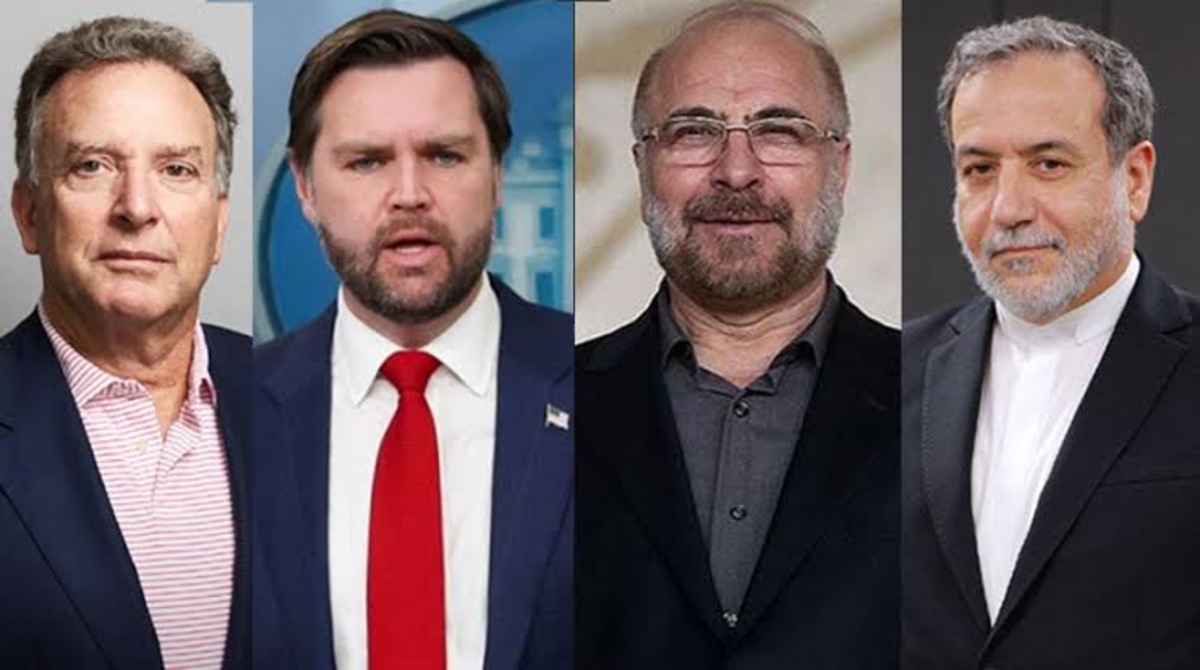
The second-stage US negotiating team will be represented by Netanyahu confidants Steve Witkoff and Jared Kushner. US Vice President JD Vance, who led the first-stage talks, will not be part of the delegation. In JD Vance’s absence, the US delegation is not in line with the conciliatory mood, so a positive breakthrough would be a big news. It seems that the two US negotiators will sabotage the negotiation process.
The convergence of factors—potential sanctions relief for Iran, revival of energy projects, expanded trade, and strengthened regional connectivity—has the capacity to transform the geopolitical and economic landscape. A successful US–Iran peace agreement would not only reduce global tensions but also stabilize energy markets and pave the way for resolving other entrenched conflicts. While the path to peace is fraught with challenges, Pakistan’s proactive, balanced, and visionary diplomacy demonstrates that even in the most complex circumstances, constructive engagement and regional cooperation can lay the foundation for lasting stability and shared prosperity.
About The Author