How T – Flow Prints Safety-Driven Job Site Signs That Keep Projects Moving
- T Flow Printing & Signage
- Western Canada
- April 20, 2026
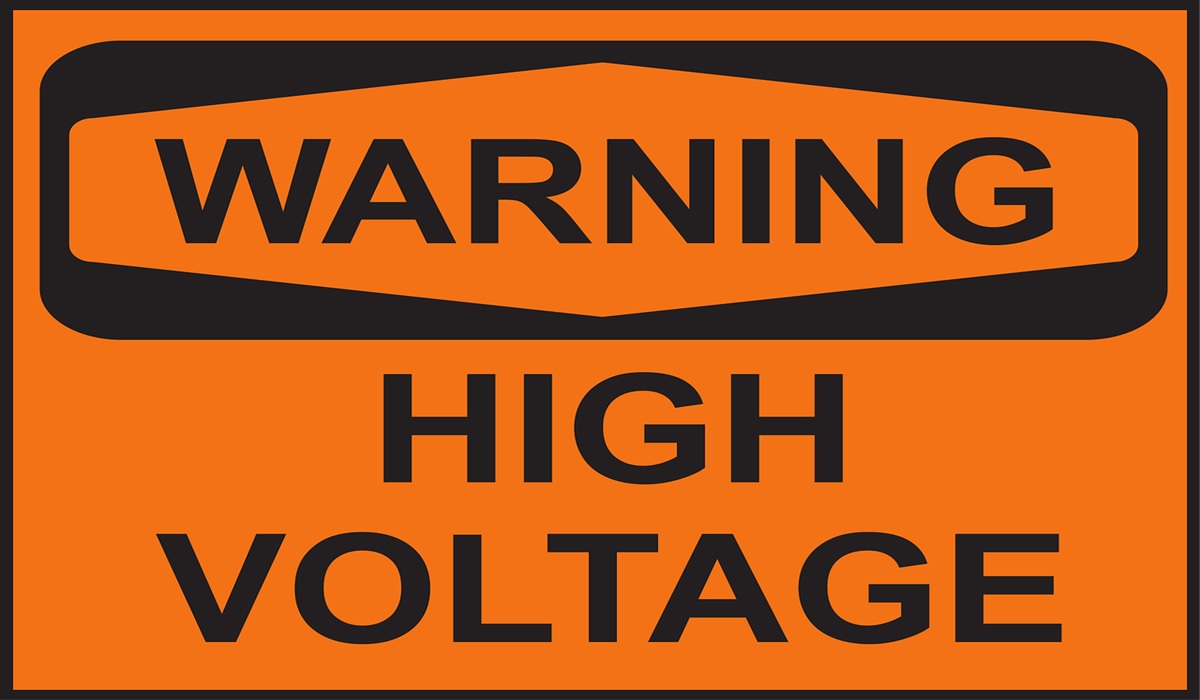
Walk onto any active job site and one thing becomes immediately clear: movement is constant. Crews are shifting, equipment is operating, materials are being delivered, and timelines are always pressing forward. In that environment, confusion is not just inconvenient, it is dangerous. Safety-driven job site signs are not decorative pieces or afterthoughts. They are the silent system that keeps everything aligned, organized, and most importantly, safe.
When signage is done right, it does more than warn. It directs behavior. It reduces hesitation. It ensures that every worker, contractor, and visitor understands exactly where they are supposed to be and what they are supposed to do. That level of clarity is what keeps projects moving instead of stalling under the weight of preventable mistakes.
The reality is that most delays on job sites are not caused by a lack of effort. They are caused by breakdowns in communication. A worker enters the wrong zone, a vehicle takes an unsafe path, or someone misses a critical hazard. Each of these moments can bring progress to a halt. Proper signage eliminates that uncertainty before it even has a chance to appear. Clear, visible messaging ensures that everyone is operating from the same understanding, even in high-pressure situations.
Safety signage also plays a crucial role in setting the tone of a site from the moment someone arrives. The entrance is where expectations are established. Signs that clearly outline required personal protective equipment, restricted areas, and site rules immediately communicate that safety is not optional. This kind of first impression does more than protect people. It reinforces accountability across the entire operation.
On busy sites where multiple contractors are working simultaneously, signage becomes even more essential. Not everyone is familiar with the layout, and conditions can change quickly. Temporary hazards emerge as work progresses, and without updated signage, those hazards can go unnoticed. Flexible, durable signs that can be repositioned or replaced quickly are a key part of maintaining a safe and efficient environment. The ability to adapt signage to evolving conditions is often the difference between a smooth operation and a chaotic one.
Visibility is another factor that cannot be overlooked. A sign that blends into the background is as ineffective as no sign at all. High-contrast colors, bold lettering, and strategic placement ensure that messages are seen instantly, even in low-light or high-activity areas. Workers should not have to search for information when they are surrounded by moving equipment and active tasks. The message needs to reach them immediately, without effort.
Durability is equally important. Job sites are not controlled environments. Signs are exposed to weather, dust, impact, and constant wear. Materials that can withstand these conditions without fading or breaking are essential for maintaining consistent communication. A damaged or illegible sign sends the wrong message and can quickly become a liability. Investing in quality signage ensures that safety standards remain visible and effective from day one through project completion.
Beyond immediate safety, there is also a regulatory aspect that cannot be ignored. Compliance with safety standards is not just about avoiding fines. It is about protecting workers and maintaining a professional operation that clients and inspectors can trust. Properly designed and placed signage demonstrates that a project is being managed with care and attention to detail. It shows that safety is embedded into the workflow, not treated as an afterthought.
There is also a psychological element at play. When workers see consistent, professional signage throughout a site, it reinforces a culture of awareness. It reminds everyone that safety is a shared responsibility. This mindset reduces complacency and encourages individuals to stay alert, even during routine tasks. Over time, that awareness becomes part of the site’s identity, creating an environment where safety and productivity go hand in hand.
Effective job site signage is not generic. It is tailored to the specific needs of each project. Different sites have different risks, layouts, and workflows. Custom signage allows those unique factors to be addressed directly, ensuring that the messaging is relevant and actionable. Whether it is directing traffic flow, marking hazardous zones, or outlining emergency procedures, customized signs provide clarity that standardized solutions often cannot match.
This is where thoughtful design and professional production make a difference. A well-crafted sign is not just readable, it is purposeful. Every element, from color choice to wording, is designed to communicate quickly and effectively. When that level of detail is applied consistently across a site, it creates a system that supports both safety and efficiency.
At its core, safety-driven signage is about keeping people protected while keeping projects on track. It eliminates confusion, reinforces expectations, and provides constant guidance in environments where mistakes can be costly. It is one of the simplest tools available, yet one of the most powerful when implemented correctly.
For companies that understand the value of doing things right the first time, investing in high-quality job site signage is not a question. It is a standard. Because when safety is clear, movement is uninterrupted, and when movement is uninterrupted, projects get completed on time.
If your current site signage is not actively supporting your workflow, it is time to rethink the approach. The difference between a slow, reactive site and a fast, organized one often comes down to how well information is communicated in the moments that matter most.
About The Author