Beyond the Court: Why the NBA Benched Election Day, And Should Every League Follow?
- TDS News
- Sports
- November 4, 2026
Editorial Board
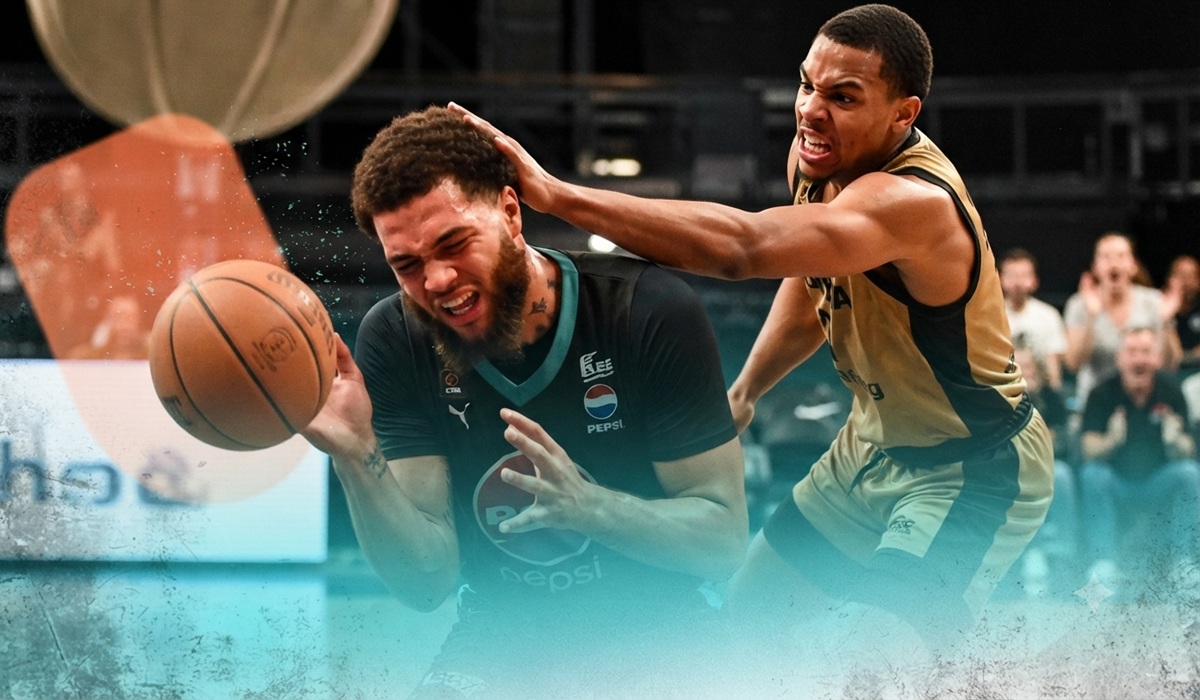
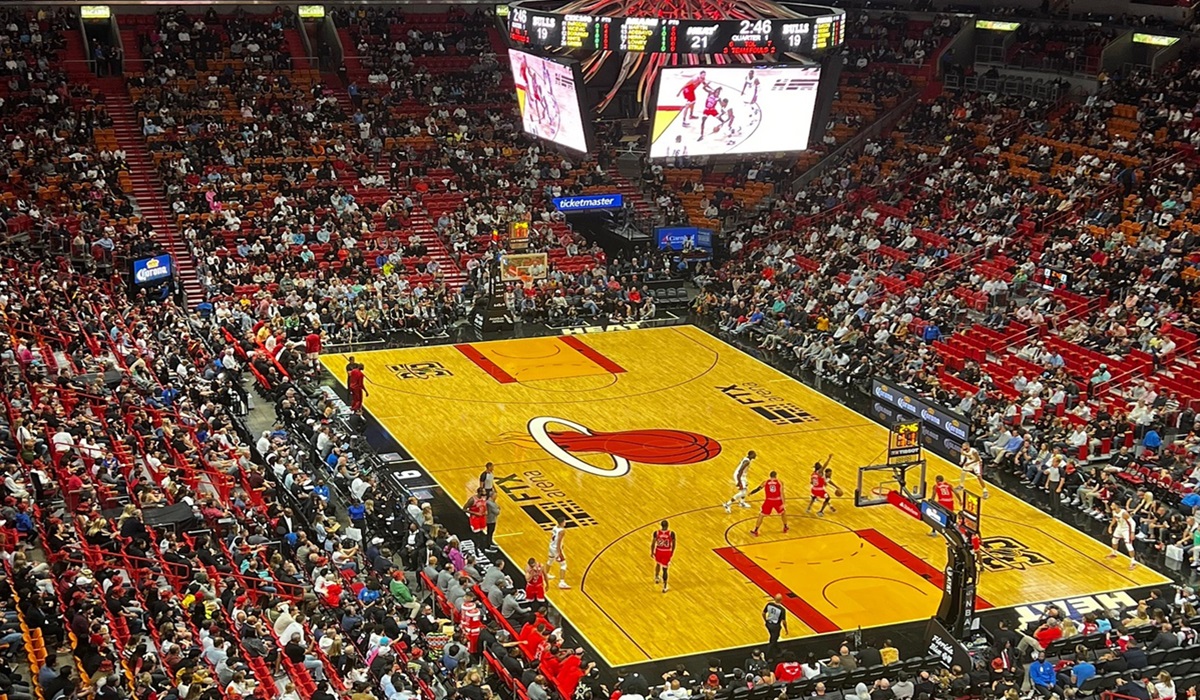
In modern professional sports, schedule interruptions are rare events typically reserved for sacred holidays or league-wide breaks. Yet, the National Basketball Association made a bold statement by intentionally leaving its calendar completely clear on midterm Election Day. Rather than filling prime-time television slots with marquee matchups, the league paused operations to encourage players, staff, and millions of fans across the country to exercise their democratic right to vote. All thirty teams used the preceding night to promote civic engagement, offering voter registration resources and turning arena jumbotrons into public messaging platforms. This progressive scheduling initiative prompts an important question: should every major sports organization follow suit, and how effective are these voluntary corporate nudges compared to mandatory civic policies like those found in Australia?
The decision by the NBA highlights the massive cultural footprint of modern sports entities. Professional sports leagues command the attention of millions of people who might otherwise ignore political news or election deadlines. When a league willingly sacrifices revenue and airtime on a major evening, it sends a clear message that civic duty transcends entertainment. It removes the potential distraction of a three-hour broadcast or a live game attendance, while simultaneously empowering arena workers and organizational staff with the time needed to visit local polling stations.
Unfortunately, not every athletic enterprise makes civic participation a priority. Many leagues operate under the belief that sports should remain strictly divorced from social issues or politics, fearing potential backlash from diverse fan bases. Others simply prioritize media rights contracts and revenue schedules above all else, treating midterm elections as just another Tuesday night on the broadcast calendar. This reluctance often creates a stark contrast between organizations that view themselves as community pillars and those that act purely as corporate entertainment providers. If every major sports property synchronized their schedules to clear Election Day, it would create a unified cultural norm across football, baseball, hockey, and basketball, reinforcing the idea that voting is a shared national responsibility.
Whether clearing a sports calendar actually drives higher voter turnout remains open to debate. Soft incentives and awareness campaigns undoubtedly help lower barrier entries by making people conscious of election schedules. However, providing free time does not guarantee that a fan will choose to stand in line at a local ballot box instead of relaxing at home. While an empty broadcast schedule removes one specific competing interest, it operates on encouragement rather than accountability.
This brings to light the broader debate around how societies approach democratic participation. In Australia, voting is not merely encouraged through public campaigns; it is a mandatory legal requirement. Under the Australian system, citizens who fail to cast a ballot face small financial penalties, resulting in turnout rates that consistently top ninety percent. Mandatory voting frame participation as a fundamental civic obligation akin to jury duty, ensuring that the electorate truly reflects the entire population rather than just the most vocal or privileged segments.
Comparing voluntary nudges like the NBA’s schedule clearance to Australia’s compulsory voting system underscores two distinct philosophies of democracy. The Australian model relies on systemic policy to ensure high participation, creating a culture where election day is a universal public event often celebrated with community sausage sizzles outside polling places. The American model, on the other hand, relies heavily on individual initiative, leaving non-governmental institutions like sports leagues, private corporations, and grassroots organizations to fill the gap by persuading citizens to show up.
Ultimately, while clearing a sports schedule cannot replicate the raw efficiency of mandatory voting laws, it represents a meaningful step toward building a culture of civic responsibility. Sports possess a rare power to bridge cultural divides and command collective attention in an increasingly fragmented world. When major organizations use that platform to prioritize democratic participation over short-term profits, they help normalize the act of voting for millions of citizens. While it may take more than an empty basketball schedule to fix low voter turnout, every obstacle removed and every public reminder offered helps move the needle toward a more engaged society.
About The Author