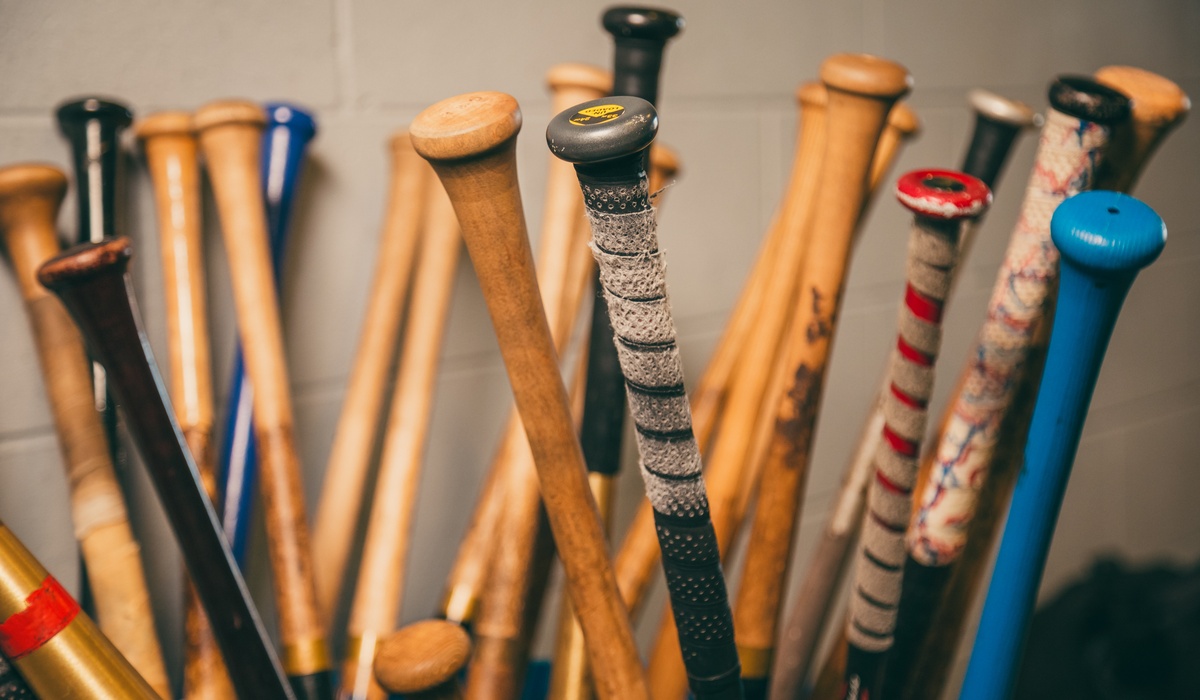
Baseball has always balanced tradition with technology. The same sport that celebrates hand-eye coordination, patience, and field awareness also relies on materials science, manufacturing standards, and equipment rules. That tension becomes especially clear in conversations about the different kinds of baseball bats, like shaved bats. But what are shaved baseball bats, and how do they differ from regular bats?
A shaved bat is not simply a well-used bat, a broken-in bat, or a model with unusual pop. It is a bat that someone has physically altered after manufacturing. In most cases, the process involves removing the end cap and thinning the interior wall of the barrel. That change can make the barrel flex more when it meets the ball, which can create a stronger trampoline effect. The ball may leave the bat faster, and the hitter may see more distance than the same swing would produce with an unaltered version of the same bat.
That distinction matters because a stock bat enters the game as a certified piece of equipment. Manufacturers design it to meet performance standards set by governing bodies and leagues. Those standards do not exist as technical formalities. They help maintain competitive balance, protect players on the field, and give coaches, parents, players, and officials a shared understanding of what equipment belongs in play. A shaved bat may look like a stock bat from the outside, but its internal structure no longer matches the version that passed testing.
The difference can be subtle to the eye. A player, umpire, or opposing coach may not see obvious signs of alteration during a game. In some cases, the end cap may show clues. In others, the bat may display unusual wear, a changed feel, or an altered sound. Yet sound alone does not provide a foolproof test.
Some modified bats may sound close to stock bats, while more aggressive alterations can make a bat sound different at contact. Shaved bats can sound audibly different than stock bats, depending on the degree of alteration, the bat model, and the condition of the barrel.
That uncertainty creates one of the central problems with shaved bats. They challenge the trust that casual and organized competition requires. Baseball and softball already contain enough variables: field dimensions, wind, pitching quality, defensive positioning, player development, and timing. Equipment standards help prevent one more variable from distorting the contest. When a bat no longer matches its certified condition, the game shifts from performance within the rules to performance produced by hidden modification.
The issue reaches beyond rulebook technicalities. In youth sports, altered bats raise concerns because the field includes children and teenagers with varying reaction times and skill levels. A harder-hit ball can change the risk profile for pitchers, corner infielders, and other players positioned close to contact. The same concern applies in adult recreational leagues, where participants may not expect or consent to face equipment modified for added exit speed.
A stock bat also carries a certain durability expectation. The manufacturer builds the barrel walls to handle frequent impact within design limits. When someone removes material from inside the barrel, the bat may become more responsive, but it can also become less durable. The same thinning that increases flex can shorten the bat’s life, increase the chance of cracking, or contribute to barrel failure.
The ethical question can feel straightforward in sanctioned competition: leagues generally reject altered bats because they change the equipment from its approved condition. The practical question can become more complex. Players may encounter terms such as shaving, rolling, end loading, compression testing, and break-in periods, and those terms do not all mean the same thing. Rolling usually refers to compressing the barrel to accelerate the break-in process. Shaving refers to removing material from inside the barrel.
That distinction helps explain why confusion persists. A hitter may believe a bat merely feels hotter because it has seen more swings. Another player may not realize that a used bat purchased secondhand has been altered. Parents buying equipment for a young athlete may focus on brand, size, weight, and price without knowing how aftermarket modifications work.
The market for altered bats also shows how sports culture can blur the line between experimentation and unfair advantage. Home run derbies, exhibitions, private batting practice, and informal settings may invite looser expectations than league games. A bat modified for a spectacle does not carry the same meaning as a bat used during sanctioned play. Still, the existence of altered equipment in one context can create spillover risks in another.
A fair discussion of shaved baseball bats must separate evidence from assumption. Leagues need clear rules and consistent testing procedures where possible, but communities also need restraint before accusing players, parents, or teams without proof.
Education provides the most practical first step. Players should know that altering a certified bat changes its status. Parents should ask careful questions before buying used equipment, especially when a bat carries claims about unusual performance. Coaches should explain equipment rules before the season, not only after a dispute. League officials should communicate whether they use compression testing, visual inspection, bat lists, or other methods to manage compliance.
Manufacturers and retailers also play a role by explaining what stock performance means and why certification matters. A legal bat does not promise identical results for every player. It promises that the equipment met a standard before it entered play. That promise allows athletic ability, preparation, and strategy to matter more than hidden engineering changes. The more clearly the baseball community communicates that principle, the less room remains for confusion.
The strongest argument against shaved bats does not depend on nostalgia or resistance to innovation. Baseball equipment has changed for generations, from wood to aluminum to composite materials and from simple barrel designs to highly engineered models. Innovation belongs in the sport when it happens within the standards that leagues adopt. The problem with shaving is that it moves the change outside the transparent system. It keeps the appearance of compliance while altering the substance of performance.
Now that you understand what shaved baseball bats are and how they differ from stock bats, you can make the best decision for yourself or your child. One bat enters the field under an agreed set of expectations. The other asks everyone else to compete against an undisclosed modification. That difference affects fairness, safety, accountability, and the credibility of the game. A stock bat may still reward strength, timing, and skill. A shaved bat adds a hidden variable that some league rules prevent.
Shaved bats reveal how even small equipment changes can carry larger consequences. They can increase performance, but they can also reduce durability, complicate enforcement, and weaken trust among players and teams. The clearest conclusion is also the simplest: a bat that has been altered from its certified condition no longer belongs in ordinary sanctioned play, and understanding that difference helps protect both the integrity of competition and the people who take the field.
About The Author