
From 220 Million Litres in 2024 to 10 Million Today: Raw Untreated Sewage Dumped Into the Red River Again
- TDS News
- Western Canada
- November 3, 2026
By: Donovan Martin Sr, Editor in Chief
When nearly ten million litres of raw, untreated sewage flush directly into the Red River under the cover of darkness, calling the disaster a mere “unexpected accident” is not just an underestimation, it is an insult to public intelligence. In the early hours of Monday morning, two critical automated bypass gates at Winnipeg’s North End Water Pollution Control Centre swung wide open, spilling massive volumes of municipal waste into a vital waterway for nearly three hours without triggering a primary alarm. The incident was only discovered after a secondary alarm tripped elsewhere in the facility due to altered flow rates, leaving city staff scrambling long after the damage was already done.
To suggest that a multi-billion-dollar modern municipal infrastructure system can simply fail open and quietly dump millions of litres of toxic waste into a shared river system defies basic industrial safety standards. Critical utility operations rely on fail-safe architecture: if a system encounters a glitch, power surge, or software anomaly, automated mechanics are designed to default to safe, closed positions, not to open wide and discharge untreated sewage. Furthermore, industrial monitoring systems operate on redundant, multi-layered telemetry. How did primary software controls permit a physical gate movement without registering an immediate high-priority warning on control room dashboards? Why did oversight rely entirely on secondary downstream flow changes to raise the alarm?
This pattern of deflection from City Hall raises pressing questions about operational oversight. When infrastructure fails on this scale, the narrative usually shifts to mechanical coincidence or unexpected hardware failure. Yet municipal systems are supposed to feature rigorous checks and balances, independent hardware locks, physical limit switches, and manual secondary overrides specifically engineered to prevent unauthorized or unintended releases. The narrative of an unexplainable digital glitch obscures deeper, operational questions. Was the plant experiencing capacity pressure? Were operational protocols bypassed or postponed? Or has routine maintenance fallen so far behind that critical monitoring software fails to report its own operational status?
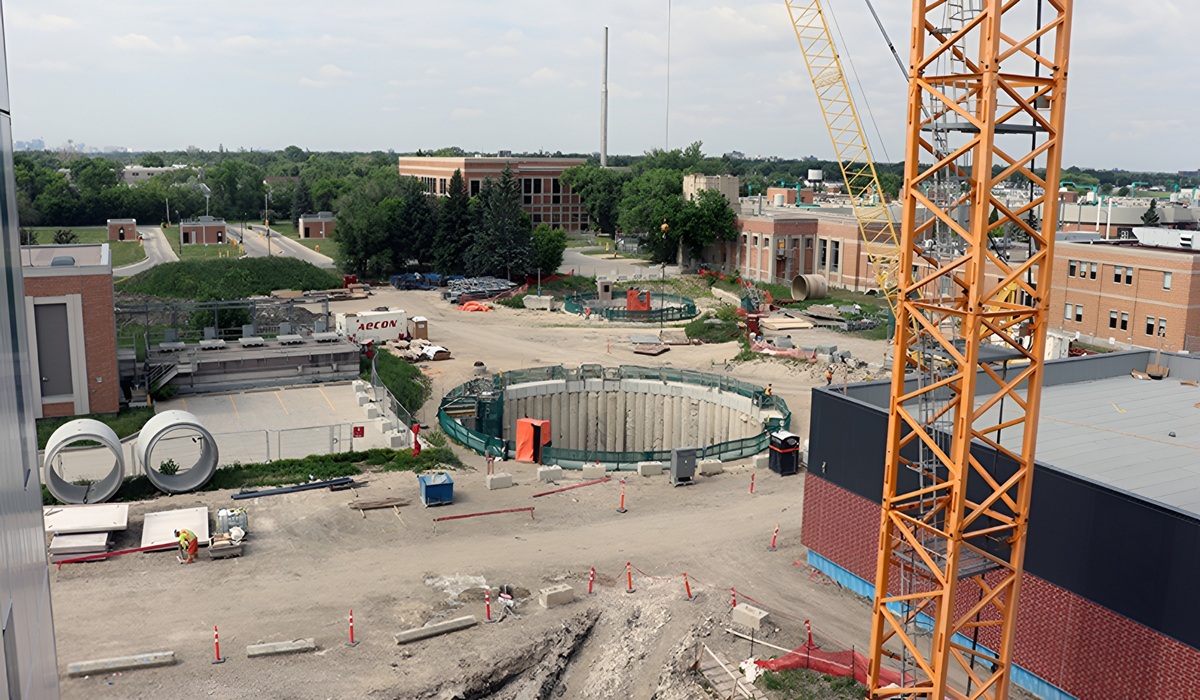
This latest disaster is not an isolated mechanical quirk, but a continuation of systemic failures that have plagued Winnipeg’s wastewater management for over fourteen years. One does not have to look far back to see that this precise pattern of catastrophic failure has occurred right under his mayorship. Beginning on February 7, 2024, two aging 1970s-era sewer pipes running under the Red River near the Fort Garry Bridge failed after temporary repairs on a minor leak proved completely insufficient. The resulting break diverted raw sewage from southwest Winnipeg away from the South End Sewage Treatment Plant and dumped over 220 million litres of untreated waste directly into the river over a grueling period of more than two weeks while crews struggled to set up bypass systems. The environmental impact was severe enough that city officials were forced to urge thousands of residents in southern neighborhoods to limit their daily water usage, culminating in formal legal charges laid against the City of Winnipeg under the provincial Environment Act and federal Fisheries Act.
If a record-breaking 2024 disaster that brought environmental law enforcement and province-wide scrutiny could not force real, preventative safeguards into place, what will? Mayor Scott Gillingham presides over this administration, and this ongoing string of environmental failures speaks volumes about the lack of meaningful reform at City Hall. It is impossible to expect Winnipeggers to accept another “unexpected accident” explanation when the mayor’s administration has failed to prevent history from repeating itself in the exact same rivers. When basic infrastructure continues to break down and primary monitoring systems repeatedly fail to alert staff before millions of litres of sewage spill into public waters, passive leadership is no longer an option. Mayor Gillingham must answer why these hard-learned lessons were ignored and demand true operational accountability rather than handing taxpayers yet another excuse.
About The Author