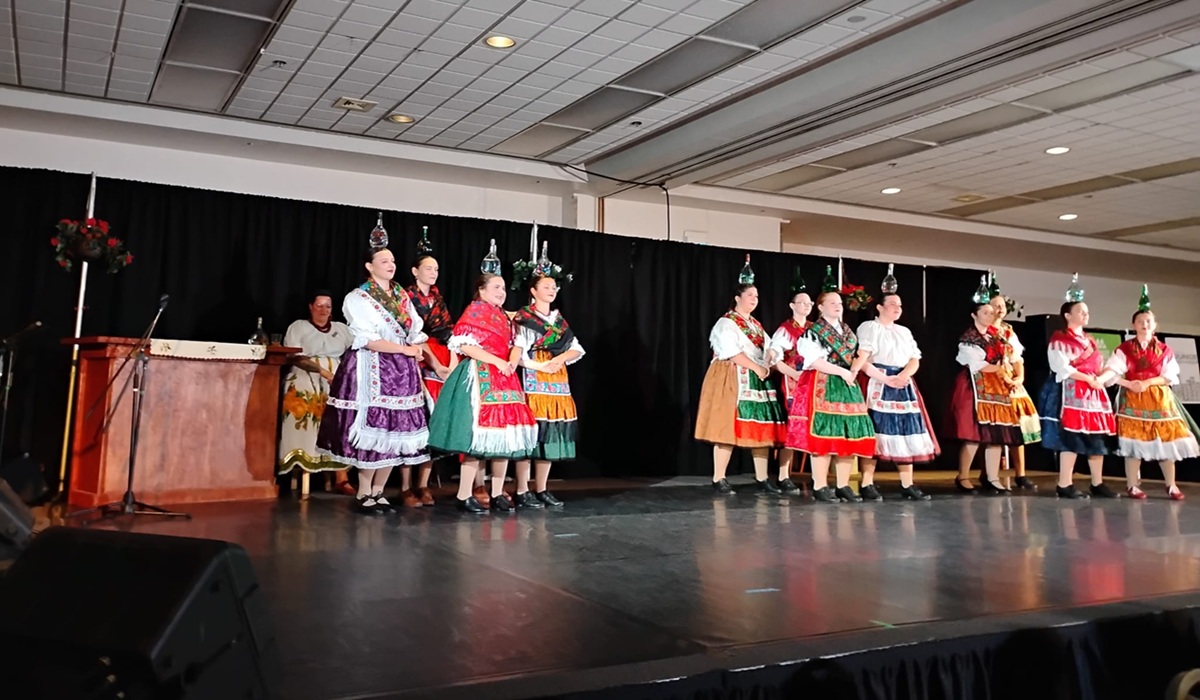
Embracing the Heartbeat of Tradition at the Folklorama Slovenija Pavilion
- TDS News
- Western Canada
- August 13, 2026
By: Donovan Martin Sr, Editor in Chief
Don Woodstock – Contributor
Stepping into the Folklorama Slovenija Pavilion feels like stepping into a vibrant European postcard where time slows down and community becomes family. Longstanding volunteers, much like every dedicated pavilion coordinator, have spent decades acting as the foundational staples of Folklorama, pouring their hearts into keeping their rich heritage alive. Walking through the doors, visitors are immediately enveloped by the stunning beauty of the show and the incredible depth of the culture. The scenery is a feast for the eyes, bursting with vibrant floral displays, traditional crafts, and meticulously embroidered garments that tell stories of generations past. But as wonderful as the visual artistry is, it is wonderfully matched by the rich aromas of authentic cuisine, featuring mouthwatering dishes that leave every guest completely satisfied.
Co-pavilion coordinator Barbara summed the entire experience up best by noting that you simply cannot spell Slovenija without the word love, and throughout the evening, you could feel that profound affection radiating directly from the enthusiastic audience, the beaming dancers, and every smiling volunteer in the room. This pavilion serves as a truly magnificent throwback to an era when times were simpler, bringing people together through genuine hospitality and shared joy.
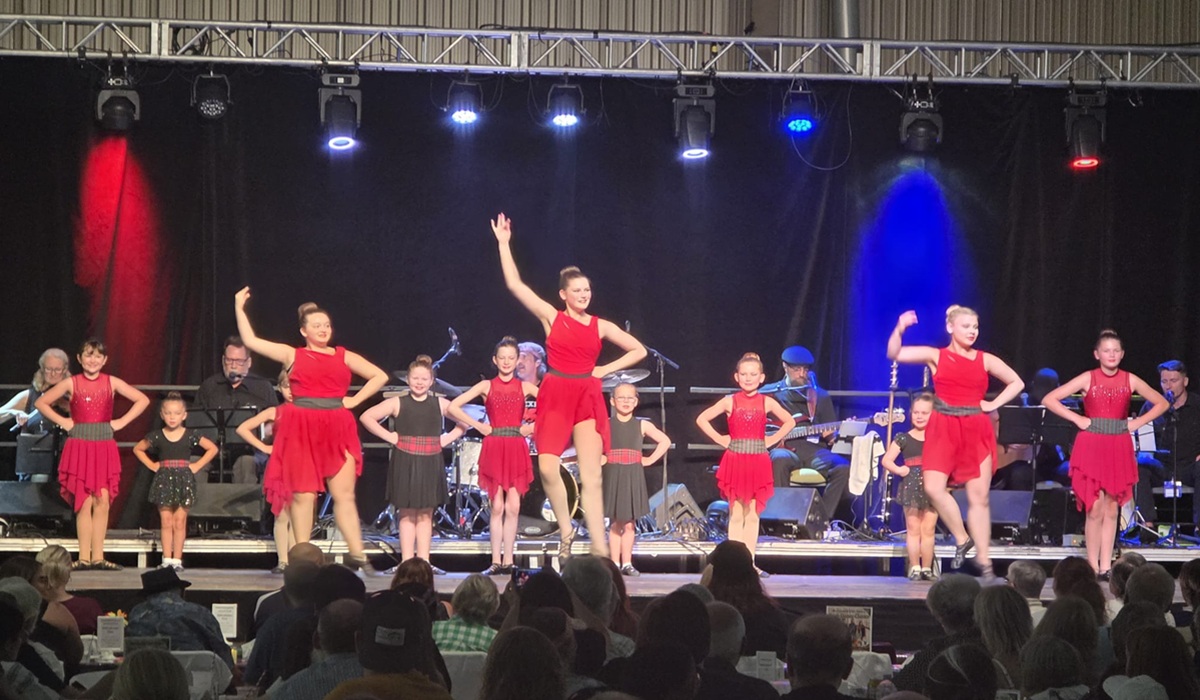
The auditory experience is just as captivating, allowing guests to listen to the soul-stirring sounds of good old polka music played masterfully on accordions. This includes the unique charm of the traditional button box accordion, a distinct type of instrument that defines the cheerful folk sound of the region. Adding to the sonic delight, music lovers were treated to something truly special this year, marking the first time in decades that a tuba has graced a Folklorama pavilion, adding a rich, booming baseline that provided a wonderful touch of old-world authenticity. Those musicians were giving it their absolute all, laying down traditional rhythms that practically forced feet to tap and bodies to move to the dance floor.
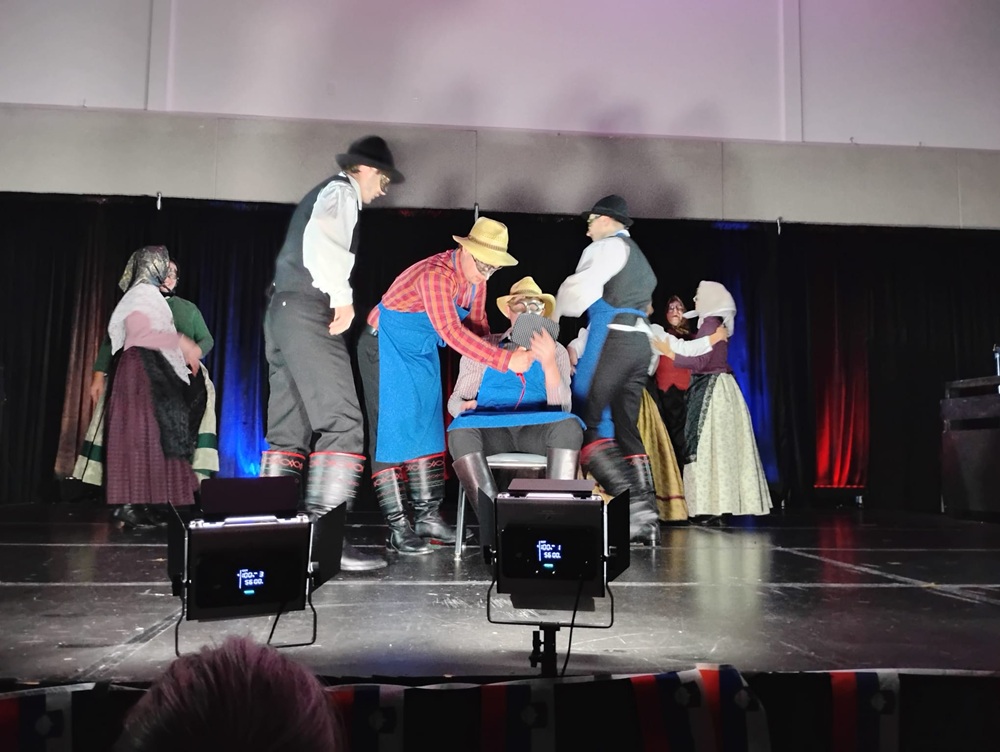
Perhaps the most encouraging highlight of the entire festival is the thriving youth movement taking over the pavilion, proving once again that the future is exceptionally bright as a passionate new generation steps up to learn, preserve, and celebrate their heritage. Amidst all these incredible sights and sounds, the undisputed highlight of the night was the unforgettable mirror dance, a mesmerizing performance that serves as a perfect blend of intricate cultural choreography and brilliant comedic relief that had the entire audience laughing out loud and feeling completely uplifted.
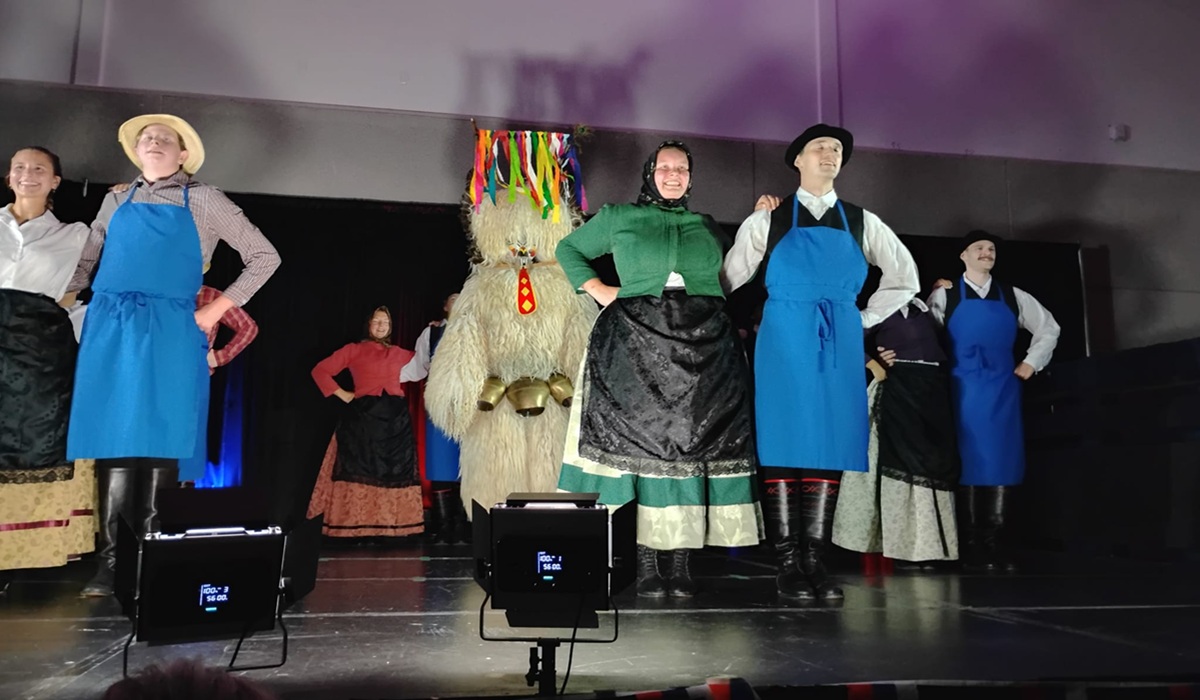
Rooted in rich folklore, cultural dances like these often trace their origins back through generations thanks to the dedicated historical and artistic efforts of community leaders like Barbara Sobocan and Irena Hibbert, who have worked tirelessly to ensure the authenticity and spirit of these traditions endure. To truly understand the mirror dance is to understand the playful yet deeply cultural storytelling inherent in Slovenian folklore, often tying into vibrant seasonal celebrations like Kurentovanje, which is Slovenija’s version of Mardi Gras. This festive winter tradition famously includes the Kurent, a scary monster designed to playfully scare away winter and welcome the warmth of spring, setting the stage for joyous communal gatherings where dances like the mirror routine bring everyone together in shared laughter and celebration.
Ultimately, the beating heart of the Slovenija Pavilion shines brightest through its leadership, with coordinators Barbara Sobocan and Irena Hibbert constantly singing the praises of their wonderfully close-knit community. They credit the ongoing success of the pavilion entirely to the tireless dedication of its volunteers and the tremendous amount of outpouring support from Festival-goers, proving that this celebration of culture is truly a collective labor of love.
About The Author