The clock is ticking: Islamabad triumphs historic Trump – Pezeshkian deal
- Naveed Aman Khan
- Pinpoint
- April 17, 2026
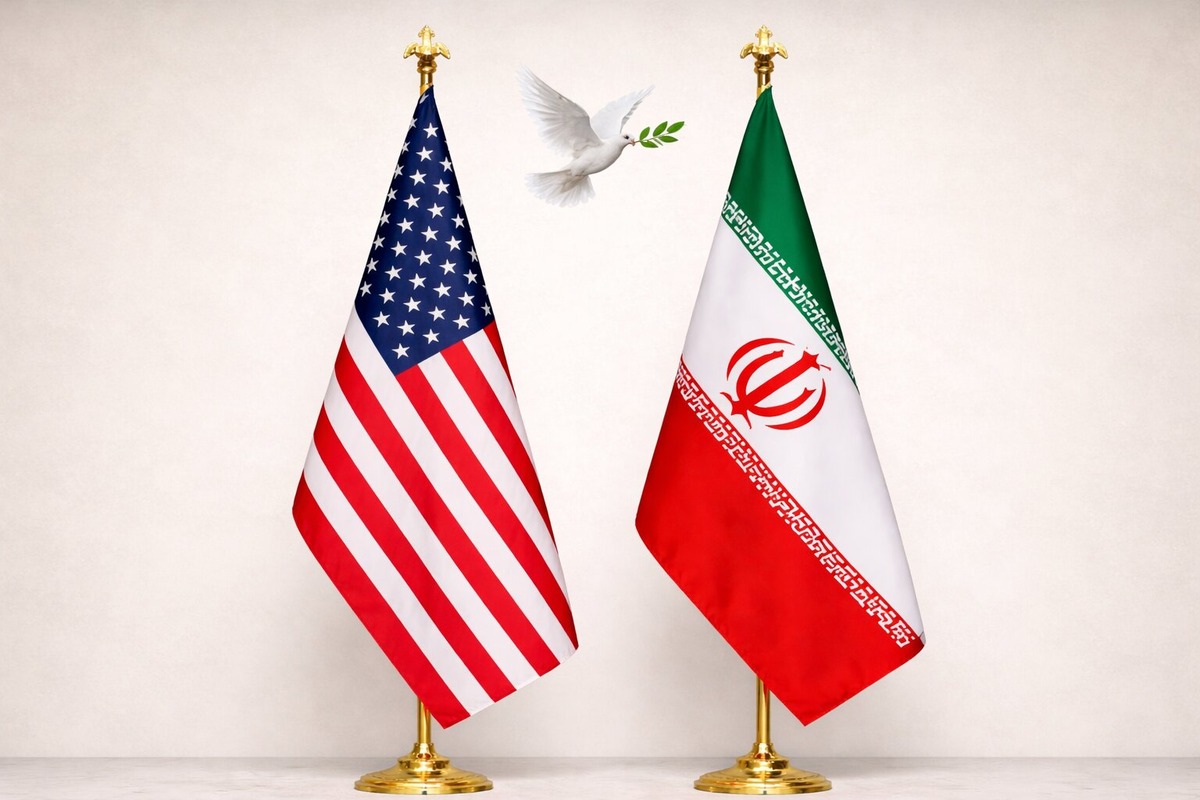
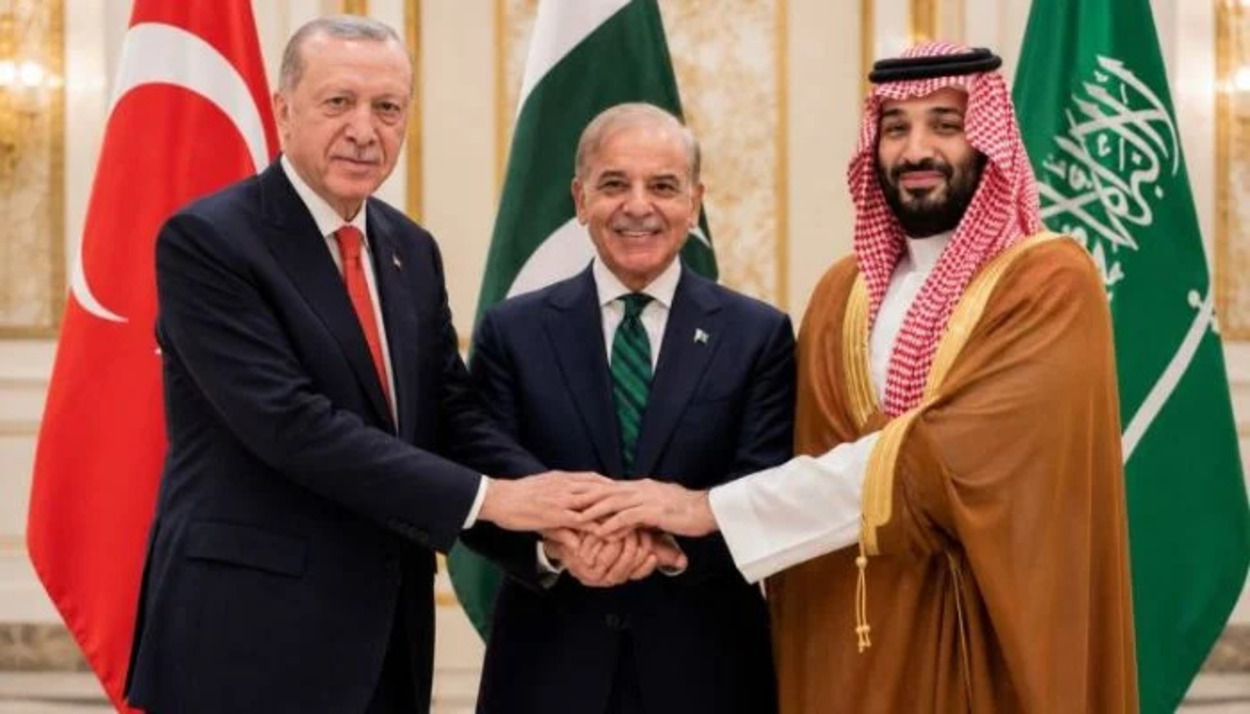
Ultimately sense has prevailed. The clock is ticking. Islamabad is hosting century’s biggest event as US- Iran deal in the presence of top leadership of KSA, Turkeye, France, Qatar, China, Russia and Great Britain. The recent high-level visits of Premier Shehbaz Sharif to KSA, Qatar, and Turkeye, alongside Field Marshal Asim Munir’s engagement with Iran, signal a coordinated and carefully calibrated effort by Islamabad to position itself as a credible mediator in one of the world’s most dangerous geopolitical flashpoints. At a time when tensions between the US and Iran threaten to destabilize not only the ME but also the broader global order, Pakistan has stepped into an increasingly visible diplomatic role.
Pakistan, maintaining balanced relations with US and Iran , is uniquely placed to act as a bridge. The outreach to Gulf capitals—particularly KSA and Qatar—underscores Pakistan’s intent to build a consensus among key Muslim countries, while engagement with Turkeye adds weight to a broader coalition seeking stability. Direct military-level dialogue with Iran demonstrates seriousness and depth in Pakistan’s peace initiative. These visits are not ceremonial. They reflect a strategic alignment of regional diplomacy aimed at de-escalation.
Pakistan is no longer a passive observer; it is shaping conversations. Backchannel diplomacy and efforts to convert temporary ceasefires into a durable peace framework suggest that Islamabad’s role is being acknowledged internationally. In a region often defined by proxy rivalries, Pakistan’s approach appears to be one of pragmatic neutrality coupled with active engagement. Diplomatic success lies not merely in participation but in relevance.
For Pakistan, revival of long-stalled Iran-Pakistan gas pipeline project stands out as a potential game changer. This pipeline, once operational, could significantly ease Pakistan’s chronic energy shortages, providing stable and relatively affordable supply of natural gas. Lifting of sanctions wouldn’t only mark diplomatic breakthrough but could also unlock substantial economic opportunities for the region.
Beyond energy security, normalization with Iran would expand bilateral trade volumes, which have remained far below potential due to sanctions and banking restrictions.
Increased trade would benefit border economies, stimulate industrial growth, and enhance regional connectivity. Possibility of importing oil from Iran at significantly reduced freight costs could directly lower domestic fuel prices in Pakistan, easing inflationary pressures and providing relief to consumers and industries alike.
A peaceful and economically integrated Iran could serve as a vital link in regional connectivity projects, complementing the China-Pakistan Economic Corridor (CPEC).
Enhanced connectivity through Iran would provide Pakistan access to new markets in Central Asia and beyond, while also strengthening its position as a regional trade hub. In this context, peace between the United States and Iran is not merely a political objective—it is an economic necessity for long-term regional stability and development.
The economic implications extend even further.
Disruptions would trigger spikes in global energy prices, fuel inflation, and potentially push fragile economies into deeper crisis.
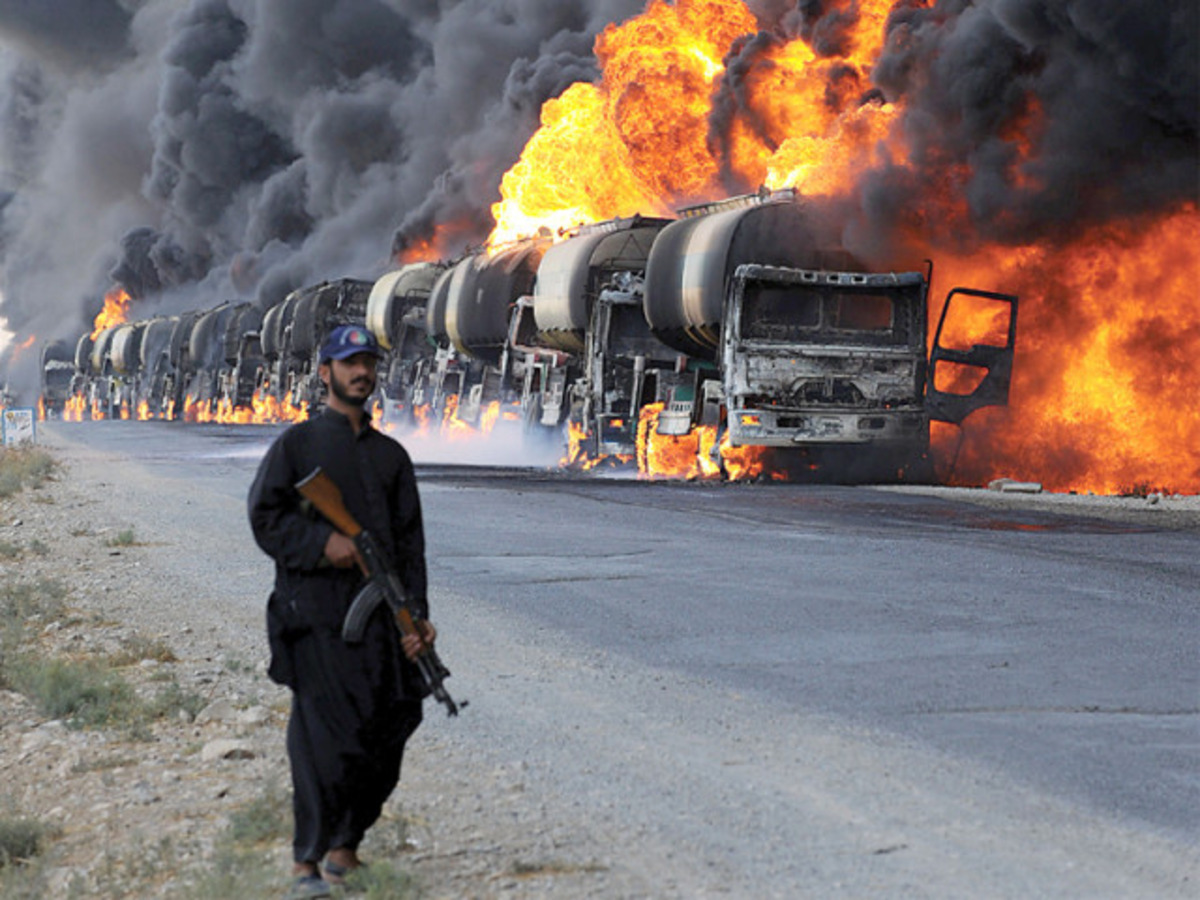
Conflict risks drawing in other regional and global powers, turning a bilateral confrontation into a wider war with unpredictable consequences. Globally, the implications of a prolonged US-Iran conflict are deeply concerning. Any escalation risks disrupting critical النفط supply routes, particularly through the Strait of Hormuz, through which a significant portion of the world’s oil passes.
Successful diplomatic resolution could usher in a new era of cooperation, reducing sectarian tensions and fostering collective security arrangements in the ME and South Asia. Instability in Iran would have direct repercussions for neighboring countries, including Pakistan and Afghanistan. Border insecurity, and the rise of non-state actors are all plausible outcomes of a destabilized Iran.
An equally important question is whether a US-Iran détente could pave the way for resolving other long-standing conflicts in the region, particularly in Lebanon and Palestine.
While these issues have their own complexities, a reduction in US-Iran hostility would likely ease proxy tensions that have fueled conflicts in these regions. It could create diplomatic space for multilateral negotiations and reduce the Intensity of regional rivalries that often hinder peace processes.
For Pakistan, successful mediation or even a supportive role in facilitating dialogue would significantly enhance its global credibility. It would reinforce the image of Pakistan as a responsible and constructive player in international affairs—an image that contrasts with narratives often associated with conflict and instability. Diplomatic success could translate into greater influence in international forums and improved bilateral relations with key global powers.
Stable relationship with Iran could improve Pakistan’s leverage in Afghanistan, where regional cooperation is essential for lasting peace. In contrast to Israel’s confrontational posture toward Iran, Pakistan’s emphasis on dialogue positions it as a peace-oriented state. In a comparative regional context, Pakistan’s proactive diplomacy has also provided it with a strategic edge. While India remains largely aligned with Western policies and has limited engagement with Iran, Pakistan’s balanced approach allows it to maintain influence across competing blocs.
Path to peace is neither simple nor guaranteed. Pakistan’s active and thoughtful diplomacy demonstrates that even in times of war and uncertainty, constructive engagement and regional cooperation remain the most viable routes to lasting stability and shared prosperity. Lifting of sanctions on Iran, revival of energy projects, expansion of trade, and strengthening of regional connectivity could collectively transform the economic landscape of the region. Successful peace process would reduce global tensions, stabilize energy markets, and open pathways for resolving other entrenched conflicts. Pakistan’s diplomatic initiatives—anchored in strategic visits, balanced engagement, and a vision for regional stability—have the potential to yield significant dividends.
About The Author