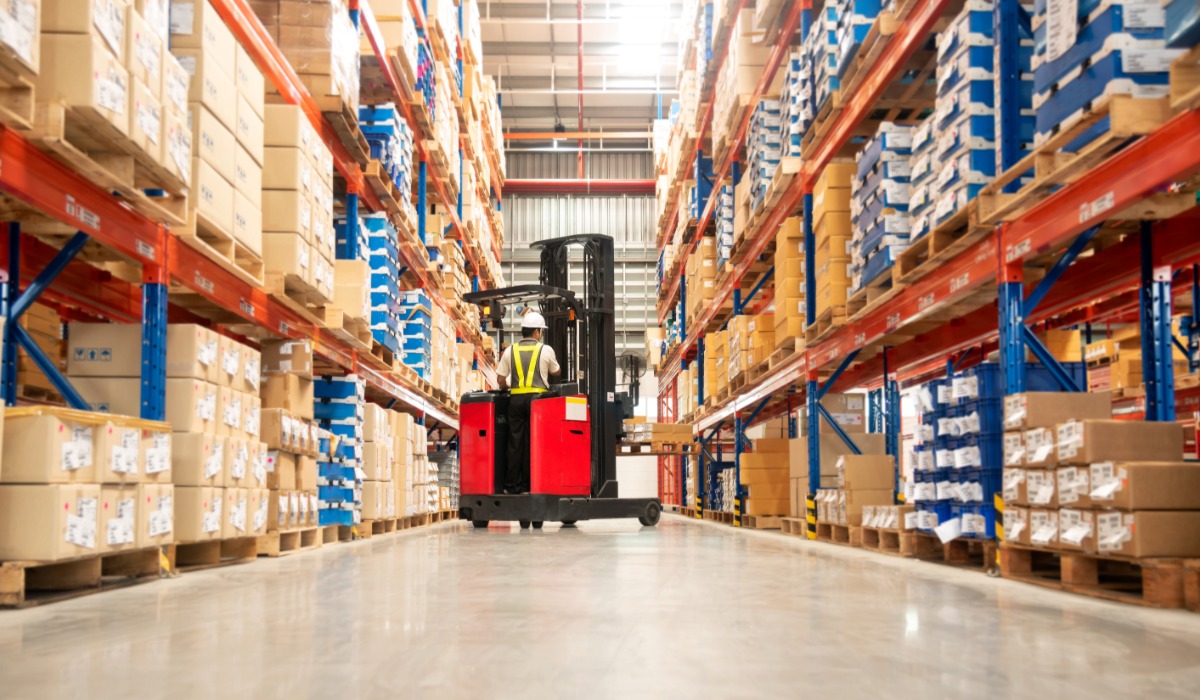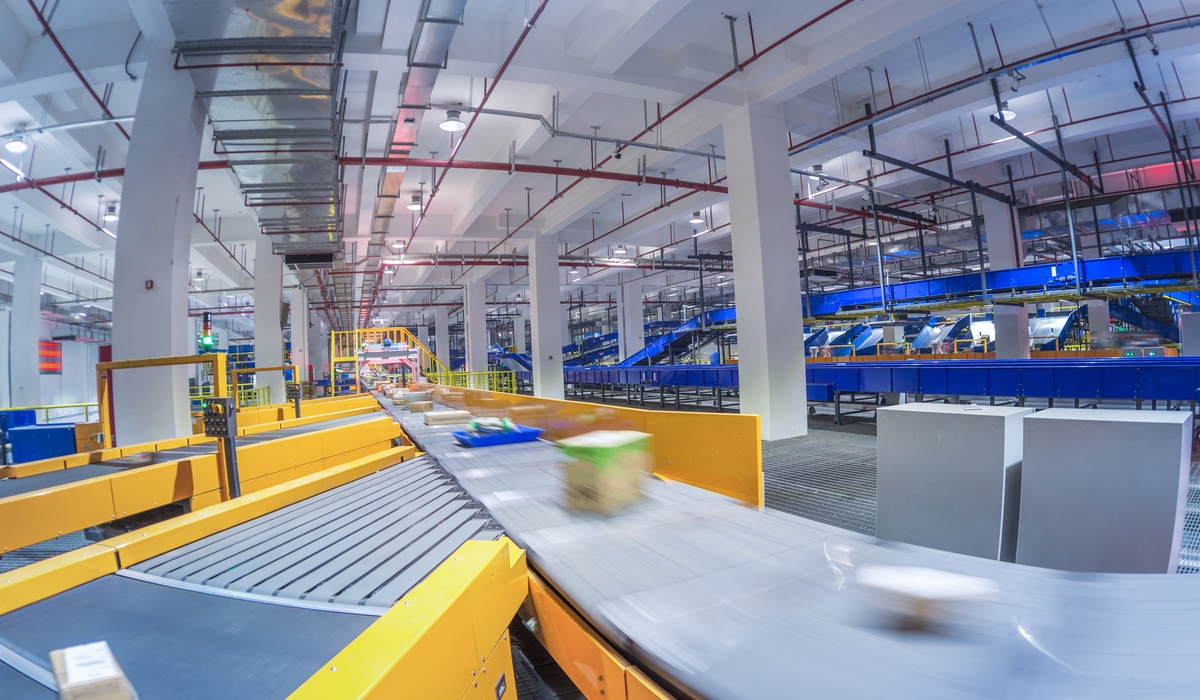
In industrial life, some failures announce themselves with smoke, noise, and sudden shutdowns. Others begin quietly, hidden in the ordinary mechanics of production. Conveyor belt splicing belongs to that second category. It sounds technical and narrow, but it sits near the center of how mines, warehouses, food plants, recycling facilities, farms, and manufacturing lines keep goods moving.
A splice joins two ends of a belt into one working loop. That single connection must carry tension, absorb impact, pass over pulleys, and hold alignment under real operating pressure. When it performs well, few people notice it, but when it fails, managers notice in the form of lost hours, damaged equipment, spilled material, and safety risk. If you’re looking to learn more about conveyor belt splicing, keep reading for answers to some of the most common questions about the practice.
First: what does a splice actually do? A splice restores continuity to a moving system. In a functioning conveyor, the belt does not just sit under material; it pulls, flexes, tracks, and resists friction over long runs. The splice must behave as though it belongs to the original belt rather than acting like a patched seam.
If the splice changes the belt’s thickness, stiffness, or balance too much, the line begins to signal trouble. The belt may pull to one side, vibrate at transfer points, or wear faster near the joint. A splice, then, is a structural point that determines whether the conveyor behaves like a single machine or a chain of weak compromises.
Next, why does splicing matter? When a splice fails, the belt stops carrying product, and the rest of the system pays the price. Production schedules slip, and labor sits idle or redirects into emergency repair. Material can pile up at one end and starve another process downstream.
In facilities that move aggregate, grain, packaging, or scrap, a shutdown can also create cleanup costs and fresh wear from frequent starts under load. The belt itself may represent only one line item in the total loss. The higher cost comes from the interruption. A reliable splice protects continuity, and continuity is what industrial operations sell to customers, distributors, and partners.
Now, we know what splices are and why they matter, but are they all the same? No, there are many different baler belt splicing techniques that cater to specific applications and situations. Mechanical and vulcanized are the two major splicing approaches, and each suits different conditions.
Mechanical splicing utilizes fasteners to join the belt ends. It allows quick installation and simpler field repair, which matters when time pressure dominates the decision. Vulcanized splicing uses heat, pressure, and bonding materials to form a smoother and more integrated joint. That method can deliver strong performance when crews have the right equipment and environmental control.
The right choice depends on belt type, load, pulley size, moisture, temperature, and the tolerance a facility has for downtime. There is no universal method that wins in every setting. Good maintenance practice depends on matching the splice to the system rather than forcing the system to accept the wrong splice.
That leads to another important question about conveyor belt splicing we must answer: why do splices fail? Most splice failures trace back to rushed preparation, poor alignment, bad material matching, or weak installation technique. If a crew does not square the belt properly, one side can carry more stress than the other. A splice that is too thick creates an impact point every time it passes over a pulley.
If the belt carcass has hidden damage, the splice may hold at first and then separate under tension. Moisture, heat, abrasive material, and shock loading add more pressure. In other words, a bad splice is usually the final stage of a preventable chain of decisions.
We know about belt failures, but how can operators see trouble before the belt comes apart? A splice in distress tends to announce itself through small but visible changes. Edges near the joint may fray, tracking may drift after a repair, fasteners may start to lift, and the belt may click as it passes over rollers. Those signs matter because they give facilities a chance to respond during planned maintenance instead of during a forced outage.
Belt splicing is important for maintenance, but why should anyone outside maintenance care about splice quality? Because a conveyor does not fail in isolation. A snapped or separating belt can throw material, jam moving components, or create dangerous cleanup conditions around pinch points and guards. Emergency repairs push crews into high-pressure situations where fatigue and haste become part of the job.
A sound splice lowers the chance of that cascade. It reduces surprises, and in industrial settings, fewer surprises usually mean safer work. That is why discussions of maintenance belong inside broader conversations about workplace risk, liability, and operational discipline.
When it comes to belt splices and problems, how does a facility know whether to repair or replace? A splice repair makes sense when the underlying belt remains structurally sound, and the damage stays local to the joint. Replacement makes more sense when the system keeps returning to the same failure, when the carcass shows broader weakness, or when frequent emergency work starts costing more than a planned shutdown. The instinct to squeeze more life from aging equipment is understandable, but thrift can turn expensive when it delays an unavoidable replacement and adds new failures around the same worn belt.
Our final question asks what splicing says about a larger operation. It reveals culture. Facilities with disciplined maintenance programs tend to approach belt work methodically. They inspect before failure, document recurring issues, and choose methods that fit actual operating conditions.
Facilities that live in permanent reaction mode tend to chase the cheapest or fastest repair, then wonder why breakdowns keep returning. In that sense, conveyor belt splicing becomes a small but telling test of management quality. It shows whether an organization values steady performance enough to invest in the workmanship that supports it.
In the end, conveyor belt splicing is not a narrow maintenance concern, but a practical measure of how seriously an operation treats safety, efficiency, and continuity. A strong splice keeps materials moving, limits avoidable downtime, protects equipment from unnecessary strain, and reduces the chance that a small defect will grow into a costly shutdown. The subject may seem technical at first glance, but its consequences reach far beyond the belt itself, touching production schedules, labor demands, repair budgets, and workplace risk. To understand conveyor belt splicing, then, is to understand how industrial systems depend on efficient work at their most crucial points.
About The Author