Researchers use transepithelial electrical resistance (TEER) to assess barrier integrity in epithelial and endothelial models. The method offers a direct, real-time signal without damaging the cells under study. Despite this simplicity, many labs struggle with inconsistent or drifting results, undermining confidence in their data. These issues rarely stem from biology alone and often reflect preventable flaws in technique or setup.
Many teams treat TEER as a routine measurement rather than a sensitive assay. This assumption leads to overlooked variables that quietly distort results. Small inconsistencies accumulate, producing data that appear erratic or unreliable. Recognizing the precision required for TEER marks the first step toward eliminating TEER measurement errors.
Temperature plays a decisive role in electrical resistance measurements. When researchers remove plates from incubators, even brief exposure to room conditions alters ion movement and resistance values. These shifts create artificial variability that can mask true biological changes. Consistent measurement environments eliminate this source of distortion.
Humidity and CO₂ levels also influence cell behavior and medium composition. Fluctuations in these factors can subtly change resistance without visible signs in the culture. Researchers who measure TEER outside controlled environments often misinterpret these shifts as biological noise. Maintaining stable conditions ensures that readings reflect actual cellular properties rather than external interference.
Beyond temperature and atmosphere, media composition introduces another layer of complexity. Variations in ion concentration, pH, or serum content can influence electrical resistance independently of cell health. Even slight inconsistencies between batches of media can produce measurable differences in TEER values. Researchers who standardize reagents and preparation methods reduce this hidden variability and improve comparability across experiments.
Electrodes function as the central interface between the instrument and the cell culture. Poor maintenance introduces contamination, residue buildup, or physical degradation that directly affects readings. Many inconsistencies trace back to electrodes that no longer perform within expected parameters. Routine cleaning and careful handling prevent these issues before they appear.
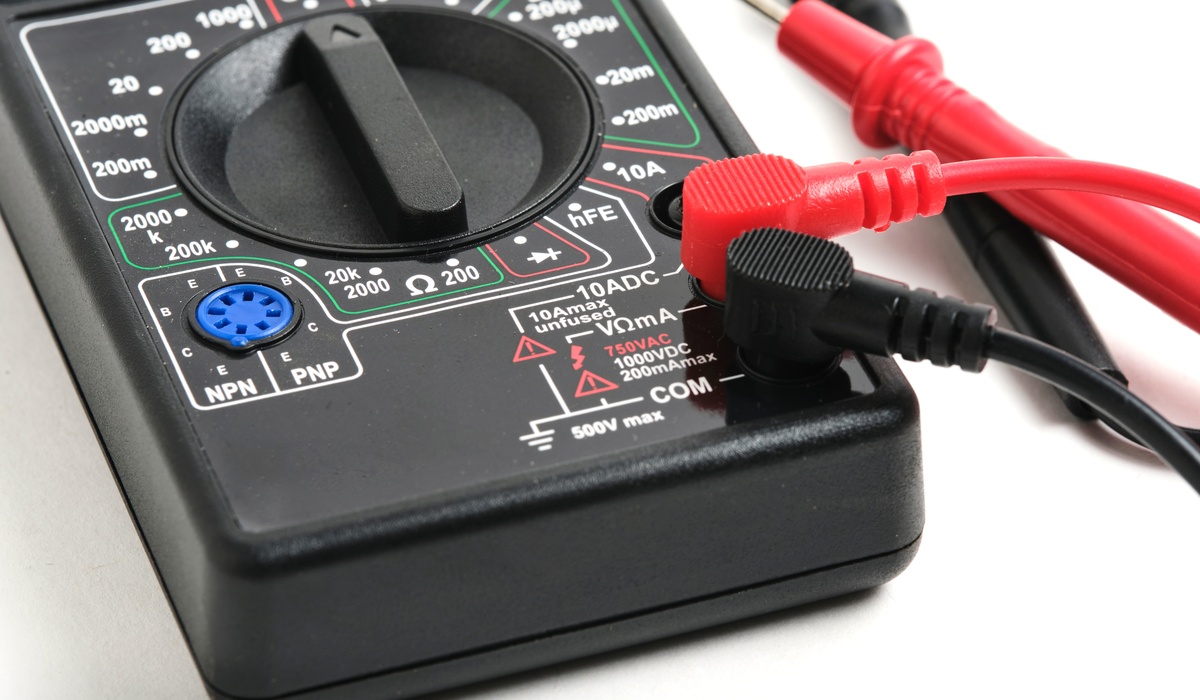
Calibration also requires consistent attention. Instruments can drift over time, especially with frequent use across experiments. Without regular calibration, measurements lose accuracy and comparability. Labs that enforce strict equipment protocols reduce variability and strengthen the reliability of their data.
The positioning of electrodes within the culture well also shapes measurement outcomes. Slight differences in placement can alter the electrical path and produce inconsistent resistance values. Researchers who rely on visual approximation rather than standardized positioning are more likely to encounter variability. Establishing repeatable placement techniques ensures more stable and comparable readings.
TEER values depend entirely on the condition of the cell monolayer. Uneven seeding, incomplete confluence, or minor contamination can disrupt barrier function and produce unstable readings. Visual inspection alone does not guarantee functional integrity, which creates a gap between appearance and measurement. Researchers must standardize culture preparation to close that gap.
Timing also plays a critical role. Cells develop barrier properties over defined periods, and premature measurement can yield misleadingly low or inconsistent values. Consistent timelines across experiments help ensure comparability. Careful attention to cultural health reduces one of the most common sources of TEER measurement errors.
Passage number adds another variable that researchers sometimes overlook. Cells can change behavior over repeated passages, including their ability to form tight junctions. Higher passage numbers may lead to weaker or less consistent barrier properties. Tracking and limiting passage ranges helps maintain experimental consistency and protects data integrity.
The cell line type also influences TEER outcomes. Different epithelial or endothelial models naturally produce different resistance ranges based on their physiological characteristics. Comparing values across incompatible cell types can lead to incorrect conclusions about barrier strength or dysfunction. Researchers must interpret TEER data within the context of the specific model in use.
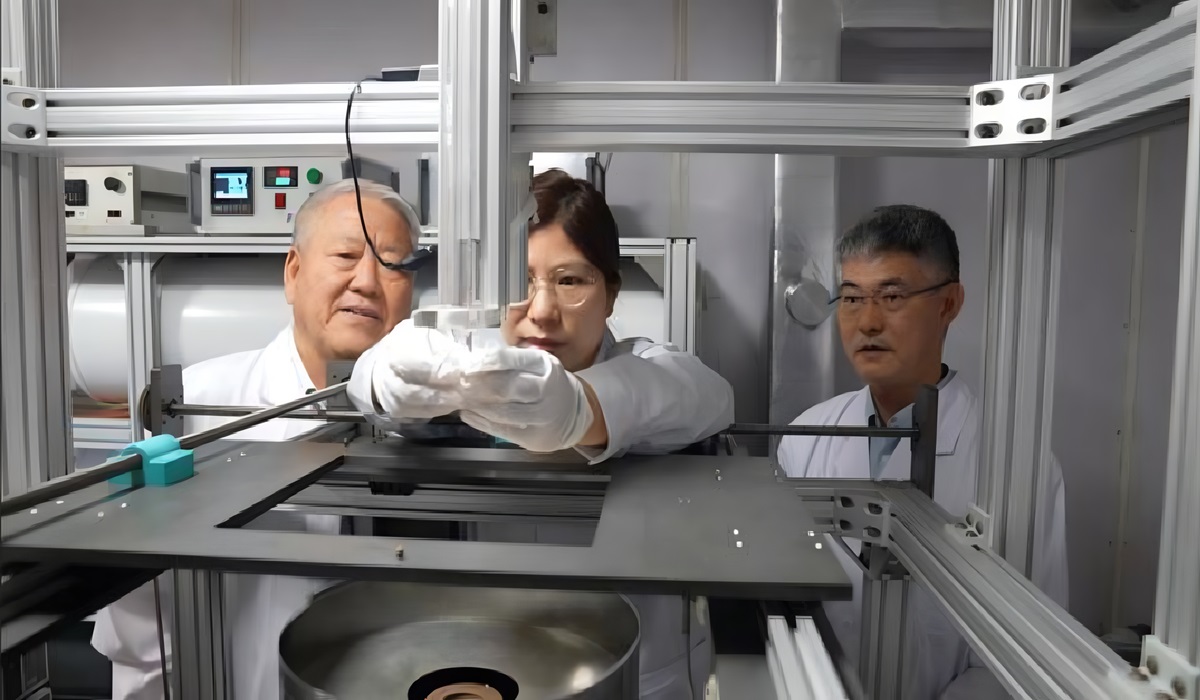
Human handling introduces variability that often goes unnoticed. Differences in electrode placement, insertion depth, or measurement timing can shift resistance values. Even experienced researchers can produce inconsistent results without standardized procedures. Clear protocols and repeatable techniques minimize these discrepancies.
Training reinforces consistency across teams. When multiple researchers contribute to data collection, small variations in approach can compound into significant differences. Labs that prioritize procedural discipline achieve more stable, reproducible outcomes. Consistency in execution proves just as important as equipment or environment.
Data recording practices can also influence perceived stability. Inconsistent timing between measurements or selective recording can create misleading trends. Researchers who follow structured data collection schedules produce more reliable and interpretable results. Consistent documentation supports both internal analysis and external validation.
Electrical interference represents another subtle but impactful factor. Nearby equipment, poor grounding, or unstable power sources can introduce noise into measurements. These disturbances may not appear obvious during routine work but can distort resistance values in meaningful ways. Shielding instruments and maintaining stable electrical conditions help reduce this source of variability.
Unstable TEER readings often prompt concern, but they rarely arise without cause. Technical, environmental, and biological factors intersect to shape each measurement. Researchers who isolate one variable without considering the others risk misdiagnosing the problem. A broader view allows for more accurate troubleshooting.
It is also important to recognize that some variability reflects genuine biological responses. Cells respond dynamically to stimuli, environmental stress, and experimental treatments. Distinguishing between meaningful biological change and technical noise requires careful control conditions. Researchers who establish strong baselines can better interpret fluctuations when they occur.
Baseline normalization further strengthens interpretation. Raw TEER values can vary widely depending on experimental setup, membrane properties, and cell type. Normalizing data against blank controls or surface area provides more meaningful comparisons across experiments. This approach reduces confusion and enhances the clarity of reported findings.
The growing emphasis on reproducibility in science has placed greater scrutiny on measurement techniques like TEER. Journals and reviewers increasingly expect clear documentation of methods and controls. Inconsistent or poorly explained TEER data can raise questions about the validity of an entire study. Attention to measurement detail, therefore, carries implications beyond the immediate experiment.
TEER measurements do not fail on their own; researchers introduce variability through overlooked details. Each step in the process, from culture preparation to instrument handling, shapes the final output. When teams treat TEER as a precise assay rather than a routine check, they produce data that withstand scrutiny. This shift in mindset elevates both accuracy and reproducibility.
Reliable TEER data supports critical research in drug development, disease modeling, and tissue engineering. Inaccurate readings can mislead conclusions and slow scientific progress. By addressing the common mistakes outlined here, researchers strengthen both their individual experiments and the broader scientific record. Precision, consistency, and attention to detail ultimately define the difference between unstable results and dependable insight.
About The Author