A vehicle represents more than a way to get from one place to another, and its condition often reflects the level of care it receives over time. For car owners who want to sell their vehicle, exterior protection plays a critical role in preserving both appearance and long-term value.
Buyers notice surface condition immediately, and they often associate a clean exterior with proper maintenance. Owners who invest in protective measures position their vehicles to retain stronger resale appeal. Exterior vehicle protection helps improve car value and showcases your attention to detail to potential buyers.
Paint condition stands as one of the most visible indicators of value in any vehicle. Sun exposure, road debris, and environmental contaminants all wear down the finish when owners fail to protect it. A well-maintained exterior resists fading, oxidation, and chipping, which helps the vehicle maintain its original look. Consistent care signals to potential buyers that the vehicle has received attention in other areas as well.
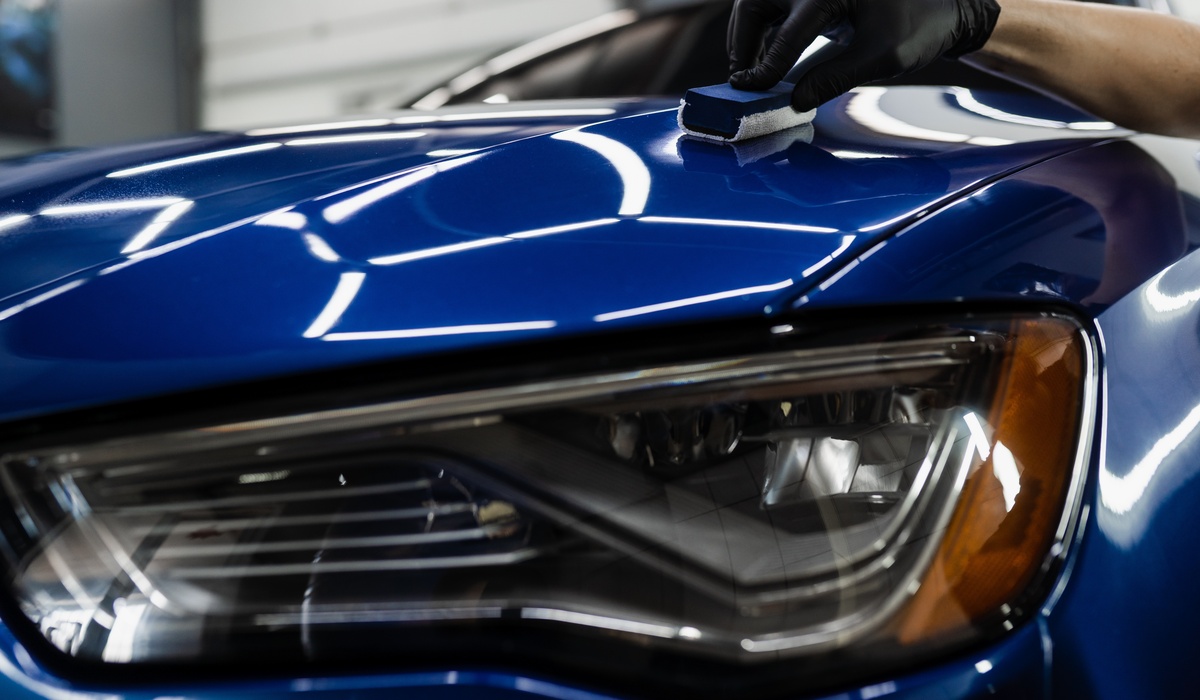
Protective coatings provide a strong barrier against everyday damage that drivers encounter on the road. Ceramic coatings, for example, create a durable layer that resists dirt and chemical exposure. This layer reduces the likelihood of scratches and stains that can lower a car’s perceived worth. When the paint remains smooth and glossy, the vehicle holds its value more effectively over time.
Environmental conditions vary across regions, but they consistently impact exterior surfaces in significant ways. Drivers face challenges such as acid rain, bird droppings, and tree sap, all of which can damage paint if left untreated. Depending on the region you’re in, you should take certain measures to protect your vehicle’s exterior.
Chicago drivers need paint protection year-round because harsh winters and hot summers both create risks for exterior surfaces. Road salt and fluctuating temperatures accelerate wear, which makes consistent protection essential for preserving value.
Drivers in other conditions, such as coastal areas like San Francisco, must deal with salt corrosion and sun exposure that can rust the vehicle’s undercarriage. Applying a protective wax or sealant before winter blocks salt from reaching metal surfaces. When paired with undercoating treatments, it reduces the effects of coastal weather on the vehicle.
Paint protection film offers another effective solution for maintaining a vehicle’s exterior condition. This transparent film absorbs impacts from rocks and debris that would otherwise chip the paint. Owners who install this protection prevent visible damage in high-impact areas like the hood and front bumper. A vehicle without chips and scratches presents a stronger visual impression to buyers and appraisers.
Regular washing and detailing also contribute to long-term value retention. Dirt and grime accumulate quickly, and they can degrade the finish if drivers ignore routine cleaning. Hand washing with proper tools prevents swirl marks and preserves the integrity of protective coatings. A consistent cleaning routine ensures that contaminants do not settle into the surface and cause lasting damage.
Exterior protection extends beyond paint and includes components like trim, glass, and wheels. UV rays can fade plastic and rubber trim, which creates a worn appearance that reduces overall appeal. Protective treatments restore and maintain these materials, helping the vehicle look newer for longer. Clean and well-maintained wheels also enhance the overall presentation and signal careful ownership.
Weather exposure creates constant challenges that require proactive solutions. Snow, ice, and freezing temperatures can damage exterior surfaces if drivers fail to prepare properly. Protective waxes and coatings add a layer of defense that reduces the impact of these conditions. Vehicles that withstand harsh weather without visible deterioration retain stronger market value.
Parking habits also influence exterior condition and long-term value. Vehicles parked outdoors face greater exposure to sunlight, debris, and environmental contaminants. Covered parking or using car covers reduces this exposure and protects the finish. Owners who take these steps prevent unnecessary wear and maintain a cleaner appearance.
Minor imperfections can quickly escalate into larger issues if drivers do not address them promptly. Small chips in the paint can lead to rust, which spreads and causes structural damage over time. Timely repairs prevent these problems and preserve the integrity of the vehicle’s exterior. A rust-free vehicle commands higher resale prices and attracts more interest from buyers.
Professional detailing services offer an added layer of care that enhances exterior protection. Detailers use specialized tools and products to remove contaminants and restore the finish. Polishing removes minor scratches and restores the paint’s original shine. This level of care improves the vehicle’s presentation and reinforces its value in the market.
Buyers often make decisions based on first impressions, and exterior condition plays a major role in that process. A vehicle with a glossy finish and clean surfaces stands out immediately. This visual appeal instills confidence in the buyer and supports a higher asking price. Owners who prioritize exterior protection benefit from stronger negotiation positions when selling their vehicles.
Long-term ownership costs also connect closely to exterior protection practices. Preventative measures reduce the need for expensive repairs and repainting. Drivers who invest in protection early avoid significant expenses later. This approach not only preserves value but also reduces the overall cost of maintaining the vehicle.
Technology continues to improve the effectiveness of exterior protection solutions. Modern coatings and films offer greater durability and longer-lasting results than older methods. These advancements make it easier for owners to protect their vehicles with less frequent maintenance. As a result, vehicles maintain their appearance and value for extended periods.
Consistent exterior protection reflects a broader mindset of responsible ownership. Drivers who take care of their vehicle’s appearance often maintain other aspects of the car with equal diligence. This comprehensive care history increases buyer confidence and supports higher resale value. A well-protected exterior serves as visible proof of your commitment to proactively maintaining your vehicle.
Exterior vehicle protection directly influences how a car ages and its overall value. Drivers who take proactive steps to protect their vehicles create lasting benefits that extend beyond appearance. These efforts preserve the integrity of the paint, prevent damage, and support long-term value retention. In a competitive resale market, a protected exterior can make the difference between an average offer and a premium price.
About The Author