Canada at a Turning Point: Big Ambitions Collide With Everyday Reality
- Kingston Bailey
- Breaking News
- Business
- April 28, 2026
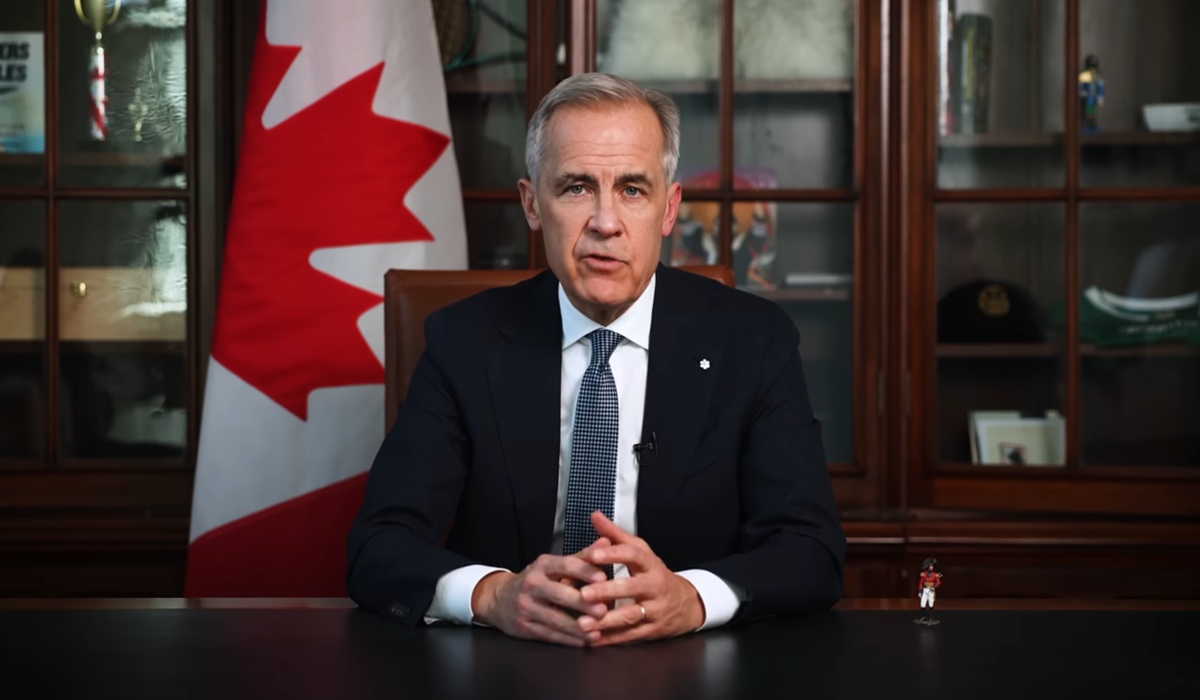
Image Credit: Government of Canada
Canada is trying to reinvent itself, and it’s happening faster than most people realize. Over the past several days, a wave of economic decisions, political shifts, and rising public pressure has created a moment that feels both ambitious and uneasy. On the surface, the messaging from Ottawa is confident and forward-looking. Underneath, there’s tension building between long-term vision and the reality people are living right now.
At the center of it all is Prime Minister Mark Carney, who is pushing one of the most aggressive economic strategies in recent memory. His government is moving ahead with a massive investment initiative designed to build long-term wealth through infrastructure, energy, and emerging industries. It’s a clear signal that the country wants to stop reacting to global shifts and start shaping its own economic future.
The idea carries weight. It suggests leadership willing to think beyond election cycles and short-term fixes. But it also raises a question that hasn’t gone away: where does the money come from, and how much risk is too much at a time when the economic foundation isn’t exactly unshakable?
Because while the long-term pitch sounds bold, the present tells a quieter story. Growth is steady, but not impressive. Inflation is being managed, but not without strain. Interest rates remain cautious, reflecting an economy that is holding together rather than surging forward. It’s stable, but stability isn’t the same as strength.
That gap is starting to show in everyday life. The cost of living continues to dominate conversations, and no major announcement has changed that reality. Rent, groceries, and basic expenses are stretching households in ways that feel immediate and personal. Long-term investment strategies don’t soften that impact when bills are due right now.
Housing remains one of the clearest pressure points. In major urban centres and beyond, affordability has shifted from concern to crisis for many. Younger buyers are struggling to get in, while those already in the market are feeling squeezed from every angle. It’s a problem that doesn’t wait for policy to mature—it demands answers now.
At the same time, the country’s economic relationship with the United States is becoming harder to navigate. Under President Donald Trump, trade signals have grown more unpredictable, forcing leaders to look elsewhere for stability. There’s a push to diversify, to build stronger ties with other global partners, but shifting that dependence is a slow process, and the pressure isn’t slowing down.
Energy is another layer complicating the picture. Rising global oil prices are delivering mixed consequences. Producers benefit, but consumers feel it immediately at the pump, and those costs ripple outward into transportation and everyday goods. It’s a familiar contradiction—one that highlights how uneven economic gains can be depending on where you stand.
Politically, the government holds a strong position, with the ability to move policy forward without major resistance. That kind of control allows for speed, but it also removes any buffer. When decisions land well, the credit is clear. When they don’t, the responsibility is just as direct.
Public sentiment reflects that shift. There’s still a level of confidence, but it’s more measured now. People are watching more closely, asking tougher questions, and expecting results they can actually feel. Vision alone isn’t enough anymore. There’s an expectation that it translates into something tangible.
Beyond the economic headlines, deeper societal conversations continue to unfold. Questions around identity, governance, and regional priorities remain active and unresolved. Provinces are asserting themselves, and the balance between federal direction and local control continues to evolve rather than settle.
All of this points to a country in motion, but not necessarily in sync. The ambition is there. The direction is being defined. But the experience on the ground doesn’t always match the message coming from the top. Canada is still part of that story—just not the only word needed to tell it. That’s the challenge right now. Bridging the distance between where things are heading and where people feel they stand today will define what comes next.
About The Author