America’s Political and Economic Turbulence Continues to Reshape the Global Conversation
- Kingston Bailey
- U.S.A
- May 8, 2026
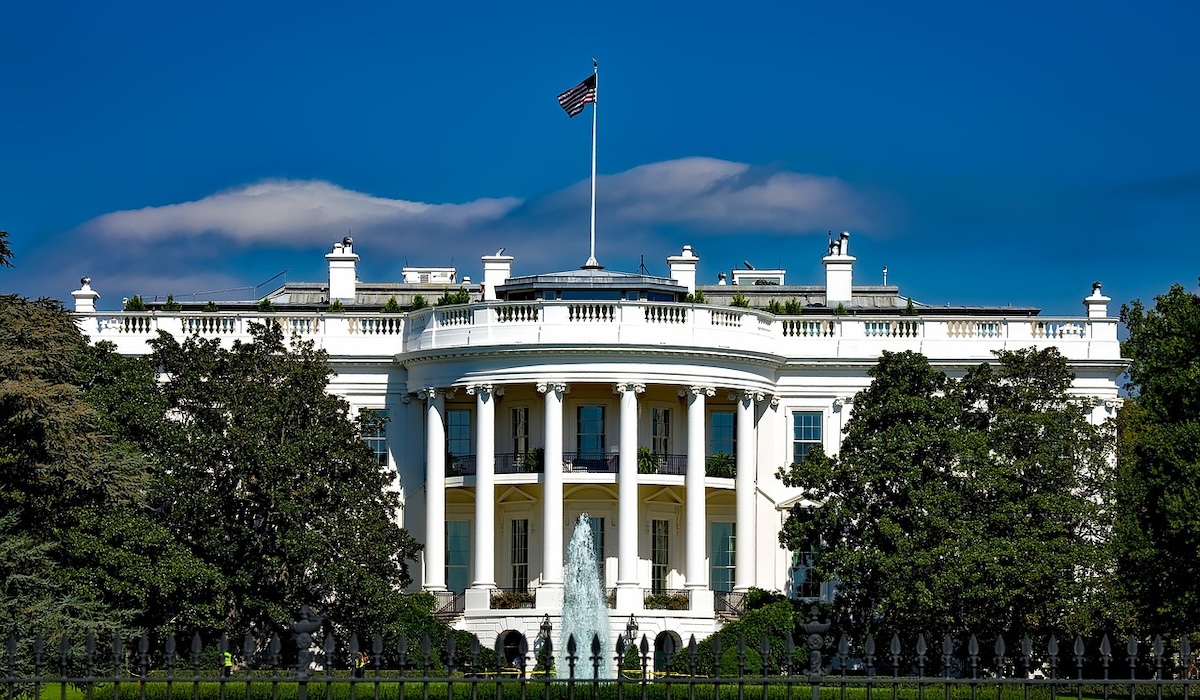
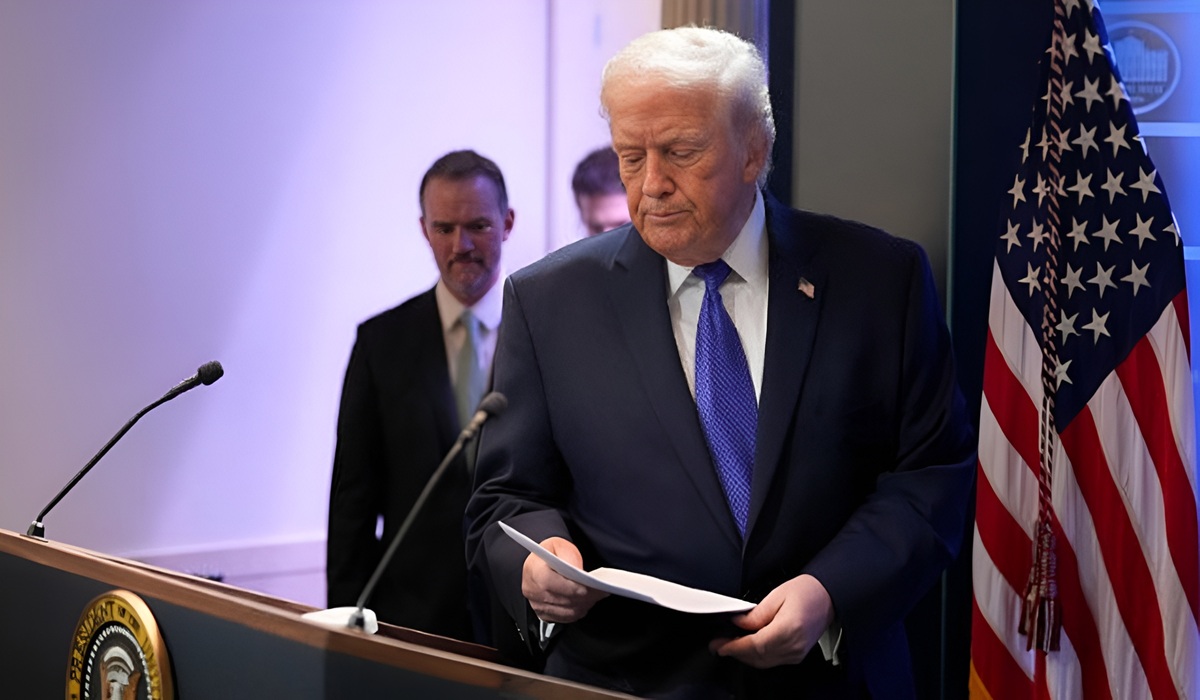
The United States remains at the center of global political attention as Donald Trump’s administration continues pushing aggressive economic nationalism while simultaneously navigating mounting international tensions. What once appeared to be temporary political disruption has now evolved into a much broader restructuring of how America approaches trade, foreign policy and global influence.
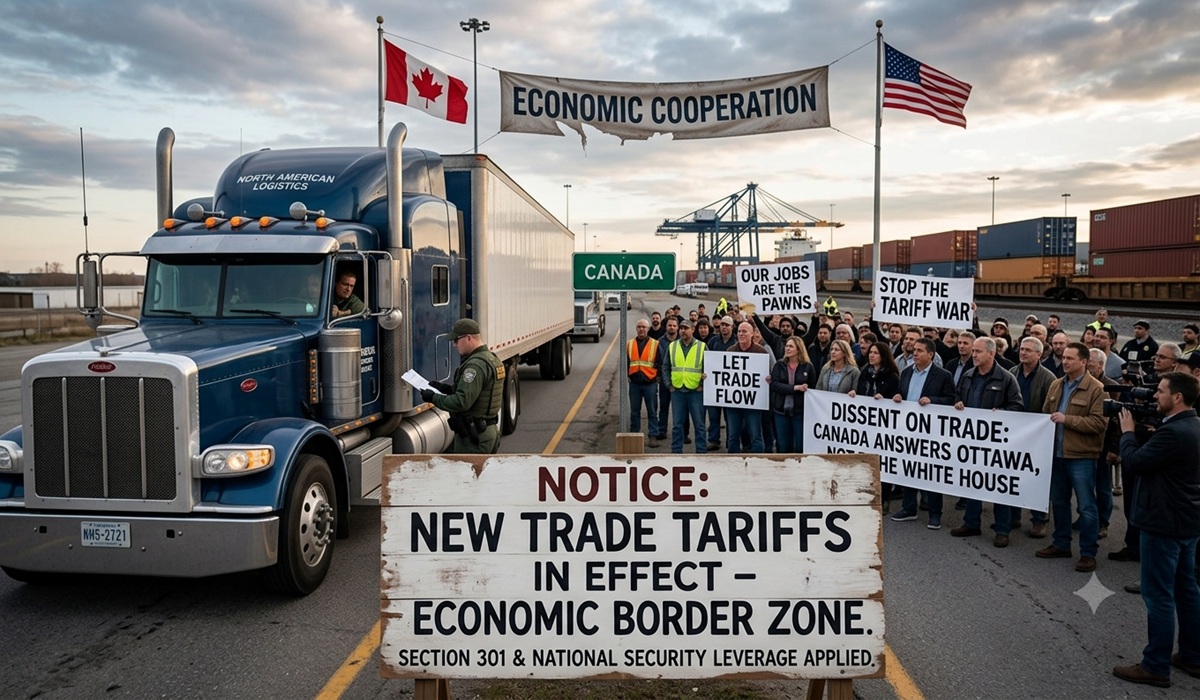
One of the biggest stories dominating discussions right now is the ongoing legal and economic battle surrounding tariffs. A major U.S. trade court recently ruled against portions of Trump’s global tariff strategy, arguing that some measures exceeded the legal authority provided under federal trade laws. While the administration plans to continue pursuing alternative tariff mechanisms, the ruling represents another major chapter in a broader economic conflict that has already reshaped supply chains and international trade relationships.
Despite legal setbacks, Trump’s economic philosophy continues to have a significant influence on American policy. His administration has maintained a hard-line stance on manufacturing, imports, and industrial competition, particularly involving China and strategic sectors such as technology, pharmaceuticals, and energy production. Supporters argue the policies are protecting the domestic industry and reducing dependence on foreign rivals. Critics counter that the approach is increasing prices, damaging consumer confidence and creating instability throughout global markets.
Economists remain deeply divided over the long-term impact. Some reports suggest American consumers are increasingly feeling the pressure from prolonged tariff conflicts, while others believe the administration’s approach is successfully forcing companies to bring production back into the United States.
At the same time, the White House is facing growing pressure internationally over the escalating situation involving Iran. Military confrontations in and around the Strait of Hormuz have pushed oil markets into a constant state of uncertainty. American warships recently came under attack in the region, leading to retaliatory U.S. strikes against Iranian targets.
Although both sides are reportedly discussing ceasefire frameworks and possible diplomatic agreements, tensions remain extremely fragile. Oil prices have fluctuated sharply as investors attempt to determine whether the conflict is moving toward resolution or a wider regional escalation.
Beyond foreign policy, artificial intelligence is becoming another defining issue across the United States. Major corporations continue investing heavily into AI systems while simultaneously reducing portions of their workforce. Financial institutions and cybersecurity experts are increasingly warning that the technology is advancing faster than regulations and safeguards can keep pace with.
Politically, the country remains deeply polarized. Every major issue, from trade and immigration to military intervention and energy policy, has become part of a broader ideological divide that shows little sign of easing. Yet despite the chaos, the United States continues maintaining enormous influence over global economics, military affairs and financial markets. Decisions made in Washington still ripple across nearly every major country on earth.
What is becoming increasingly clear is that America is no longer simply managing the global order. It is actively redefining it in real time, and allies, rivals and markets alike are all being forced to adapt to that reality.
About The Author