Historic Heat Wave Sweeps Across America Ahead of Fourth of July Weekend
- Ingrid Jones
- U.S.A
- July 3, 2026

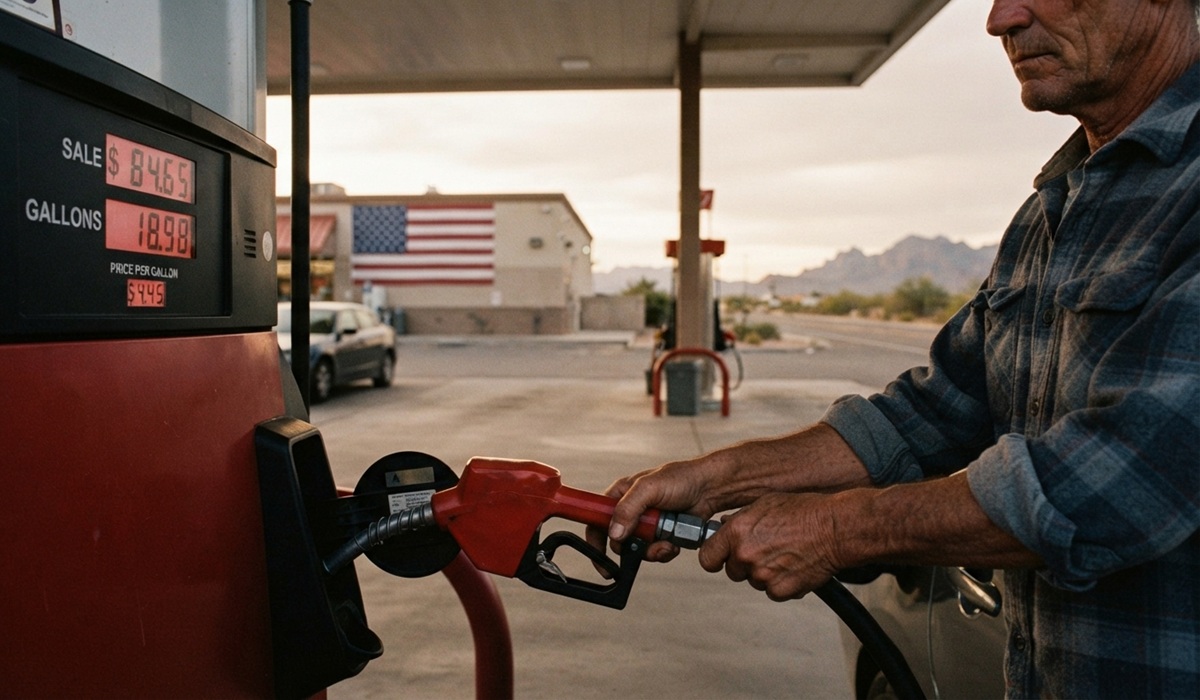
As millions of Americans prepare to celebrate Independence Day, much of the United States is instead focused on something far less festive: an intense and potentially dangerous heat wave that has settled over large portions of the country. From the Midwest to the East Coast, soaring temperatures and oppressive humidity are creating hazardous conditions, prompting weather alerts, health warnings, and changes to public events.
Forecasters say the extreme weather is being driven by a large, slow-moving dome of high pressure that has trapped hot air over much of the country. The system is allowing temperatures to climb well above seasonal norms while preventing cooler air from moving in. In many communities, daytime highs are expected to surpass 38°C, while the humidity will make it feel several degrees hotter.
Public health officials are urging residents to take precautions as millions head outdoors for barbecues, fireworks displays, concerts, and family gatherings. Medical experts warn that prolonged exposure to excessive heat can quickly lead to dehydration, heat exhaustion, or heat stroke, particularly among seniors, young children, and people with underlying health conditions. Communities across several states have opened cooling centres and expanded emergency services to assist vulnerable residents.
The weather has already begun disrupting holiday plans. Some municipalities have shortened or postponed outdoor celebrations, while others have increased the number of shaded rest areas, misting stations, and free water distribution sites. Event organizers are balancing the desire to continue traditional Fourth of July festivities with the responsibility of protecting public safety.
The transportation sector is also feeling the effects of the prolonged heat. Airlines are closely monitoring aircraft operations at some airports, while rail operators are watching tracks that can expand under extreme temperatures. Highway officials are reminding motorists to ensure their vehicles are prepared for long-distance travel by checking coolant levels, tire pressure, and emergency supplies before heading out on the road.
Utility providers are preparing for record electricity demand as millions rely on air conditioning to stay cool. In several regions, consumers have been asked to reduce electricity use during peak afternoon hours to help ease pressure on the power grid. While utilities say they remain confident in the system’s reliability, officials acknowledge that sustained periods of extreme heat always increase the risk of localized outages.
Meteorologists say isolated thunderstorms may develop around the outer edges of the heat dome in the coming days. While those storms could provide brief relief from the heat, they may also produce heavy rainfall, damaging winds, and localized flooding in some areas.
Climate researchers note that heat waves have become more frequent and more intense in many parts of the United States over the past several decades. Although individual weather events cannot be attributed to a single cause, scientists continue studying the relationship between rising global temperatures and the increasing frequency of prolonged extreme heat.
For now, officials are encouraging Americans to enjoy the holiday responsibly by staying hydrated, limiting strenuous outdoor activity during the hottest part of the day, checking on neighbours and relatives, and never leaving children or pets unattended in parked vehicles. With one of the busiest travel weekends of the year underway, public safety agencies say a little preparation can go a long way toward ensuring everyone enjoys a safe Independence Day celebration.
About The Author