Federal Judge Blocks Trump Executive Order Targeting Mail-In Voting
- Ingrid Jones
- U.S.A
- June 25, 2026
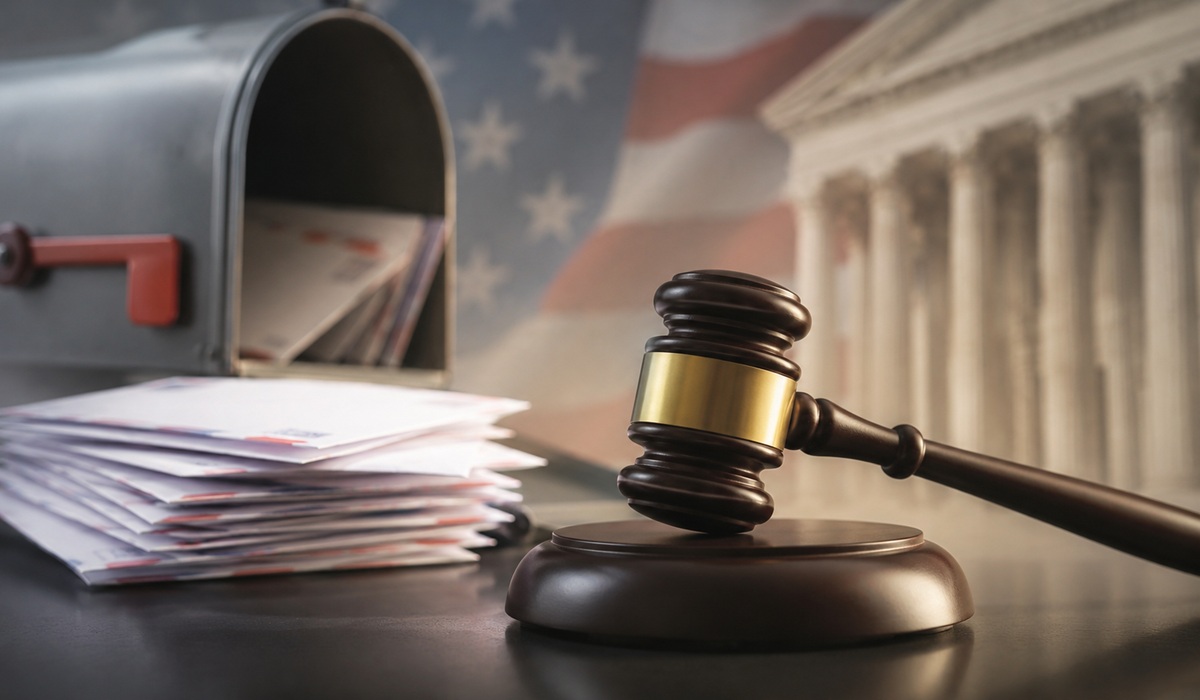
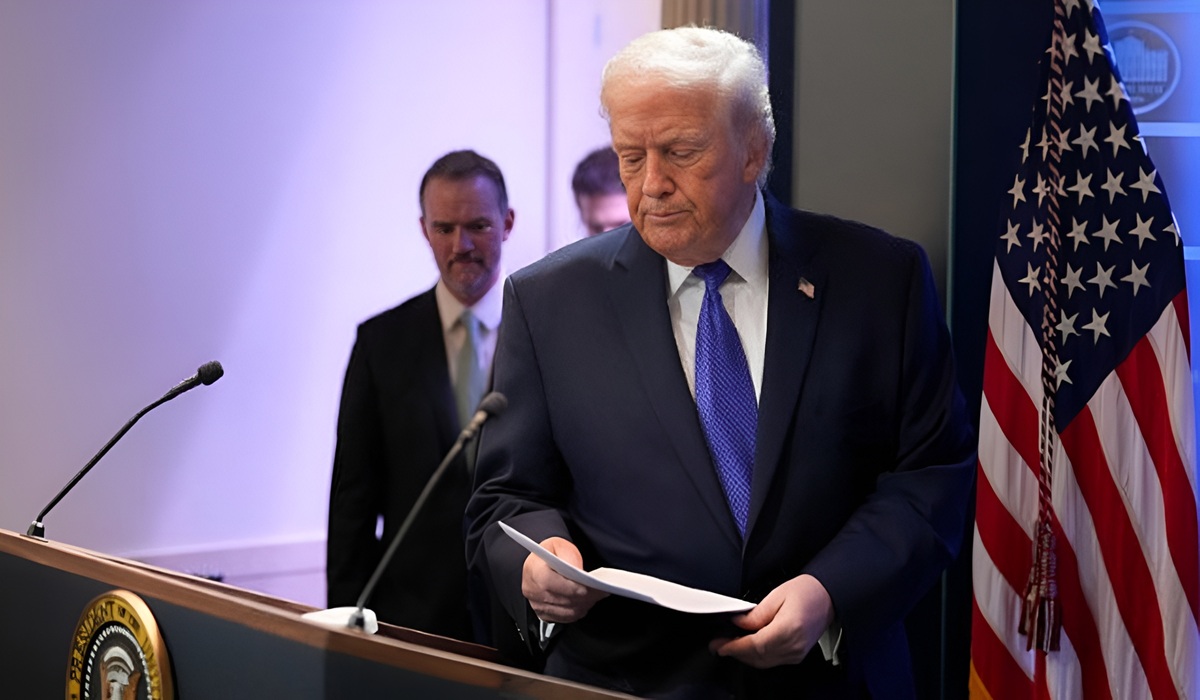
A federal judge has temporarily blocked a key portion of President Donald Trump’s executive order aimed at changing how mail-in voting is handled in the United States, marking the latest legal challenge surrounding election administration and presidential authority. The decision prevents the federal government from enforcing measures that critics argued would fundamentally alter the way states conduct elections and how mail ballots are delivered.
The ruling comes after a coalition of states and voting rights organizations challenged the executive order in court, arguing that the President had exceeded the constitutional powers of the executive branch. They contended that the administration of elections has historically been a responsibility shared between the states and Congress, not one that can be unilaterally changed through executive action.
At the heart of the dispute was an order directing federal agencies to establish new voter verification procedures and requiring the United States Postal Service to limit the handling of mail ballots for states that failed to comply with those new standards. The administration argued the measures were intended to strengthen election integrity by ensuring only eligible citizens receive mail ballots and by creating greater consistency in how ballots are tracked and processed.
Supporters of the executive order have maintained that Americans deserve confidence in the election system and that stronger safeguards are necessary to protect against potential fraud. They argue that verifying voter eligibility before ballots are mailed improves transparency and helps preserve public trust in federal elections.
Opponents, however, viewed the order as a significant expansion of presidential authority. They argued that federal databases are not always complete or up to date and warned that relying on those records could prevent eligible voters from receiving mail ballots. Election officials also expressed concern that last-minute changes to established voting procedures could create confusion among voters and place additional strain on election administrators preparing for upcoming elections.
The Postal Service became a central focus of the lawsuit because the executive order would have required it to withhold or restrict certain election mail based on whether individual states complied with the new federal directives. Critics argued that such a move would transform the Postal Service from a neutral mail carrier into an active participant in determining how elections are conducted, a role it has traditionally not played.
In issuing the injunction, the federal judge concluded that the plaintiffs had demonstrated a strong likelihood of succeeding on the merits of their constitutional claims. The court found that while the federal government has certain responsibilities related to elections, the Constitution gives primary authority over election administration to the states, with Congress retaining the power to establish nationwide election rules when necessary. The President, the court suggested, cannot independently create new election requirements simply by signing an executive order.
The decision does not permanently strike down the executive order. Instead, it temporarily blocks enforcement while the broader lawsuit continues through the courts. That means states will continue administering mail-in voting under their existing laws unless a higher court reaches a different conclusion or Congress enacts legislation changing federal election procedures.
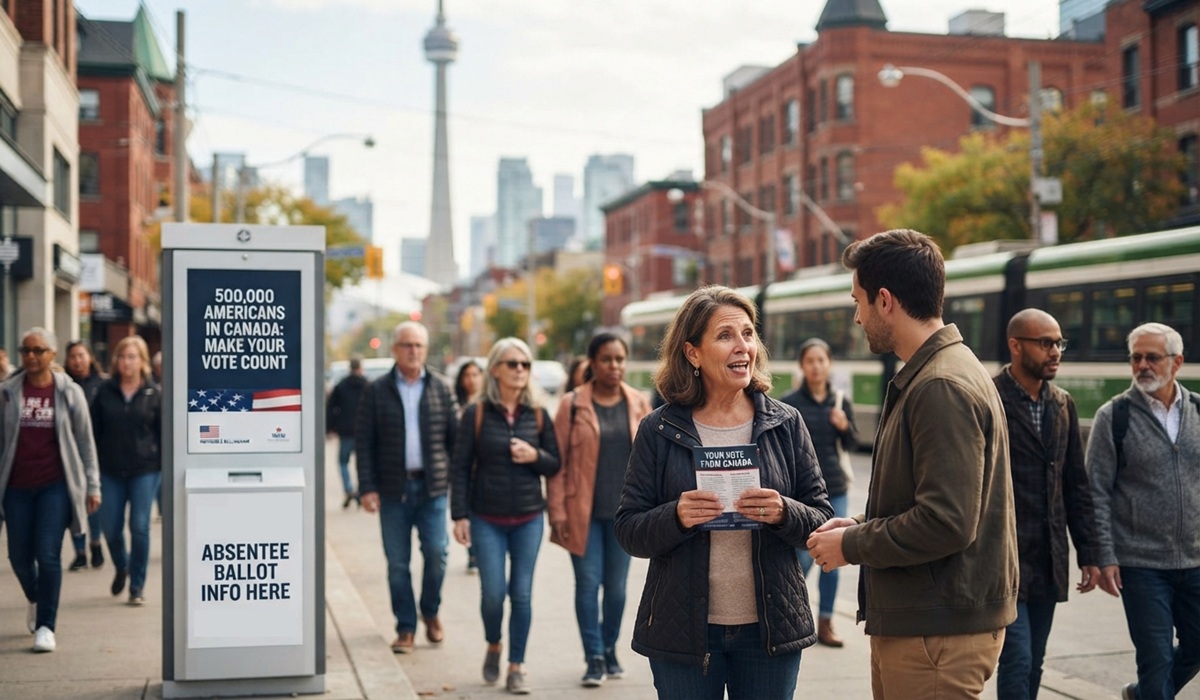
The ruling is another reminder of the ongoing legal and political debate over mail-in voting, an issue that has remained highly contentious since the 2020 presidential election. Supporters of expanded absentee voting argue it increases voter participation by making elections more accessible for seniors, military personnel, people with disabilities, and those who cannot vote in person. Those favoring tighter restrictions contend that additional safeguards are necessary to ensure public confidence in election outcomes, even though documented cases of widespread voter fraud involving mail ballots have remained relatively rare.
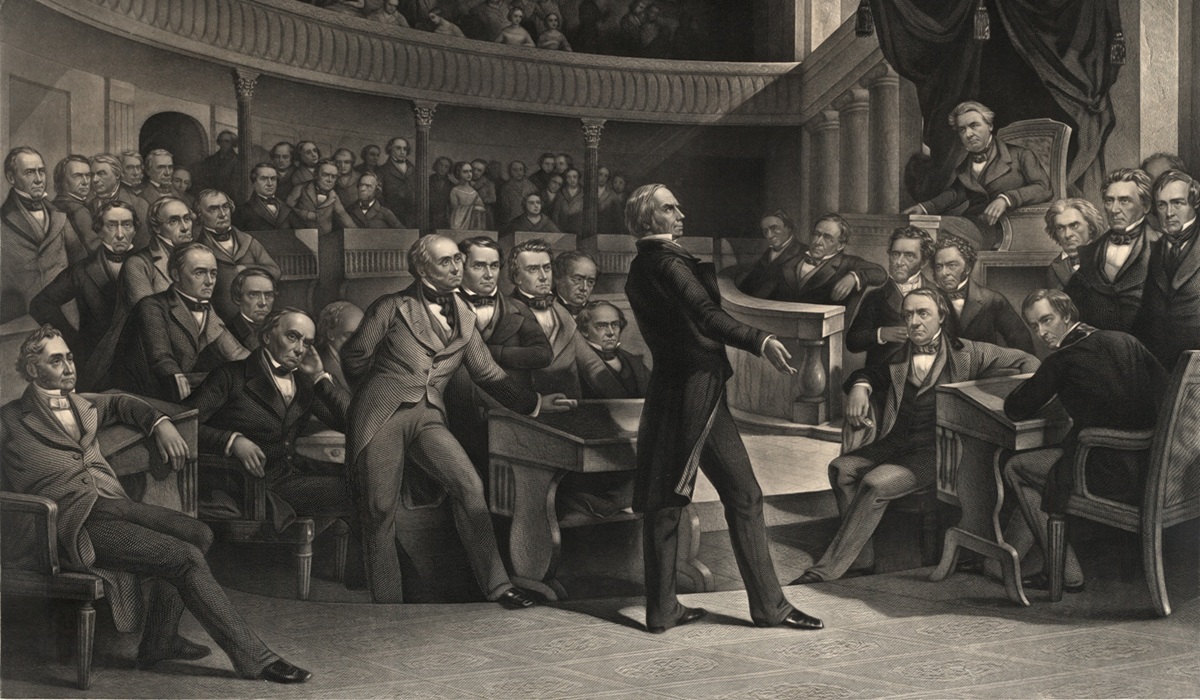
The case also highlights the continuing tension between state and federal authority. Under the U.S. Constitution, states have traditionally been responsible for determining how elections are administered, while Congress has the authority to establish national standards in certain circumstances. Courts have repeatedly been asked to determine where those constitutional boundaries lie, particularly when federal officials seek to influence state election procedures.
Legal experts believe the dispute is far from over. The Trump administration is expected to appeal the ruling, raising the possibility that the case could eventually be considered by a federal appeals court or even the United States Supreme Court. Because the issues involve constitutional questions about executive authority and election administration, the outcome could have lasting implications well beyond the current election cycle.
Regardless of where one stands on mail-in voting, the court’s decision reinforces a fundamental constitutional principle: major changes to the nation’s election system are generally expected to come through legislation passed by Congress or through state governments, rather than by executive order alone. As the legal battle continues, the case is likely to remain one of the most closely watched election law disputes in the country, with implications for voters, state governments, and the balance of power between the executive branch and the states.
About The Author