Modern engines operate under tighter demands than ever before. Drivers expect smoother acceleration and stronger fuel economy from vehicles built with smaller components and more complex systems. Manufacturers continue shrinking engine size while increasing power output, which places greater stress on internal components during daily driving. When lubrication loses its ability to protect moving parts, those pressures begin affecting performance in ways many drivers don’t immediately recognize.
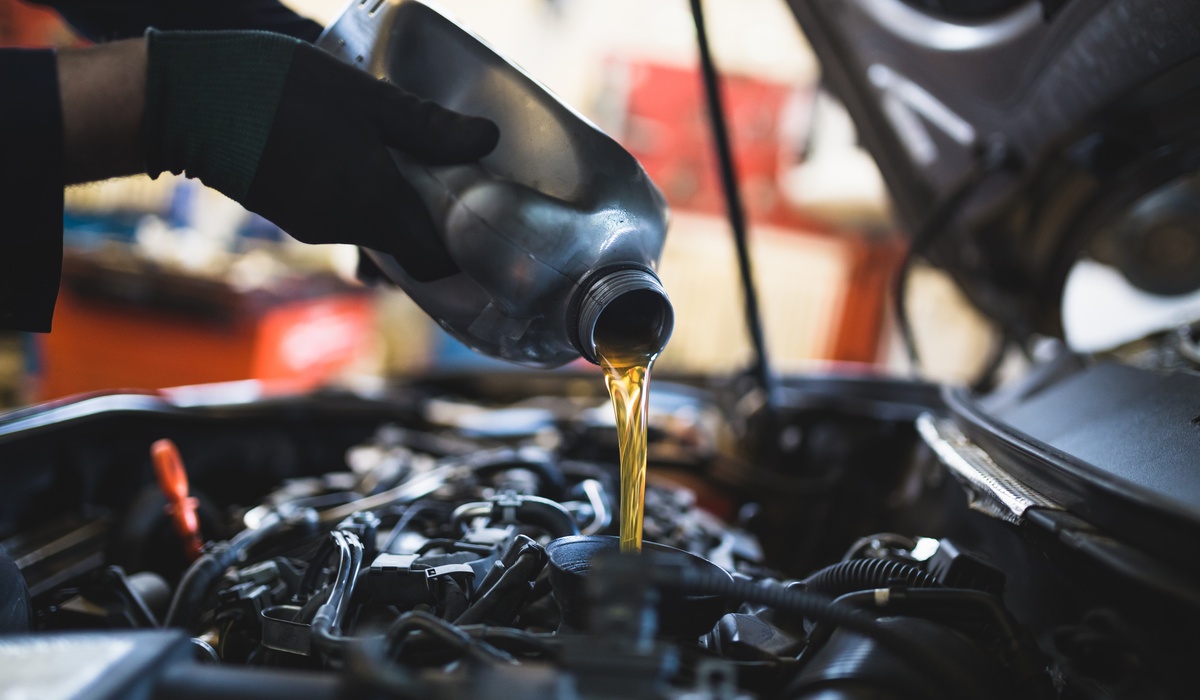
Many people still think engine oil serves one simple purpose. They picture lubrication as a basic layer that keeps metal surfaces from grinding together. Modern engines require far more precision than older designs, which means lubrication needs to effectively support systems tied to combustion efficiency and emissions control. Once contamination enters the oil system, the engine starts losing stability from the inside outward.
This problem is higher when you account for people keeping their vehicles longer than they once did. Rising vehicle prices and economic uncertainty have changed ownership habits across the country. Drivers now depend on long-term reliability instead of short replacement cycles, especially when maintenance costs already strain household budgets. Clean lubrication has become part of a larger conversation about financial sustainability and responsible ownership.
Modern car engines leave almost no room for neglect. Internal tolerances have narrowed dramatically over the past decade, particularly in turbocharged engines and direct injection systems. Oil must move quickly through extremely small passages while maintaining stable viscosity under intense temperatures. Dirty or degraded oil disrupts circulation and increases friction across sensitive components.
Those problems rarely announce themselves immediately. An engine can continue running while wear slowly spreads beneath the surface. Drivers may notice rougher startup conditions or increased engine noise without realizing lubrication contamination sits at the center of the issue. By the time warning lights appear, damage has often progressed much further than expected.
Heat intensifies those conditions. Smaller engines now produce higher power output than larger engines from previous decades, which creates more concentrated thermal stress. Oil absorbs much of that pressure during operation, but contaminated oil loses its ability to regulate temperature effectively. Once heat begins overwhelming lubrication performance, metal surfaces experience greater friction and increased long-term wear.
Traffic patterns also contribute to lubrication breakdown. Urban driving forces engines through constant stop-and-go cycles that prevent stable operating conditions. Short trips create another challenge because engines don’t remain hot long enough to burn off moisture and contaminants inside the oil system. Over time, residue thickens into sludge that restricts circulation pathways and weakens internal protection.
Drivers sometimes underestimate the connection between oil cleanliness and emissions performance. Internal friction affects combustion efficiency more than many people realize. When moving parts encounter greater resistance, the engine burns fuel less efficiently and places additional strain on emissions systems already operating under strict regulatory pressure. Cleaner lubrication helps maintain smoother combustion conditions, which supports lower exhaust output.
Public attention toward emissions continues growing because transportation policy now intersects with economic and environmental concerns. Governments tighten efficiency standards while consumers face rising fuel prices and expensive repair bills. Those pressures have shifted maintenance discussions away from short-term convenience and toward long-term mechanical stability. Clean lubrication supports both priorities because it protects engine health while helping preserve operational efficiency.
Lubrication quality also affects combustion efficiency and exhaust output in measurable ways. As oil degrades, friction increases across internal components and places more strain on the engine during normal operation. Carbon deposits, unstable combustion, and restricted oil circulation can gradually influence emissions performance. The relationship between lubrication and exhaust behavior becomes more apparent in engines dealing with higher temperatures and long-term wear.
Contaminated oil also affects timing precision inside modern engines. Variable valve timing systems rely on clean oil pressure to adjust performance under changing driving conditions. Once sludge or debris interferes with circulation, those systems respond less accurately. Drivers may experience inconsistent acceleration, rough idle patterns, or reduced fuel economy without understanding why the engine suddenly feels less refined.
Turbocharged engines face additional challenges because turbo systems depend heavily on stable lubrication. They spin at extremely high speeds and generate intense heat during operation. Clean oil protects bearings and supports temperature regulation under those demanding conditions. Once oil quality deteriorates, turbo wear accelerates rapidly and creates repair costs many drivers never anticipate.
Several conditions place modern lubrication systems under greater pressure during daily operation:
- Heavy traffic and frequent short trips
- High engine temperatures under load
- Delayed oil changes and neglected maintenance
- Contaminants produced during combustion
- Increased stress from turbocharged engines
Each of these conditions affects more than engine lifespan alone. Drivers notice changes in drivability when lubrication quality declines. Engines become louder during startup, acceleration loses smoothness, and fuel consumption begins rising gradually. Because these changes develop slowly, many people normalize them instead of recognizing them as warning signs.
Clean lubrication also influences public confidence in modern automotive technology. Consumers increasingly question whether newer engines can maintain long-term reliability under growing regulatory pressure. Manufacturers promise better efficiency and lower emissions, yet many drivers worry those improvements come at the cost of durability. Lubrication quality plays a major role in determining whether modern engines can sustain performance across extended ownership periods.
The issue carries broader implications beyond individual vehicles. Transportation infrastructure depends on reliable personal mobility across millions of households. When maintenance costs rise sharply because preventable engine wear shortens vehicle lifespan, financial pressure spreads beyond repair shops and dealerships. Families absorb those costs directly through higher ownership expenses and premature vehicle replacement.
Drivers don’t need advanced technical expertise to recognize when lubrication problems begin affecting performance. Engines communicate deterioration through subtle but consistent changes in operation. Louder idle conditions, declining fuel economy, and unstable acceleration all point toward internal stress building. Paying attention to those signals creates an opportunity to protect the engine before deeper mechanical failures emerge.
Modern engines demand more precision than any previous generation of vehicles. Cleaner lubrication supports that precision by preserving stable circulation, reducing friction, and protecting systems built around extremely tight tolerances. Long-term reliability no longer depends only on whether a vehicle runs today. It depends on the conditions developing inside the engine mile after mile, long before major problems force drivers into costly decisions.
About The Author