Ottawa Eliminates Corporate Human Rights Watchdog, Sparking Debate Over Accountability Abroad
- Naomi Dela Cruz
- Business
- Tiger's Eye Advisory Group - Trending News
- June 16, 2026
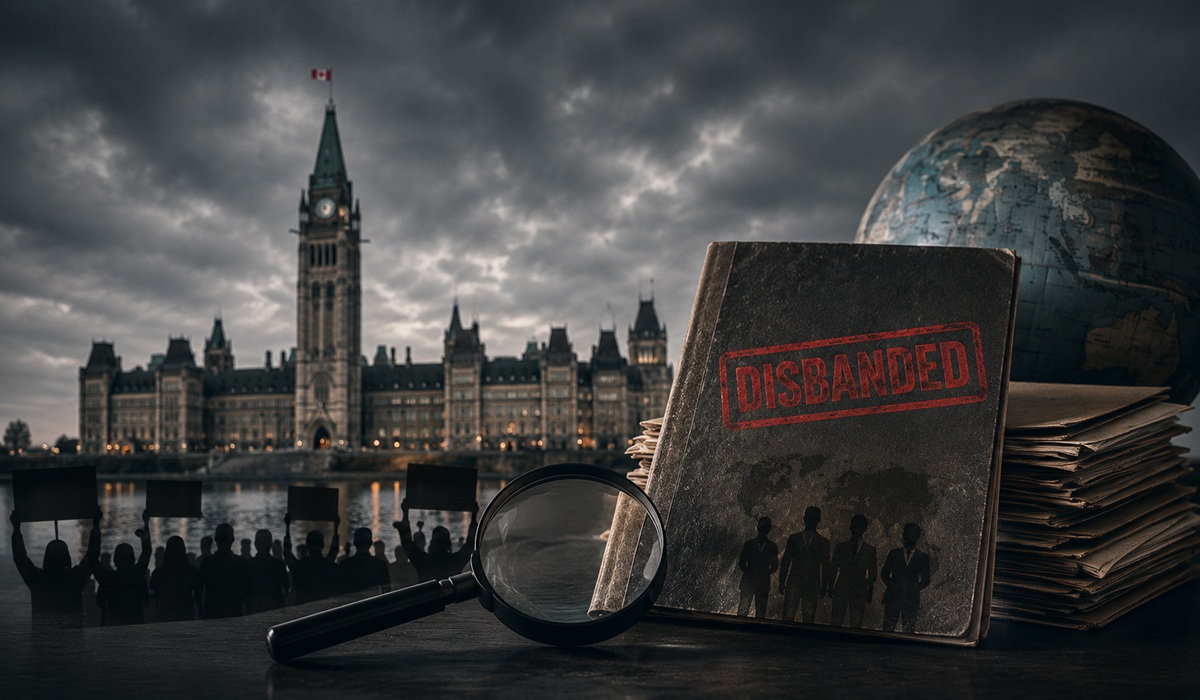
The federal government’s decision to eliminate Canada’s corporate human rights watchdog has triggered a national debate about accountability, oversight, and the role Canadian companies play around the world.
The office known as the Canadian Ombudsperson for Responsible Enterprise was created to investigate allegations of human rights abuses connected to Canadian companies operating abroad. Its mandate focused primarily on sectors such as mining, oil and gas, and garment manufacturing, industries that often operate in countries where labour protections and human rights standards differ significantly from those in Canada.
Supporters of the office argued that it provided an important mechanism for examining allegations involving Canadian companies and ensuring that concerns raised by workers, communities, and advocacy groups received independent review. Critics, however, maintained that the office lacked meaningful enforcement powers and often struggled to achieve concrete results.
The Carney government has now decided to shut the office down, arguing that the existing structure was ineffective and that new approaches are needed to improve accountability. Government officials have suggested that resources currently devoted to the watchdog could be redirected toward stronger compliance measures and alternative oversight mechanisms.
The move has been met with immediate criticism from several human rights organizations. Opponents argue that eliminating the office sends the wrong message at a time when global supply chains are facing increased scrutiny. They contend that Canadian companies operating internationally should remain subject to transparent oversight, particularly in industries where allegations involving labour conditions, environmental impacts, and community relations frequently arise.
The issue is especially significant because Canada is home to a large number of multinational resource companies. Canadian mining firms alone operate projects across Latin America, Africa, Asia, and other regions where questions about environmental stewardship, Indigenous rights, worker protections, and local community impacts can become highly contentious.
Business groups have generally taken a more measured view. Some industry representatives have long argued that the ombudsperson’s office created uncertainty without possessing the legal authority necessary to resolve disputes effectively. Others have suggested that companies already face substantial oversight through domestic laws, international agreements, investor scrutiny, and market pressures.
The debate highlights a broader challenge facing governments around the world. As companies expand globally, questions increasingly arise about who should investigate allegations of misconduct and what standards should apply when businesses operate across multiple jurisdictions. Human rights advocates often argue for stronger international accountability, while industry groups caution against overlapping regulations that can create confusion and discourage investment.
For Canada, the closure of the watchdog represents more than an administrative decision. It reflects a larger conversation about the country’s role in promoting responsible business practices internationally and balancing economic competitiveness with ethical obligations.
Whether the government’s replacement measures prove more effective remains to be seen. What is clear is that the decision has reopened long-standing questions about corporate responsibility, transparency, and how Canada chooses to project its values on the global stage.
Both supporters and critics agree on one point: the scrutiny facing multinational corporations is not going away. As consumers, investors, and governments demand greater accountability, the challenge for Ottawa will be determining what system replaces the watchdog and whether it can deliver the oversight that Canadians expect.
About The Author