When Elders Are Gone, Their Stories Must Remain
- Contributor
- Tiger's Eye Advisory Group - Trending News
- Indigenous
- June 15, 2026
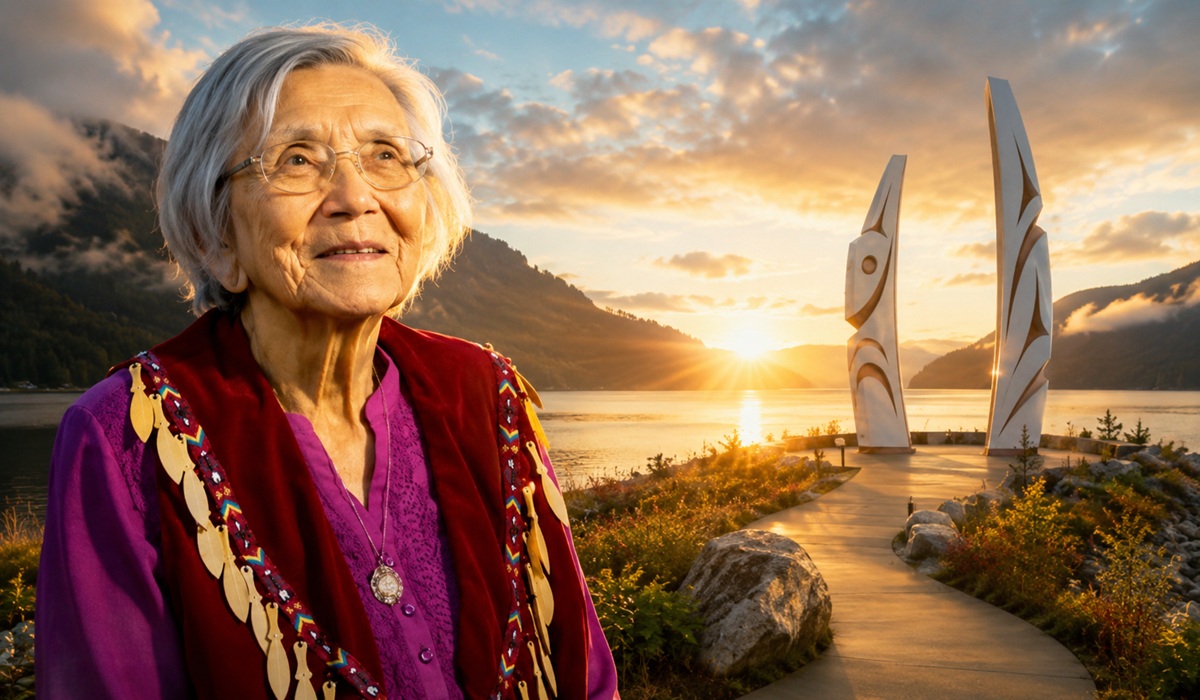
By: Laura Guzman, Aria Consulting
[email protected]
“I did not set out to tell my story through a documentary.” – Gwen Harry
For generations, stories in Indigenous communities were shared the way they had always been: gathered in circles, listening, learning, and bearing witness through laughter and tears. Stories were not something watched on a screen. They lived in the voices of grandparents, Elders, aunties, and uncles. They were shared in kitchens, community halls, and family gatherings, where knowledge passed naturally from one generation to the next.
But times change.
Today’s children and grandchildren live in a world shaped by technology, media, and constant streams of information. Indigenous storytellers are finding new ways to continue guiding future generations, reaching them through modern platforms while remaining grounded in culture and truth.
That is why Gwen Harry’s documentary Seeds of Hope matters.
More than a personal story, the film serves as a living record of Indigenous history. While books and memoirs can preserve memories, documentary storytelling offers something unique. It allows viewers to see faces, hear voices, and connect emotionally with experiences that might otherwise be lost with time. For Indigenous communities whose histories have long been carried through oral tradition, that distinction is significant.
Some of the stories shared are not easy to hear.
Like many Indigenous people of her generation, Harry attended residential school. She was taken from her family and community at the age of five and placed within a system designed to separate Indigenous children from their languages, cultures, and identities. She lived during a period when Indigenous peoples experienced restrictions on their freedoms and when decisions affecting their lives were often made by government officials rather than guided by their own communities.
These are difficult memories.
Yet they are necessary ones.
Reconciliation cannot exist without truth, and truth cannot exist without stories. Understanding Canada’s history requires listening to those who lived it. The experiences of Survivors are not simply chapters in a history book; they are lived realities that continue to shape families and communities today.
Yet Harry’s story is not defined solely by hardship. It is equally a story of action.
Throughout her life, she worked alongside remarkable women, families, and community leaders who believed change was possible. When the vision for Totem Pole Preschool emerged, they pursued it. When obstacles appeared, they persisted. When they saw Indigenous children struggling within education systems that were failing them, they acted.
Together, they helped establish Totem Hall Preschool and Head Start in the 1960s, when residential schools were still operating.
Their efforts were never about individual recognition. They were about community.
They were made possible through collaboration between First Nations and non-First Nations allies – neighbours, volunteers, educators, and families who shared a belief that children deserved every opportunity to succeed. People came together, identified a need, and worked collectively to create solutions.
That lesson remains as important today as it was then.
Communities are strengthened when people work together. Progress happens when individuals move beyond discussion and commit to local action. Whether the goal is supporting children, strengthening families, preserving culture, or creating opportunities for future generations, meaningful change requires all of us working together.
Harry’s documentary also challenges society to reconsider how knowledge is valued.
The wisdom carried by Elders comes from lived experience. It is shaped by teachings passed down through generations, perseverance through difficult times, the building of stronger communities, and a commitment to carrying those lessons forward for future generations.
In many ways, the documentary is not about one person.
It is about the women whose contributions often went unrecognized. It is about families who persevered through adversity. It is about communities that worked tirelessly to create better opportunities for their children. It is about relationships built between Indigenous and non-Indigenous people working toward common goals. Above all, it is about people helping people.
Most importantly, it is about ensuring these stories continue long after today’s Elders are gone.
Because Indigenous deserves to be heard, remembered, and understood.
One day, the generation that carries these memories firsthand will no longer be here to tell them. Through projects like Seeds of Hope, however, their voices will remain.
And so will the truths they entrust to future generations.
About The Author