Beyond the Groundbreaking: Don Woodstock and the True Spirit of Homes for Heroes
- TDS News
- Tiger's Eye Advisory Group - Trending News
- July 31, 2026
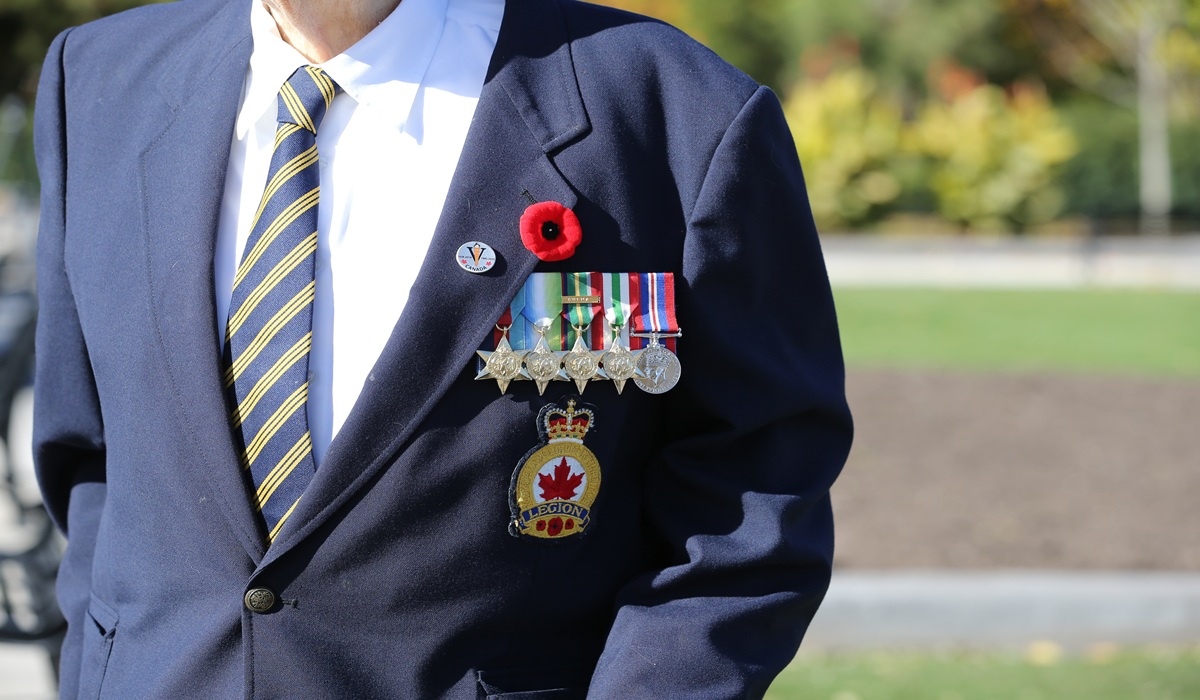
Image Credit, timokefoto
When a community project finally breaks ground, it is easy to look at the ceremonial shovels, the gleaming hard hats, and the speeches as the beginning of the story. But every milestone in a city has a foundation laid long before the cameras arrive—and often, the people who poured the concrete are nowhere near the ribbon-cutting.
For Winnipeg, the arrival of Homes for Heroes, an organization dedicated to building tiny home villages to transition veterans off the street with comprehensive, wrap-around rehabilitation services is a vital triumph. Yet the journey of bringing this vision to life required a massive test of grit, endless networking, and doors slammed shut before a single shovel hit the dirt. At the heart of that early local advocacy stands Don Woodstock.
The roots of this effort trace back to 2018 at a Homeless Veterans Summit in Ottawa, where a meeting took place with Dave Howard, then President and CEO of Homes for Heroes. Back in 2016, Dave had come to Winnipeg and met with Mayor Brian Bowman and CFO Scott Gillingham, a former pastor. Dave wanted to honor Tommy Prince Sr. Canada’s most decorated Indigenous military person by opening the very first Homes for Heroes site in the country right here in Winnipeg.
Despite the clear and vital benefit to the community, the administration turned Mr. Howard away, leaving him to spend six months of his own time and money traveling back and forth from Alberta, only to be told after months of bureaucratic runaround that there was no land and no way to accommodate the net-zero cost project. That is where Don’s relentless grassroots advocacy stepped in to help shift the momentum.
Determined to save the initiative, Don went to work. Contacting Tommy Prince Jr. brought direct family legacy into the fold. Together, they went door-to-door on Battery Street and Sargent Avenue with a petition, securing over 75% signature approval from local residents to utilize a parcel of land at the Sargent Tommy Prince Park. When that proposal was taken to City Hall, the institutional resistance remained heavy. City officials were handed the petition but showed little to no interest in championing the cause.
Persistence finally broke through when a change in the political landscape and a willing ear finally gave the project a chance. Through Don’s sheer determination, key meetings were coordinated, bringing leadership together to prove that finding a piece of land was entirely possible laying the direct groundwork for what has ultimately materialized today beside the Transcona Library as the new site of Homes for Heroes.
Dave, the former CEO of Homes for Heroes later acknowledged Don’s pivotal, vital role in a recent email, confirming his early support in helping the organization first enter the Winnipeg market and making those critical connections. As we look at the recent ribbon-cutting ceremonies and announcements, it is a real pity that Don was not involved in the celebration, having been a strong, staunch advocate who fought to see the program take flight in our city.
Today, this mission feels more paramount than ever. As our communities face compounding crises, we desperately need more affordable housing and a much stronger commitment from all levels of government to step up with comprehensive, accessible addiction programs. A tiny home is a life-changing start, but true, lasting stability requires a society and a government willing to wrap around our most vulnerable citizens with housing and health infrastructure.
Progress is rarely a solo act, and institutional history often glosses over the friction it took to get there. To Don Woodstock, Tommy Prince Jr., and all the early advocates whose behind-the-scenes networking forced the city to pay attention: your efforts built the bridge, and Winnipeg’s veterans are safer because you refused to let the door stay closed.
About The Author