Environmental Stewardship and the Changing Face of East African Conservation
- Xuemei Pal
- Africa
- Tiger's Eye Advisory Group - Trending News
- July 29, 2026
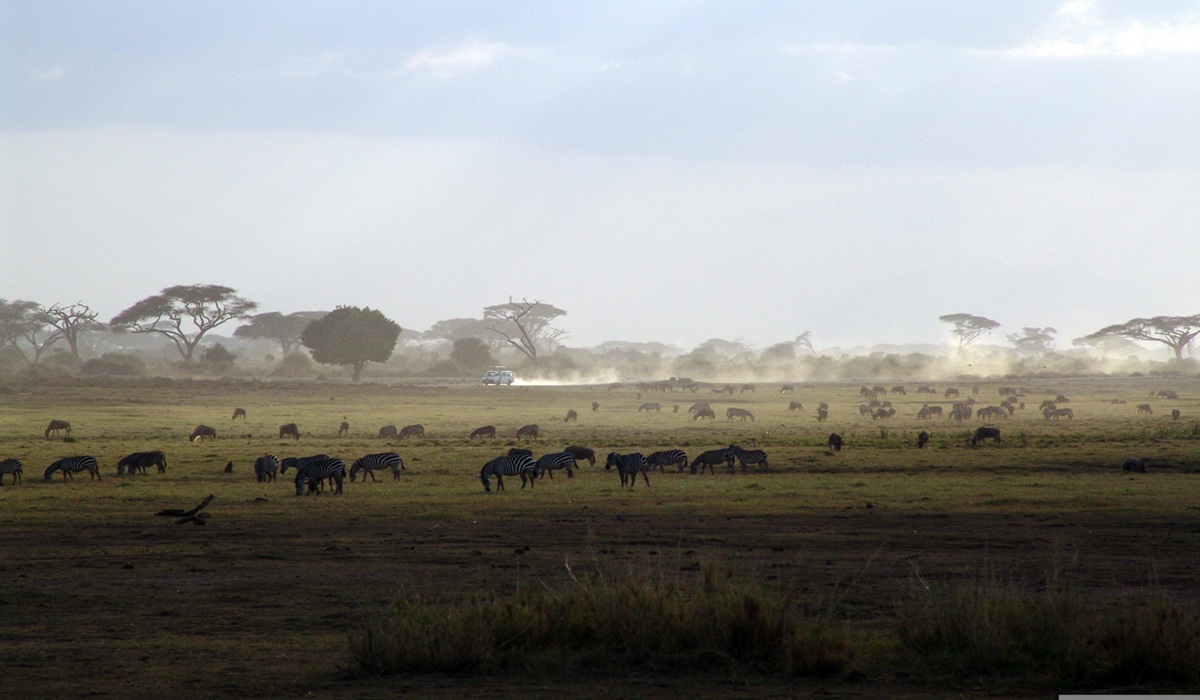
Image Credit: Peggy Marco
In the heart of East Africa, human development, wildlife conservation, and severe climatic fluctuations are converging to force a radical rethink of environmental management strategies. Across Kenya and its neighboring territories, conservation authorities and local communities are confronting unprecedented ecological pressures that challenge long-held paradigms of wilderness preservation. A recent series of sudden environmental shifts and unexplained wildlife mortalities across premier national parks has catalyzed a unified, region-wide scientific response, thrusting sustainable ecological governance back to the top of the international agenda.
For generations, East Africa’s protected wilderness zones operated on traditional models of physical exclusion, fencing off vast tracts of land to isolate iconic fauna from surrounding human settlements. However, the unrelenting expansion of agricultural borderlands, coupled with prolonged weather volatility, has fragmented historic migration corridors. Animals are increasingly forced into constrained, resource-scarce pockets, triggering heightened human-wildlife conflict and unexpected epidemiological vulnerabilities within native animal populations. In response, environmental scientists, local pastoralists, and government policymakers are abandoning old isolated preservation tactics in favor of expansive, community-centered conservation corridors.
This emerging strategy hinges on integrating local populations directly into the economic and operational architecture of environmental stewardship. Rather than viewing neighboring rural villages as peripheral threats to wildlife reserves, new initiatives designate indigenous communities as primary custodians and financial stakeholders of the land. By establishing shared land-use conservancies, local farmers and herders receive direct revenue shares from sustainable eco-tourism, alongside resources to construct predator-proof livestock enclosures. This economic alignment incentivizes indigenous populations to actively protect migratory paths and report ecological abnormalities before they escalate into localized crises.
Furthermore, the integration of advanced field technology is revolutionizing conservation biology across the continent. Wildlife teams are now deploying satellite telemetry, real-time spatial monitoring, and automated field diagnostics to track herd health, monitor vegetation density, and detect early signs of environmental stress. This rapid data collection allows researchers to intervene preemptively when disease outbreaks or water scarcities threaten vulnerable species. As the dual pressures of climate change and economic growth intensify across Africa, this dynamic model of technological oversight and community-led conservation represents a crucial blueprint—proving that the survival of the planet’s most magnificent biodiversity relies entirely on harmony between human livelihoods and wild ecosystems.
The urgency of preserving these continuous migration pathways is underscored by recent judicial rulings and legal precedents established across the region. Higher courts in East Africa have increasingly affirmed the legal standing of community conservancies and protected corridors against unauthorized commercial developments and agricultural encroachments. By upholding regional environmental planning mandates over short-term speculative ventures, the judiciary has provided conservationists with a powerful institutional weapon to ensure that critical wildlife transit zones remain unbroken by industrial infrastructure.
At the same time, the reality that nearly two-thirds of Kenya’s native wildlife resides outside formally designated national parks has completely flipped traditional park-management paradigms on their head. Because wild herds naturally disperse across vast pastoral rangelands in search of seasonal forage and water, the survival of iconic species depends entirely on the permeability of non-protected lands. The establishing of community-managed conservancies across hundreds of thousands of hectares has effectively expanded the protective umbrella of conservation far beyond official state borders. This network demonstrates that sustainable coexistence between traditional pastoralist culture and wild megafauna is not merely a theoretical ideal, but an operational necessity for regional ecological stability.
About The Author