Afghanistan Faces Deepening Humanitarian Crisis
- Ingrid Jones
- Tiger's Eye Advisory Group - Trending News
- September 9, 2026
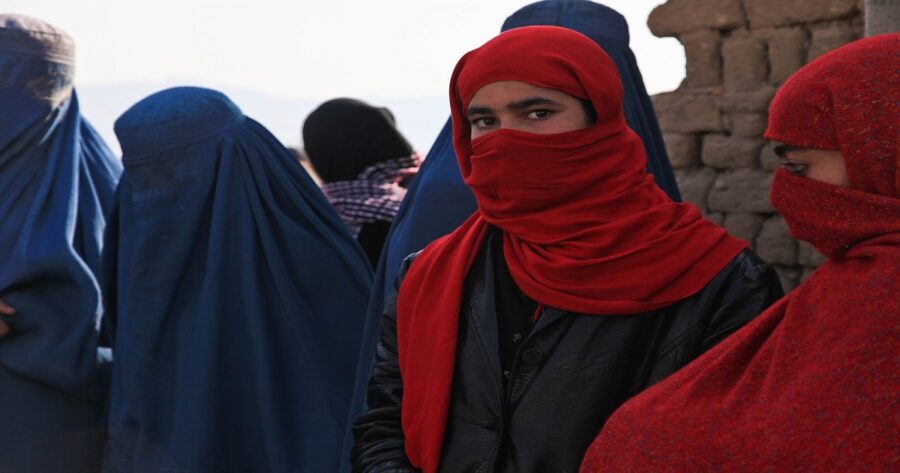
Families across Afghanistan are facing an escalating humanitarian catastrophe driven by relentless displacement, climate shocks, regional conflict, and severe gender discrimination.Jan Egeland, secretary-general of the Norwegian Refugee Council, warned during a visit to the country that the population has been largely abandoned by the international community, leaving millions of vulnerable civilians to navigate deteriorating conditions without adequate support.
While international attention was heavily focused on Afghanistan prior to the withdrawal of NATO forces in August 2021, the country has steadily faded from global diplomatic agendas.Egeland noted that Western nations have largely failed to honor commitments made to the Afghan people, particularly women and girls who continue to bear the heaviest burden of the crisis.Ongoing restrictions imposed by authorities continue to limit female access to education, employment, and public movement, creating compounding vulnerabilities for households that lack basic resources.
The country is simultaneously managing one of the largest return movements globally.Millions of Afghans have returned from neighboring countries like Pakistan and Iran, placing immense strain on local infrastructure, housing, and public services that were already stretched to their limits.Many returnees arrive with virtually nothing, forced to shelter in makeshift dwellings constructed from sticks and packaging materials while facing high unemployment rates and scarce long-term livelihood opportunities.
Humanitarian organizations report that financial support has plummeted drastically.Funding for the United Nations humanitarian response plan has dropped significantly compared to previous years, leaving aid groups with a fraction of the resources required to meet basic survival needs.Agencies are increasingly forced to scale back food distributions, medical care, and winterization support as soaring infant malnutrition rates and climate-related disasters continue to threaten communities nationwide.
Aid officials emphasize that emergency assistance alone cannot solve the systemic pressures facing the country. Meaningful international engagement with local authorities and long-term investments in economic recovery are viewed as essential steps to prevent further suffering and ensure that ordinary civilians do not pay the ultimate price for shifting geopolitical priorities.
About The Author