Why the World’s Strongest Economies Invest in Creativity?
- Naveed Aman Khan
- Pinpoint
- Tiger's Eye Advisory Group - Trending News
- June 15, 2026
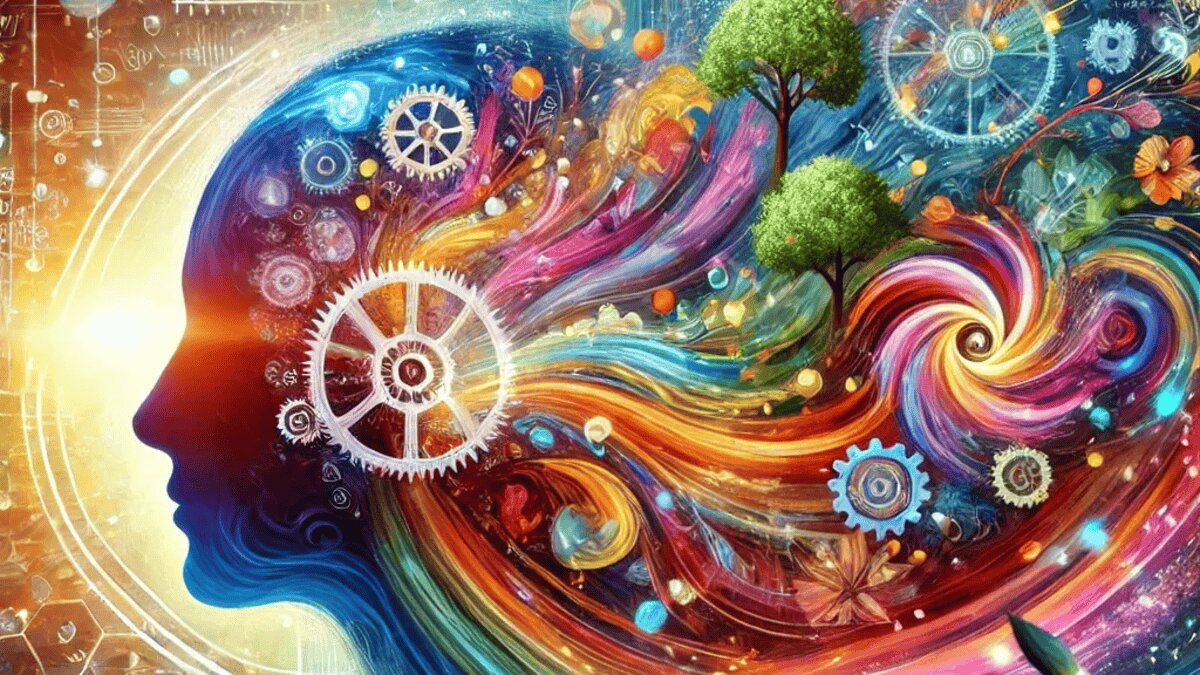
The nations which have achieved sustained prosperity, development, and global influence are those that have successfully nurtured human intelligence, creativity, and innovation. In the modern era, economic progress is no longer determined solely by natural resources, mineral wealth, or strategic geographic location. Instead, the true drivers of development are human capital, knowledge, research, innovation, and creative thinking. This is why the world’s most prosperous economies continue to flourish under the principles of free-market economics, where individuals are encouraged to express their talents, launch new ventures, and introduce groundbreaking innovations.
A free-market economy is an economic system in which the role of the state is relatively limited while the private sector plays a dynamic and leading role. Competition, innovation, and efficiency are considered fundamental pillars of this system. When individuals and businesses operate in an environment of economic freedom, they are motivated to develop new products, services, and business models. This process expands economic activity, creates employment opportunities, and enhances national productivity.
A free-market economy can be compared to a well-maintained garden. Just as a garden requires continuous care, effort, and creativity to remain green and productive, a strong economy thrives through research, innovation, and entrepreneurial ingenuity. Developed nations have discovered the secret of their success by effectively utilizing human intellect. They have created educational and social environments where young people are encouraged to question, think critically, experiment, and explore new possibilities.
The development of creativity extends far beyond science and technology. Literature, fine arts, sports, films, books, and cultural activities also broaden human understanding and stimulate intellectual growth. Societies that promote reading, dialogue, artistic expression, and intellectual engagement create fertile ground for new ideas. These ideas eventually translate into scientific discoveries, business opportunities, and economic advancement. The world’s leading economies have placed critical thinking, creativity, and research at the center of their educational systems, ensuring a continuous cycle of innovation.
There is also a profound connection between free-market economics and democracy. Democratic societies generally uphold freedom of expression, intellectual diversity, and respect for differing opinions. Such an environment encourages the emergence of new ideas. When people are free to share their views and experiences, the exchange of diverse perspectives often leads to better solutions and innovative breakthroughs. By contrast, societies characterized by intellectual rigidity, excessive restrictions, and limited opportunities often struggle to unlock their full creative potential.
In today’s global economy, multinational corporations do not rely solely on financial investment to achieve success. They increasingly view creative leadership as a strategic asset. Leading companies select chief executives and managers who can anticipate future trends, identify emerging markets, and develop products that meet evolving consumer needs. This ability to innovate and adapt explains why some corporations achieve extraordinary global success while others gradually fall behind.
The business world offers countless examples of success and failure.
Organizations that fail to adapt to changing circumstances, technological advancements, and shifting consumer preferences often disappear from the marketplace. Conversely, companies that prioritize innovation, research, and customer needs continue to grow and prosper. The same principle applies to nations. Countries that invest in education, research, and creative capabilities gain a competitive advantage in the global economy.
Promoting a creative economy requires more than academic qualifications. It demands a lifelong commitment to learning. Successful scientists, entrepreneurs, intellectuals, and leaders continuously expand their knowledge through reading, research, and engagement with new ideas. Books, academic journals, newspapers, podcasts, seminars, and conferences expose individuals to fresh perspectives and emerging developments. Deep reflection, thoughtful analysis, and the careful examination of challenges are also essential components of the creative process. Many of history’s greatest inventions and transformative ideas have emerged from such intellectual journeys.
Today, fields such as artificial intelligence, biotechnology, robotics, green energy, and the digital economy are advancing at an unprecedented pace. The countries achieving the greatest success in these sectors are those that have made research and innovation national priorities. The United States, Germany, Japan, South Korea, Singapore, China and other advanced economies have established strong partnerships among universities, research institutions, and the private sector. These collaborations have generated new technologies, industries, and economic opportunities.
However, in the modern world, pure free-market economics alone is no longer viewed as a guarantee of success. Many developed nations have found an effective balance between market freedom and social welfare. Germany, France, the United Kingdom, and the Scandinavian countries have adopted mixed economic models that provide opportunities for private-sector growth while ensuring that the state plays a meaningful role in education, healthcare, research, and social protection. This balanced approach has promoted both economic growth and social justice.
For developing countries such as Pakistan, this path appears particularly relevant. The country possesses a large and youthful population that could become a tremendous asset for national development if provided with quality education, skills training, and meaningful opportunities. Educational systems must be aligned with modern requirements, research and innovation should be actively encouraged, barriers to entrepreneurship should be reduced, and young people should be inspired to embrace creative thinking. At the same time, the state must make effective investments in critical sectors such as education, healthcare, and research.
Ultimately, a free-market economy is more than an economic framework; it is an intellectual and social environment that encourages creativity, innovation, competition, and democratic values. Yet its true success depends on a society’s commitment to education, research, social justice, and human development. The future belongs to those nations that recognize human intelligence as their greatest resource and build their progress upon the foundations of knowledge, creativity, and innovation.
About The Author