The Role of Housekeeping in Industrial Safety Plans
- Casey Cartwright
- Business
- Tiger's Eye Advisory Group - Trending News
- June 10, 2026
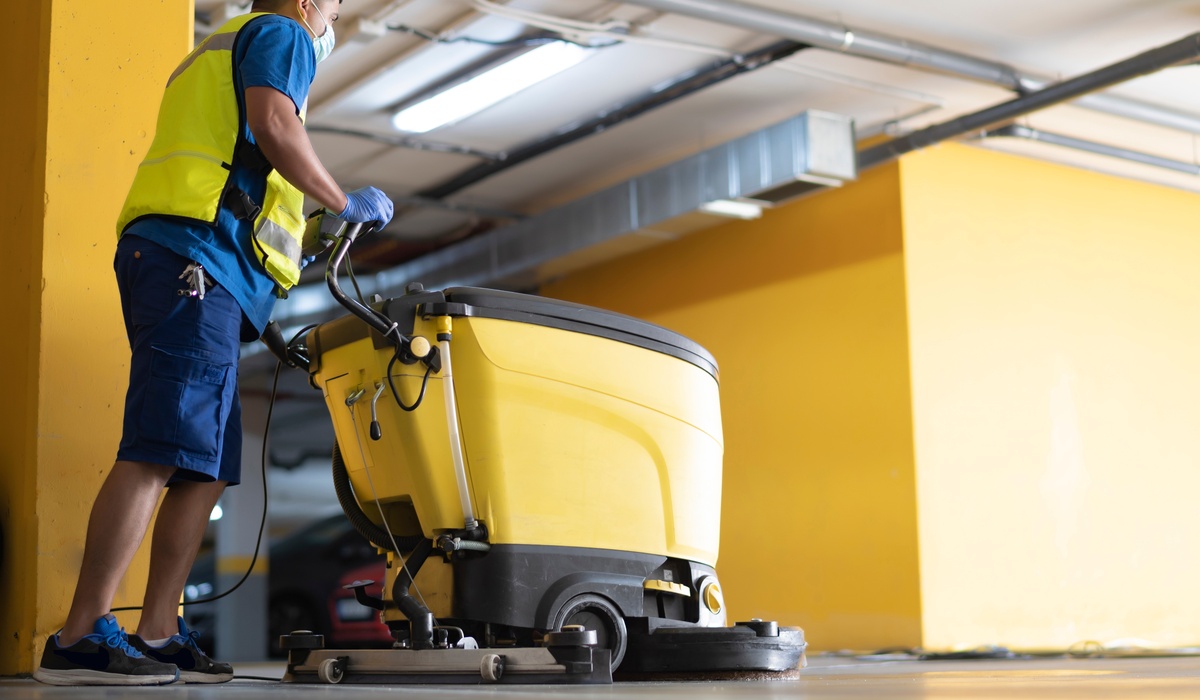
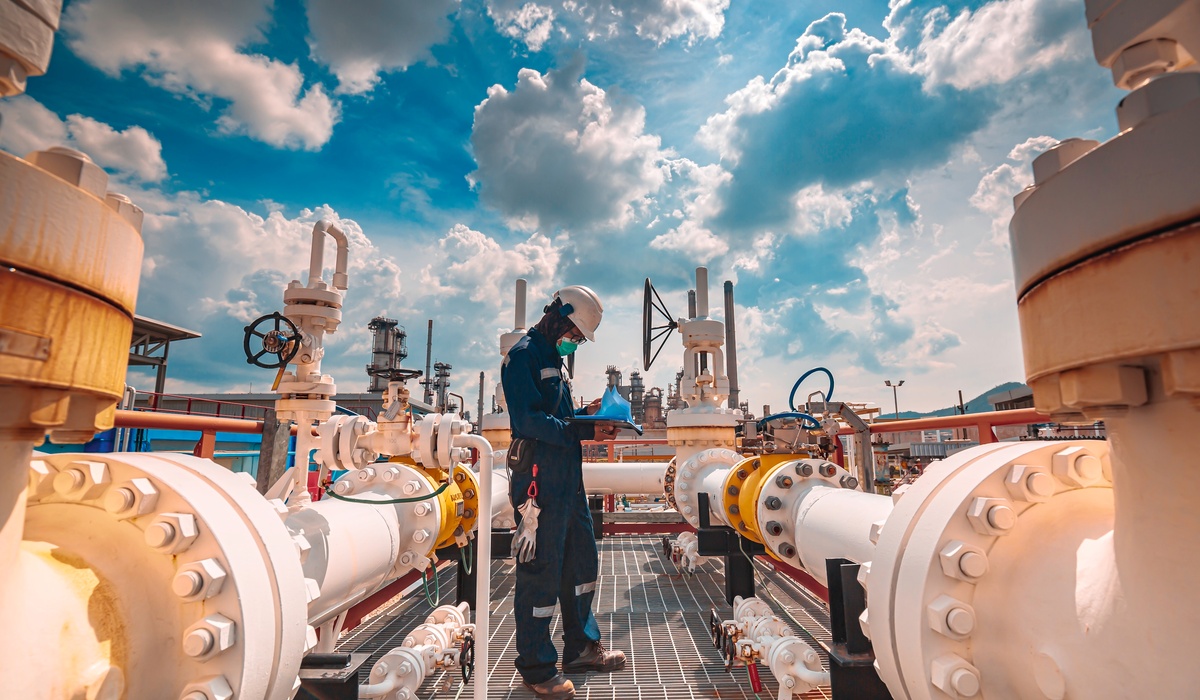
Industrial facilities operate in fast-paced environments where heavy machinery, vehicle traffic, raw materials, and production demands all compete for space. In these settings, safety programs often focus on equipment training and operational procedures. While those factors are essential, housekeeping is another critical component that directly influences workplace safety and operational performance. Clean and organized facilities reduce hazards and create safer conditions for employees across every department.
Many workplace accidents stem from preventable conditions. Dust accumulation, misplaced tools, spills, blocked walkways, and unmanaged debris can quickly create dangerous situations. Even minor housekeeping issues can lead to slips, trips, equipment malfunctions, or fire hazards when left unresolved. Facilities that prioritize routine cleaning and organization are often better prepared to prevent incidents before they occur.
For industrial operations, housekeeping goes beyond simple appearance. It becomes a system that supports productivity and equipment longevity. That is why the role of housekeeping in industrial safety plans has become increasingly important for warehouses, manufacturing plants, processing facilities, and construction operations alike.
One of the most immediate benefits of strong housekeeping practices is hazard reduction. Industrial environments naturally generate dust, scraps, packaging waste, and debris throughout daily operations. Without consistent cleanup procedures, those materials accumulate in work areas and interfere with normal movement. Employees carrying materials, operating forklifts, or working near machinery are placed at greater risk when pathways are obstructed or slippery.
Dust buildup presents additional concerns in many facilities. Fine particles can settle on equipment surfaces, electrical systems, ventilation components, and workstations. Over time, excessive dust accumulation may contribute to overheating, poor air quality, and equipment wear. In certain industries, combustible dust can even create serious fire or explosion hazards if not properly managed. Facilities that maintain structured cleaning schedules are better positioned to reduce these risks before they escalate into major problems.
Equipment performance is another area closely connected to housekeeping. Industrial machinery operates best in clean environments where airflow, moving parts, and electrical systems remain unobstructed. Dust and debris can interfere with sensors, clog filters, damage motors, and reduce efficiency over time. Production slowdowns and costly repairs are more likely to occur when cleaning is treated as an afterthought rather than an ongoing responsibility.
Facility managers often recognize the connection between cleanliness and machinery protection after dealing with unexpected downtime. Operational disruptions affect productivity, employee schedules, and customer timelines. Maintaining cleaner environments can help reduce these interruptions while extending the lifespan of important equipment. Many companies address these concerns by implementing regular sweeping programs and debris management procedures. Understanding the impact of dust and debris on industrial equipment can help you reduce maintenance issues in demanding industrial settings.
Housekeeping also influences employee behavior and workplace culture. Clean and organized facilities tend to encourage stronger safety habits overall. When employees see that management prioritizes order and cleanliness, they are often more likely to follow procedures, store materials properly, and address hazards quickly. In contrast, cluttered environments can normalize unsafe conditions and reduce attention to detail.
This cultural effect becomes especially important in large facilities where multiple teams share work areas. Organized environments improve communication and accountability across departments. Employees can move more efficiently through workspaces, locate tools faster, and avoid unnecessary obstacles during daily operations. These improvements may seem small individually, but they contribute significantly to long-term safety performance.
Emergency preparedness is another reason housekeeping should remain central to industrial safety planning. During emergencies, employees must be able to access exits, fire extinguishers, alarms, and safety equipment without obstruction. Cluttered aisles or blocked pathways can delay evacuation efforts and create confusion during high-pressure situations. Proper housekeeping supports faster response times and allows emergency procedures to function as intended.
Industrial facilities are also subject to numerous regulatory requirements related to cleanliness and workplace safety. Organizations such as OSHA emphasize maintaining safe walking surfaces, controlling hazards, and reducing exposure to dangerous materials. Poor housekeeping practices can lead to violations, inspections, fines, and reputational damage. Facilities that establish consistent cleaning standards are often better prepared to meet these expectations while demonstrating commitment to employee well-being.
A successful housekeeping strategy requires more than occasional cleanup efforts. Effective programs involve consistent routines, employee participation, and clear accountability. Daily cleaning schedules help prevent buildup before hazards develop. Designated storage areas reduce clutter and improve organization. Waste removal procedures ensure that scrap materials and debris do not accumulate throughout the facility.
Training also plays an important role in maintaining strong housekeeping standards. Employees should understand how cleanliness affects both safety and equipment performance. When workers recognize the direct connection between housekeeping and accident prevention, they are more likely to take ownership of their workspaces. Supervisors can reinforce these expectations through inspections, reporting systems, and routine safety discussions.
Technology has also changed the way many industrial facilities approach housekeeping. Advanced sweeping equipment, dust-control systems, and industrial vacuums allow companies to manage larger facilities more efficiently. Automated cleaning systems can reduce labor demands while improving consistency in high-traffic areas. These tools help organizations maintain cleaner environments without interrupting production schedules.
Environmental considerations have further increased the importance of housekeeping in industrial settings. Dust and debris can affect indoor air quality, nearby communities, and environmental compliance efforts if not properly controlled. Facilities that manage waste and airborne particles effectively often create healthier conditions for employees while supporting broader sustainability goals.
The financial impact of housekeeping is another factor businesses cannot ignore. Workplace injuries, equipment damage, downtime, and regulatory penalties all carry significant costs. Preventive cleaning programs may require ongoing investment, but they often reduce larger expenses associated with accidents and repairs. Cleaner facilities also improve operational efficiency by reducing delays caused by clutter or disorganized workspaces.
Visitors, contractors, and clients also notice facility conditions immediately upon entering a worksite. Clean industrial environments create stronger impressions of professionalism, organization, and operational control. While appearance alone is not the primary purpose of housekeeping, it can influence business relationships and employee morale in meaningful ways.
As industrial operations continue to evolve, safety planning must account for every factor that influences workplace conditions. Equipment safeguards and training remain essential, but they are far more effective when supported by clean, organized environments. Housekeeping serves as a foundation that helps other safety measures succeed.
Businesses that treat housekeeping as a routine operational priority rather than a secondary task often experience stronger long-term results. They reduce hazards, improve efficiency, protect equipment, and support healthier work environments for employees. These benefits extend throughout the organization, influencing productivity, maintenance costs, safety performance, and operational reliability.
For many facilities, the difference between a reactive safety program and a proactive one comes down to consistency. Small housekeeping efforts performed daily can prevent larger operational and safety issues from developing over time. That ongoing attention to cleanliness and organization is one of the clearest examples of why the role of housekeeping in industrial safety plans continues to be essential across modern industrial environments.
About The Author