Carney’s European Tour Highlights Growing Focus on Investment, Trade and Canada’s Economic Future
- Ingrid Jones
- Canada
- June 10, 2026
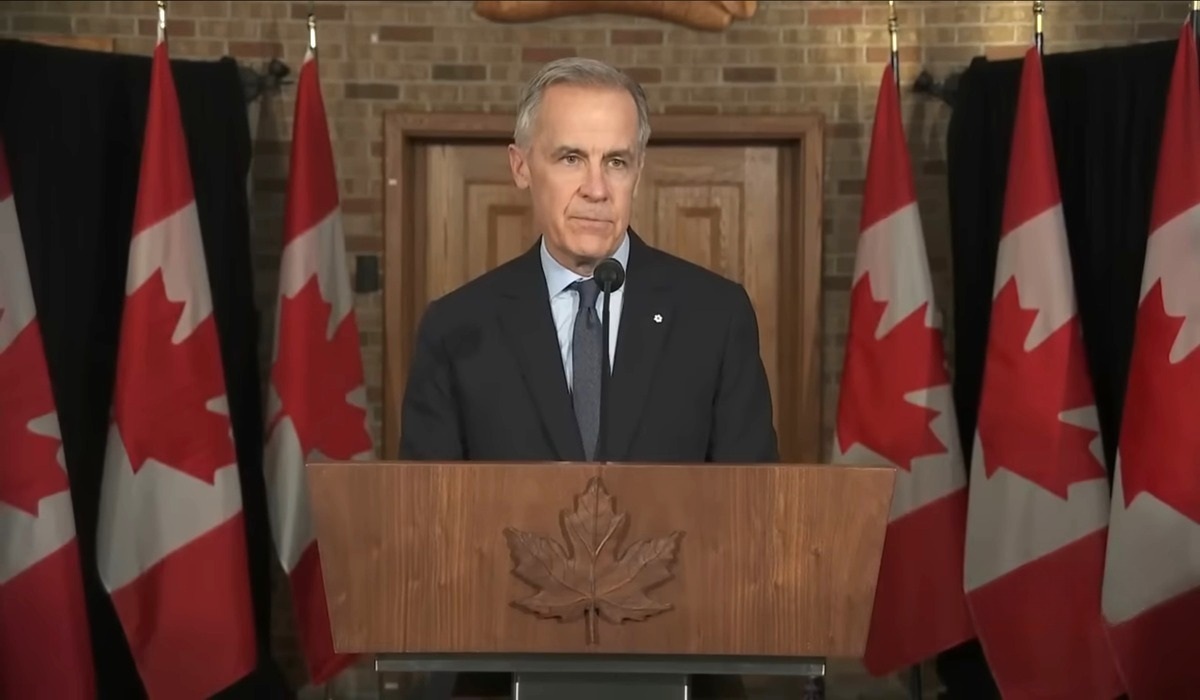
OTTAWA — Prime Minister Mark Carney’s upcoming trip to Europe is being presented as a diplomatic mission, but behind the official meetings and photo opportunities lies a much broader objective: attracting investment, strengthening economic partnerships, and positioning Canada for a rapidly changing global economy.
The visit comes at a time when countries around the world are reassessing their economic relationships, supply chains, and strategic partnerships. Growing geopolitical uncertainty, technological competition, and shifting trade dynamics have forced governments to think differently about how they attract investment and create long-term economic growth. Canada is no exception.
Carney’s itinerary includes meetings with political leaders in France and Ireland before participating in the G7 Leaders’ Summit. Officially, discussions are expected to focus on areas such as artificial intelligence, defence, critical minerals, energy security, and trade. Those sectors are increasingly viewed as key drivers of future economic growth and national competitiveness.
While government announcements often focus on meetings between heads of state, much of the work during international trips happens away from cameras. Business leaders, investors, industry representatives, and economic stakeholders frequently participate in side meetings that can be just as important as formal diplomatic discussions.
For Canada, attracting international capital has become a growing priority. Governments at all levels are competing globally for investments that create jobs, support infrastructure development, and strengthen domestic industries. Whether it involves technology companies, manufacturing operations, energy projects, or research facilities, countries increasingly recognize that investment decisions can influence economic outcomes for decades.
Supporters of the government’s approach argue that Canada has significant advantages to offer international investors. The country possesses abundant natural resources, a highly educated workforce, political stability, and access to major global markets. Canada’s growing expertise in sectors such as artificial intelligence, aerospace, critical minerals, and clean technology has also attracted increasing international attention.
At the same time, critics argue that Canadians deserve greater transparency regarding discussions involving major investors and corporate interests. While governments routinely meet with business leaders to encourage investment, some observers believe more information should be publicly available regarding the objectives and outcomes of those conversations.
Questions surrounding foreign investment have become increasingly important in recent years. Canadians want economic growth, but they also want assurances that critical industries remain protected and that investments serve the long-term interests of workers, communities, and taxpayers. Balancing those priorities is not always simple.
The global economy itself is undergoing a period of significant transformation. Artificial intelligence is reshaping industries. Supply chains continue adapting following years of disruption. Competition for critical minerals has intensified as countries seek materials necessary for electric vehicles, batteries, and advanced technologies. Governments around the world are actively positioning themselves to benefit from these emerging opportunities.
That reality helps explain why economic diplomacy has become such an important part of international relations. Today’s world leaders are expected not only to manage foreign policy but also to actively promote their country’s economic interests. Success is often measured not simply by diplomatic achievements but by investments secured, partnerships formed, and opportunities created.
For Carney, the trip also represents an opportunity to demonstrate Canada’s relevance on the international stage. The G7 remains one of the world’s most influential forums for discussing economic and security issues, and participation provides Canada with a platform to advance its priorities while strengthening relationships with key allies.
The outcomes of these meetings may not be immediately visible. Major investment decisions often take months or even years to materialize. Negotiations continue long after leaders return home, and announcements frequently occur well after the initial discussions that helped create them.
Nevertheless, the importance of these international engagements should not be underestimated. In an increasingly competitive global economy, countries that actively build relationships and pursue investment opportunities often position themselves more effectively for future growth.
As Carney meets with leaders, investors, and business representatives throughout Europe, Canadians will ultimately judge the trip based on results. The real measure of success will not be found in speeches or summit communiqués but in whether those conversations translate into jobs, investment, and economic opportunities that benefit Canadians in the years ahead.
About The Author