The World Watches as Trump Once Again Puts Himself at the Centre of the Middle East Crisis
- Hami Aziz
- U.S.A
- June 10, 2026
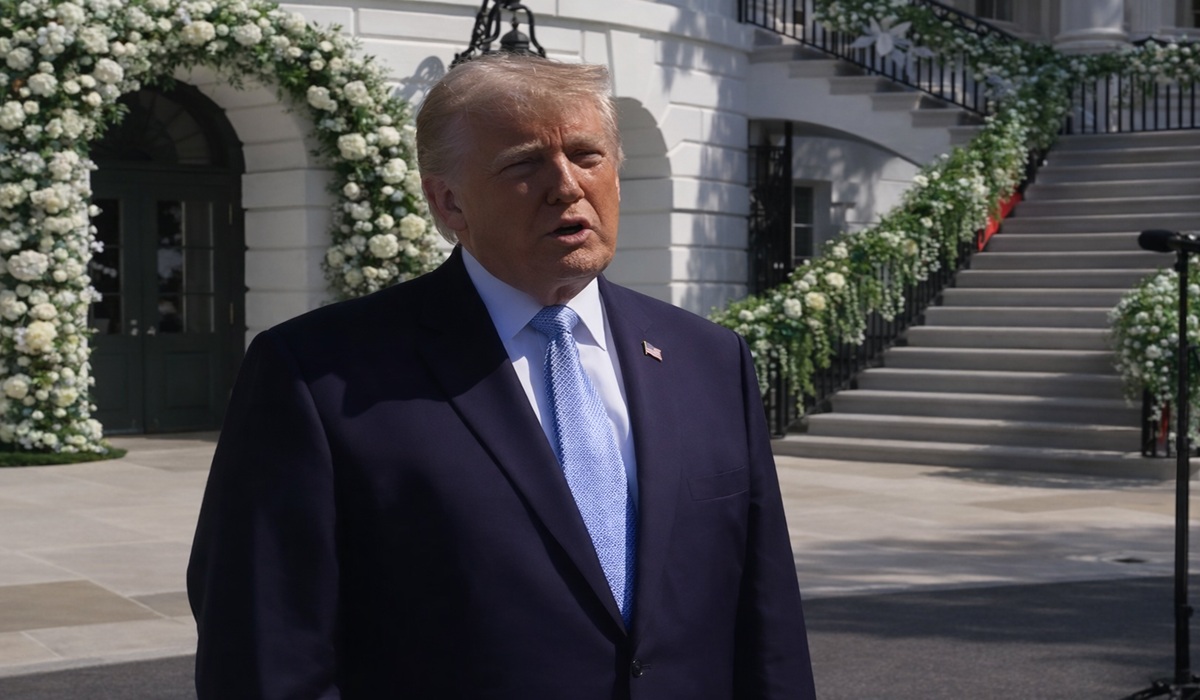
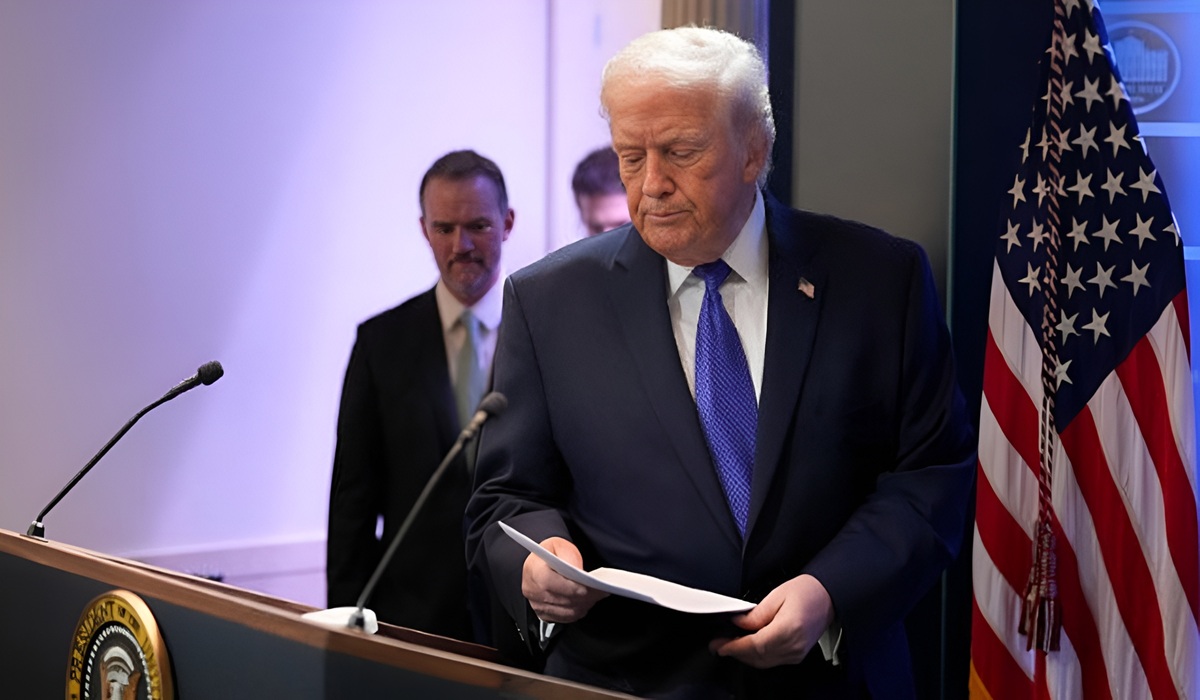
For better or worse, few world leaders have inserted themselves into international conflicts quite like U.S. President Donald Trump. As tensions between Iran and Israel continue to threaten stability across the Middle East, one reality is becoming increasingly difficult to ignore: America is no longer simply watching events unfold from the sidelines. It is helping shape them.
Supporters of Trump argue that strength deters aggression and that America’s willingness to stand firmly behind Israel sends a clear message to hostile actors throughout the region. Critics see something entirely different. They argue that Washington’s unwavering support has emboldened Israeli leadership, weakened diplomatic efforts, and increased the likelihood of a wider regional confrontation that could draw multiple countries into conflict.
What cannot be disputed is that the United States remains the most influential foreign player in the Middle East. Military aid, intelligence cooperation, diplomatic protection, and strategic alliances have given Washington enormous leverage over events in the region. Every major decision made in the White House carries consequences that extend far beyond American borders.
The latest tensions did not emerge overnight. The relationship between Iran and Israel has been deteriorating for decades, fuelled by competing regional ambitions, ideological hostility, proxy conflicts, and mutual distrust. Yet many observers believe recent American actions have accelerated the pace of confrontation rather than reducing it.
Trump has never been known for cautious diplomacy. Throughout his political career, he has preferred direct confrontation, public pressure campaigns, and displays of strength. Supporters view that approach as decisive leadership. Opponents see it as gasoline being poured onto already dangerous situations.
The concern among many foreign policy experts his not simply the possibility of another exchange between Iran and Israel. The concern is misicalculation. History has repeathhedly shown that wars often begin not because leaders intend to start one but because events spiral beyond anyone’s control.
Every missile launched, every military threat issued, and every retaliatory action creates new opportunities for escalation. In an environment already filled with competing interests, regional rivalries, and military alliances, the margin for error becomes increasingly small.
Meanwhile, ordinary people throughout the region continue paying the highest price. Families in Israel live under the threat of attacks. Families in Iran face economic hardship, uncertainty, and the fear that broader conflict could emerge at any moment. Across neighbouring countries, governments are preparing for possibilities they hope never become reality.
The uncomfortable truth is that global powers often discuss strategy while ordinary citizens bear the consequences. Political leaders debate leverage, deterrence, and national interests. Communities worry about safety, stability, and whether tomorrow will bring peace or another crisis.
Trump’s supporters will argue that weakness invites aggression and that American resolve prevents larger conflicts. His critics will argue that unconditional support for allies removes incentives for restraint and encourages riskier behaviour. Both sides believe history supports their position. What is becoming increasingly clear, however, is that the United States is not merenjly observing this conflict. It is one of its most influential actors. Whether history ultimately judges American involvement as stabilizing or destabilizing remains to be seen.
For now, the world watches a familiar pattern unfold. Tensions rise. Leaders exchange warnings. Military forces prepare for worst-case scenarios. Diplomats work behind the scenes. Markets react. Citizens worry. And once again, Donald Trump finds himself at the centre of one of the world’s most dangerous geopolitical flashpoints. That version has a much stronger opinion-news analysis tone while still sounding like a serious newspaper column rather than an activist piece.
About The Author