America and Iran Are Already at War. The Question Now Is What Comes Next?
- Hami Aziz
- U.S.A
- May 27, 2026
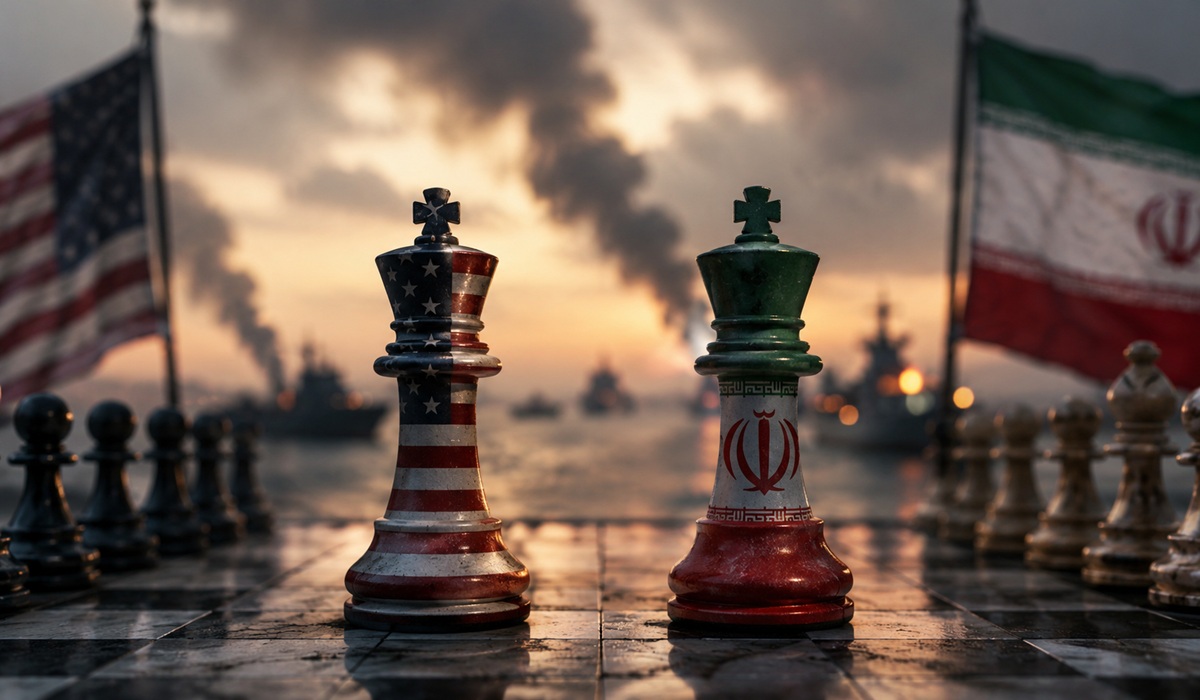
America is not standing at the edge of war with Iran. That line has already been crossed. The language of diplomacy may still be moving in the background, and officials may still dress the conflict in careful phrases like limited strikes, defensive actions, naval pressure, and ceasefire violations. But once American forces are striking Iranian targets, Iran is condemning those attacks as violations, shipping through the Strait of Hormuz is being treated as leverage, and global oil markets are reacting to every rumour of a deal, the world is no longer watching a crisis that might happen. It is watching a war that leaders are still trying to describe as something smaller than it is.
That is what makes this moment so dangerous. Wars do not always announce themselves with a clean beginning and a formal declaration. Sometimes they arrive through escalation, denial, retaliation, blockade, negotiation, and the slow collapse of language. Governments keep using words designed to calm people down while the facts on the ground become harder to soften. The United States can call its strikes defensive. Iran can call them bad faith. Diplomats can keep meeting in Qatar, Oman, or anywhere else a room can be found. None of that changes the central reality that the conflict has already entered the stage where military action and diplomacy are happening at the same time.
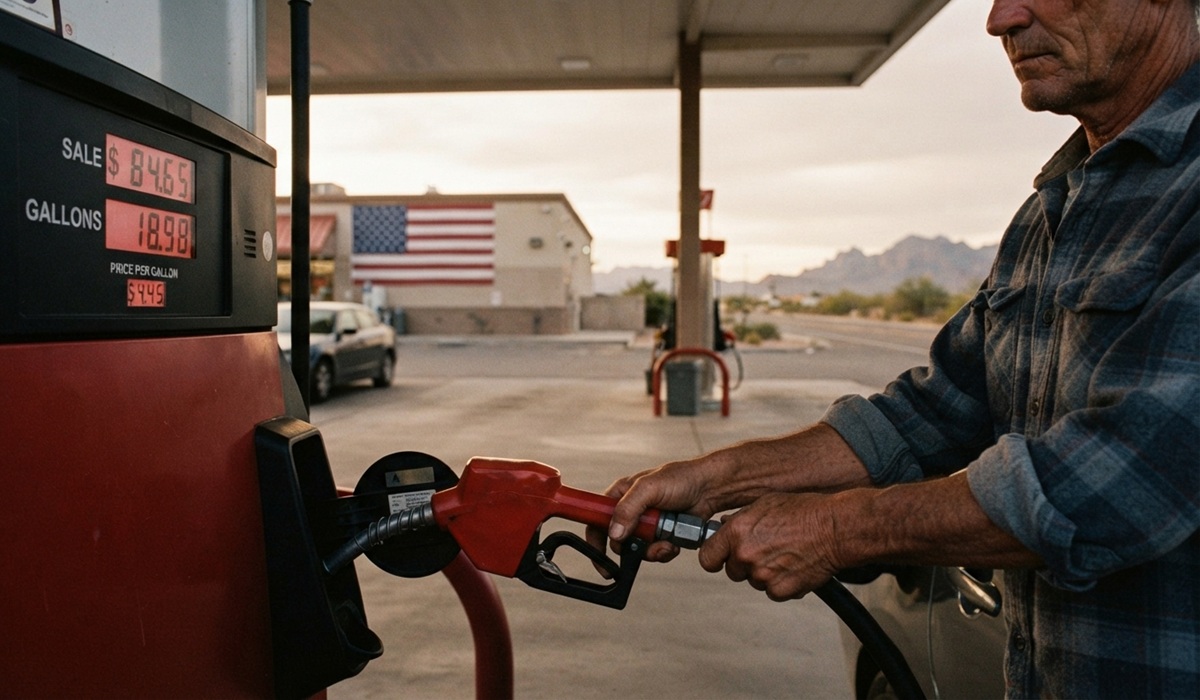
This war has already exposed how fragile the modern world has become. The Strait of Hormuz is not just a waterway on a map. It is one of the pressure points of the global economy, and when it is restricted, threatened, or used as a bargaining chip, families far away from the Middle East can feel it in gas prices, shipping costs, grocery bills, and inflation. That is the brutal unfairness of modern conflict. A decision made in Washington or Tehran can land weeks later at a kitchen table in Winnipeg, London, or Chicago.
What makes the U.S. position especially complicated is that Washington appears to be trying to win three different wars at once. There is the military war, where strikes and naval power are meant to force Iran into a weaker position. There is the diplomatic war, where negotiations are meant to produce a framework that can be sold as de-escalation rather than retreat. Then there is the political war at home, where every decision must be defended against accusations of weakness, recklessness, or failure. That is not strategy in the clean textbook sense. It is pressure management under fire.
Iran is also not operating from weakness alone. It knows the power of endurance, geography, symbolism, and suspicion. It knows that even if the United States has superior military force, America’s tolerance for long, expensive, politically messy conflict is not unlimited. Tehran does not need to defeat Washington in a conventional sense to survive this moment. It only needs to make the cost of pressure high enough that the United States begins looking for an exit it can still call victory.
That is where the danger deepens. Once a war becomes tied to pride, perception, and domestic politics, leaders can become trapped by the very strength they are trying to project. Nobody wants to look like the side that blinked first. Nobody wants to explain concessions to hardliners. Nobody wants to admit that the conflict has moved beyond the neat control room language of measured response and into the messier world of consequences. This is how wars grow larger than the people who thought they could manage them.
The world should be paying attention to the contradiction at the heart of this conflict. The same governments discussing peace are also accusing each other of violations, bad faith, and escalation. That does not mean talks are meaningless. It means the talks are taking place inside a burning building while both sides argue over who lit the match. A draft agreement, if one ever becomes real, may reopen shipping and reduce immediate pressure. But it will not erase the distrust that has already been hardened by bombs, blockades, and public humiliation.
The human cost also cannot be treated as background noise. War coverage often turns people into numbers, infrastructure into targets, and entire populations into strategic inconvenience. But every strike has a geography, and every geography has people living under it. Even when the war is discussed in terms of ports, shipping lanes, oil terminals, military sites, and regional leverage, it is civilians who inherit the fear, the shortages, the uncertainty, and the grief. That has to remain at the centre of the story.
America and Iran are now fighting a war that both sides may still be trying to keep small enough to deny and large enough to matter. That is a terrifying category of conflict. It allows leaders to claim restraint while still escalating. It allows markets to pretend the damage is temporary. It allows the public to keep scrolling because nobody has officially told them that history has already shifted under their feet.
The world is already paying for this war through higher costs, instability, fear, disrupted trade, and the growing realization that global conflict no longer stays regional for very long. The real question now is not whether there will be a price to pay. The question is how much more the world will be forced to absorb before the people in charge finally understand the cost of the fire they are playing with.
About The Author