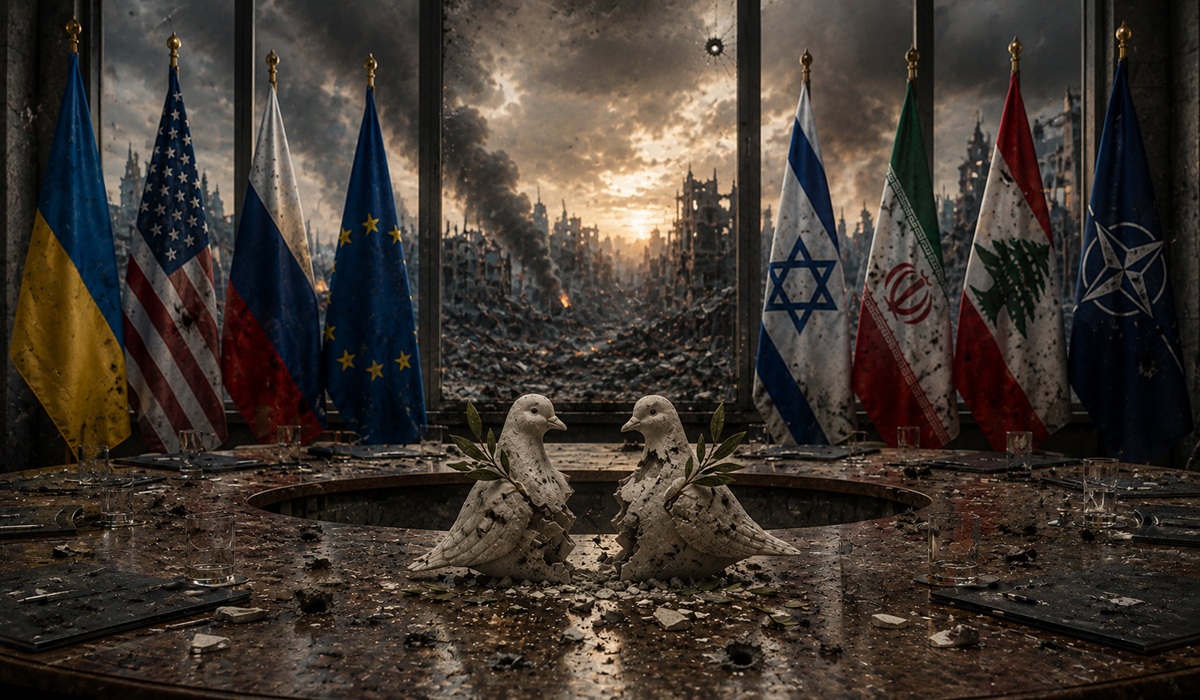
For the better part of two years, the world has been repeatedly told that peace might be just around the corner. Every few months, headlines emerge suggesting progress is being made behind closed doors. Diplomats gather in foreign capitals, representatives sit around polished conference tables, and carefully worded statements are released to the public. Yet despite all of the meetings, all of the travel, and all of the promises that negotiations remain ongoing, the reality remains unchanged. The fighting continues. The casualties continue. The destruction continues. Once again, discussions aimed at ending one of the world’s most consequential conflicts have stalled, leaving many observers asking a simple but uncomfortable question: was there ever really a genuine path to peace in the first place?
The latest collapse in negotiations highlights a problem that has existed from the very beginning. Peace agreements require both sides to share at least some common vision of what the future should look like. In this conflict, that common vision has never truly existed. Russia continues to pursue objectives that Ukraine considers unacceptable. Ukraine continues to insist upon conditions that Russia refuses to entertain. Both sides have repeatedly stated their positions publicly, and neither appears willing to make the concessions necessary to bridge the enormous gap separating them. While diplomats often speak about finding middle ground, there can be no middle ground when the core demands of each side directly contradict one another.
What the world may have been witnessing was not a peace process at all but rather a diplomatic exercise designed to manage expectations and buy time. Governments needed to demonstrate to their citizens that every effort was being made to avoid further escalation. Political leaders needed to show allies that negotiations remained possible. International organizations needed to maintain the appearance that diplomacy was still functioning. Yet appearances and outcomes are two very different things. A meeting can take place without producing progress. A negotiation can continue without moving any closer to a solution. A ceasefire proposal can generate headlines without changing realities on the battlefield.
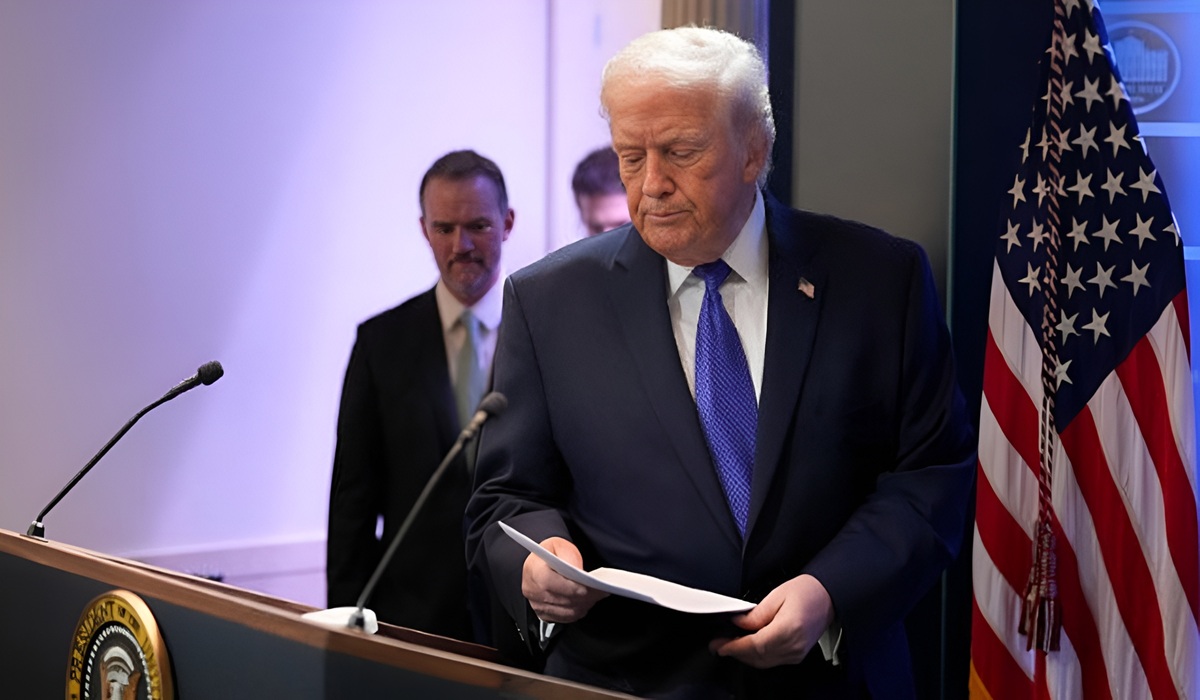
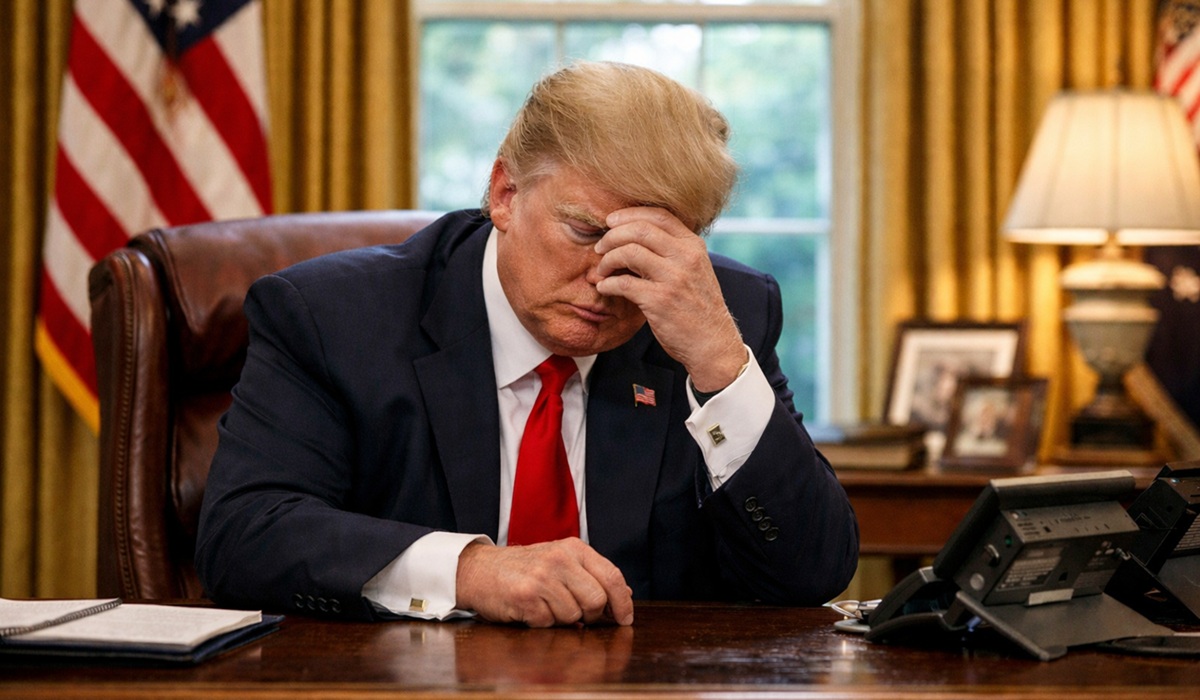
The United States finds itself in a particularly difficult position. Washington has spent years attempting to balance military support, economic pressure, diplomatic engagement, and alliance management. American officials have repeatedly encouraged negotiations while simultaneously maintaining support for Ukraine’s ability to defend itself. That balancing act becomes increasingly difficult each time talks fail. Critics argue that diplomacy has become little more than political theatre, while supporters insist negotiations must remain open regardless of how unlikely success may appear. Neither side can ignore the fact that every failed round of talks further erodes confidence that a negotiated settlement is possible in the near future.
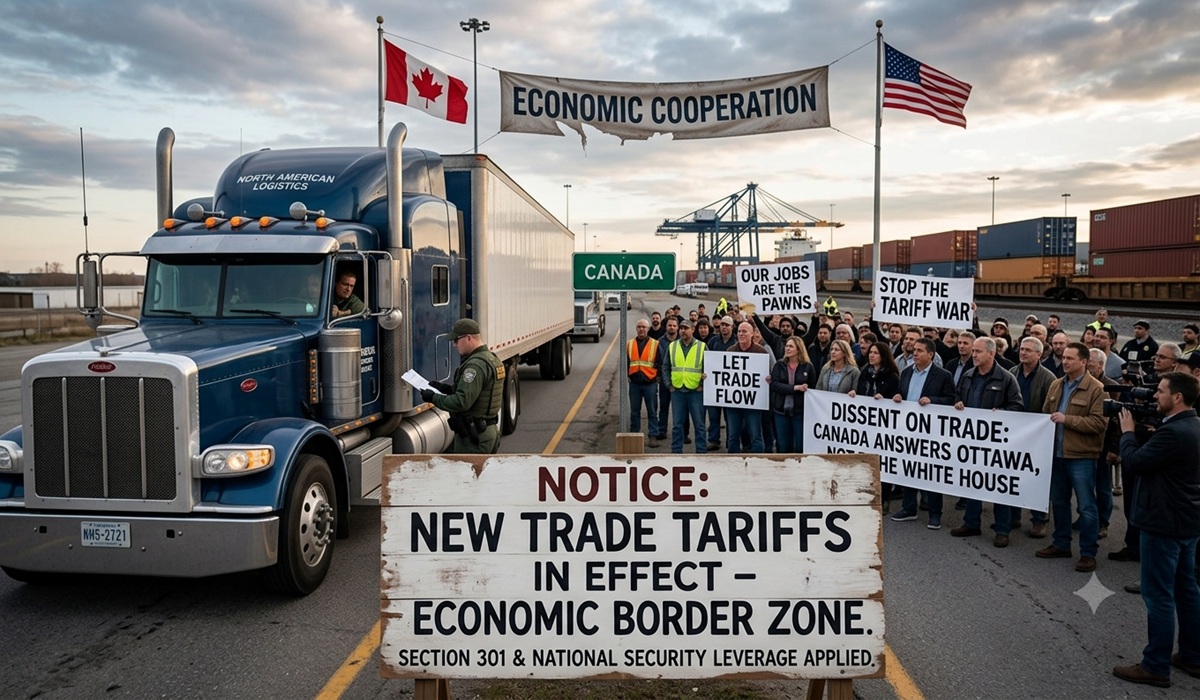
The consequences extend far beyond Eastern Europe. Financial markets monitor every development because investors understand that prolonged instability affects global trade, energy markets, food supplies, and investment decisions. Businesses making long-term plans dislike uncertainty more than almost anything else. When there is no clear end in sight, companies become more cautious. Expansion plans are delayed. Investments are postponed. Hiring decisions become more conservative. What begins as a military conflict eventually finds its way into boardrooms, factories, farms, and households around the world.
There is also a growing concern that the longer the conflict continues, the more difficult peace becomes. Wars have a tendency to create their own momentum. New grievances emerge. Communities suffer losses that are not easily forgotten. Political leaders become increasingly constrained by public opinion. Citizens who have sacrificed loved ones become less willing to accept compromise. What may have been politically possible in the early stages of a conflict often becomes impossible years later because the emotional, economic, and human costs continue to accumulate.
Perhaps the most troubling aspect of the current situation is that many experts no longer speak about ending the conflict. Instead, they speak about managing it. That shift in language may seem subtle, but it represents a significant change in expectations. Managing a conflict is not the same as resolving one. Managing a conflict means accepting that it may continue indefinitely while attempting to limit its damage. Resolving a conflict requires addressing the underlying issues that caused it in the first place. Increasingly, policymakers appear focused on the former rather than the latter.
The world desperately wants peace because peace is always less expensive than war. Peace preserves lives, protects economies, and creates opportunities for growth and stability. Yet wanting peace and achieving peace are two very different things. As another round of negotiations collapses and fighting continues, the uncomfortable reality is becoming harder to ignore. The greatest obstacle to peace may not be failed diplomacy. It may be the fact that the people sitting at the negotiating table still want fundamentally different futures. Until that changes, every new peace initiative risks becoming little more than another chapter in a story that has yet to find its ending.
About The Author