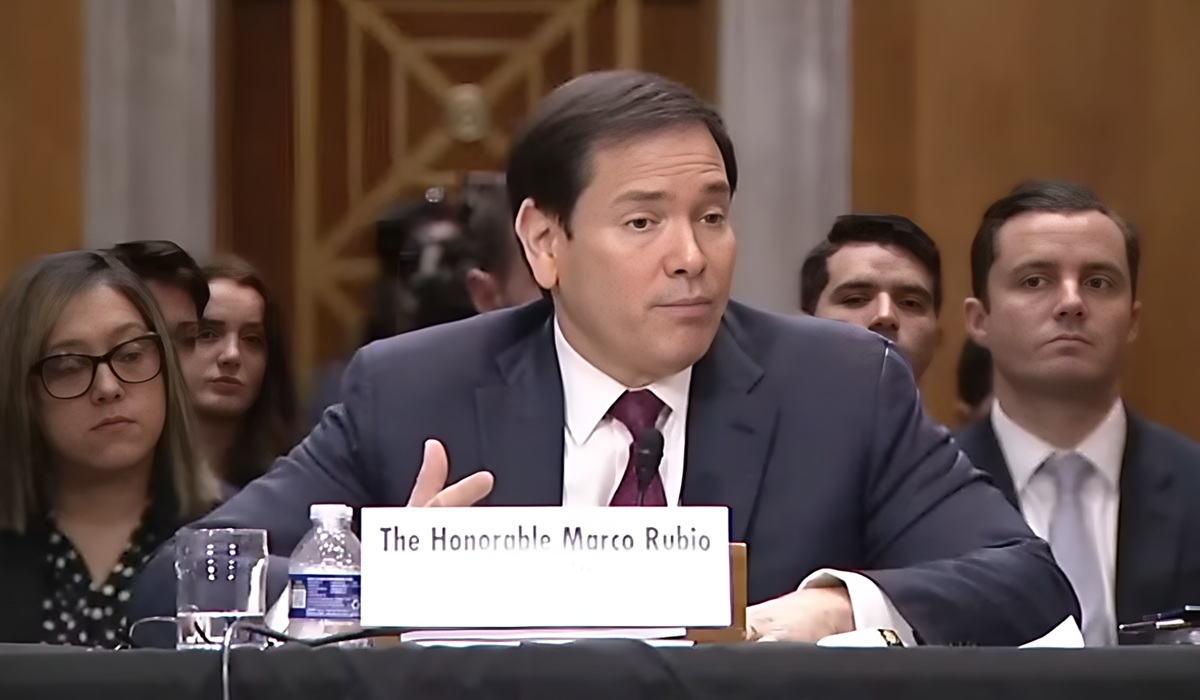
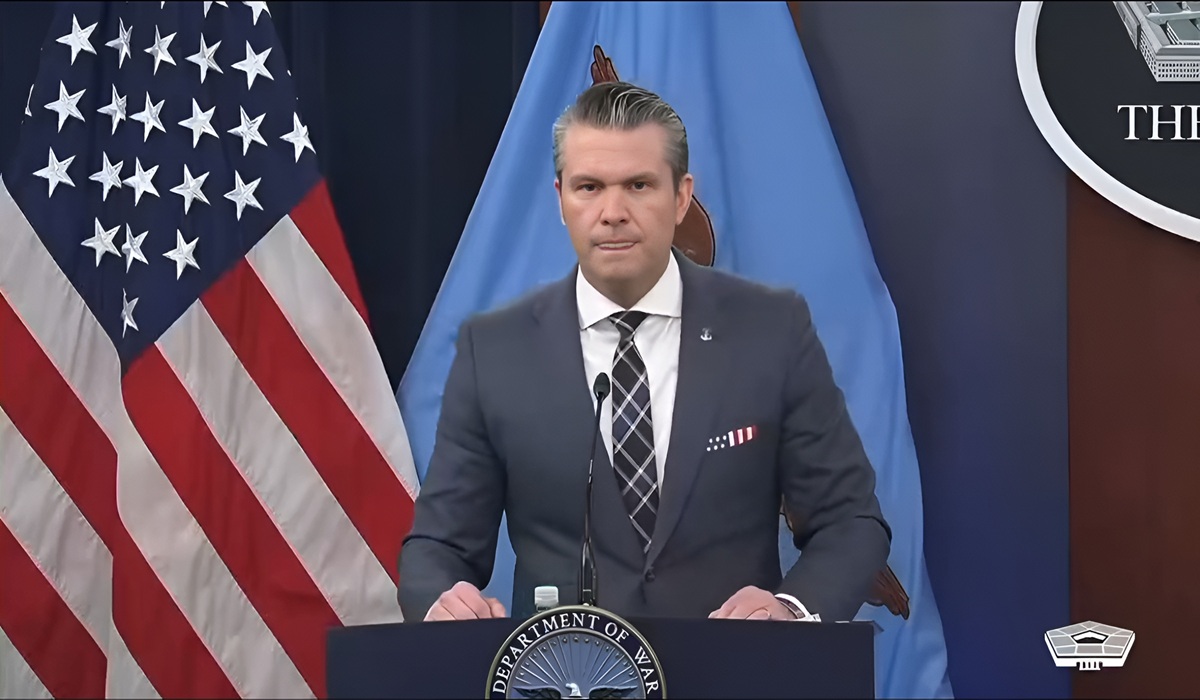
WASHINGTON — In a chamber rife with partisan tension, Secretary of War Pete Hegseth survived a high-stakes legislative gamble when the U.S. House of Representatives voted 211 to 204 to block articles of impeachment against him. The effort to remove Hegseth, introduced by conservative iconoclast Rep. Thomas Massie of Kentucky, ended not with a dramatic floor trial, but with a referral to the House Judiciary Committee that effectively shelves the proceedings for the remainder of the current congressional session. What made the moment historic, however, was not simply the collapse of a rare Cabinet impeachment attempt, but the parliamentary dynamic that sealed its fate: eleven House Democrats failed to vote, granting Republicans the razor-thin margin necessary to protect President Donald Trump’s Pentagon chief.
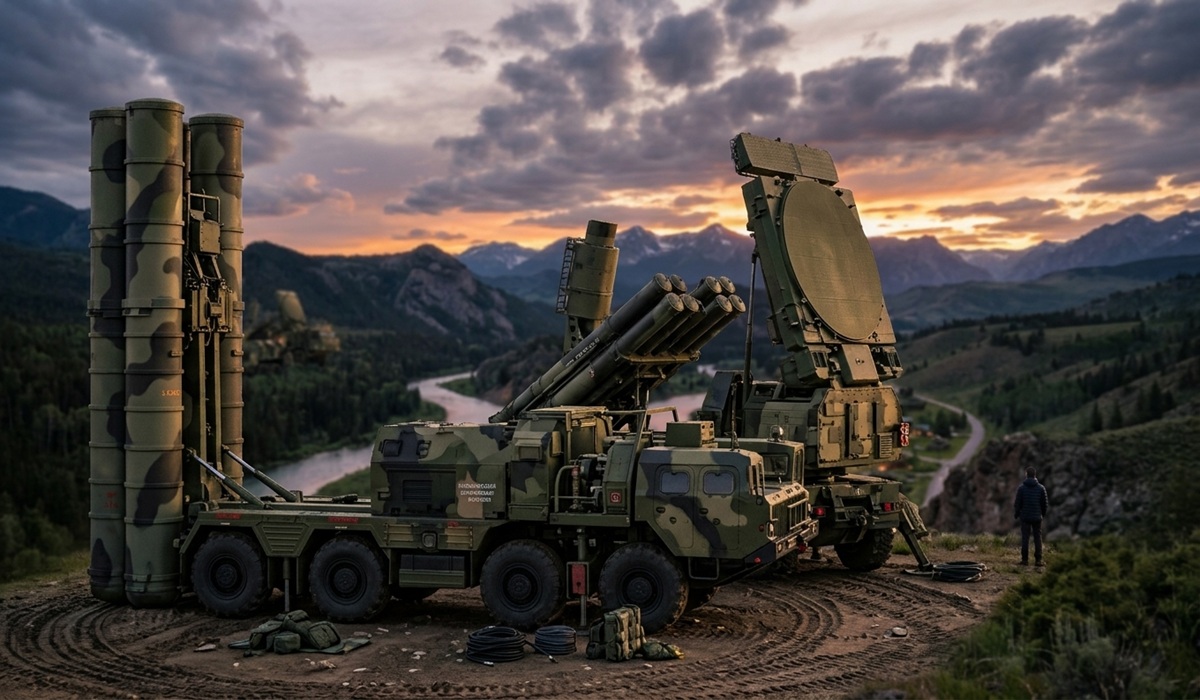
The path to the vote began when Massie, a long-time libertarian-leaning Republican, broke ranks to introduce eight articles of impeachment against Hegseth. Massie accused the defense chief of conducting unlawful military operations in the Middle East and abusing the authority of his office. Hegseth defended his record aggressively, dismissing the resolution as a sham rooted in personal destruction and policy differences. With Republicans holding a slim majority and facing severe backlash from their base following recent midterm election losses, Massie sought to force a direct, uncomfortable vote on the floor. Republican leadership countered by moving to refer the resolution to committee, a classic legislative maneuver designed to bury controversial measures without forcing members to vote directly on the merits of the charges.
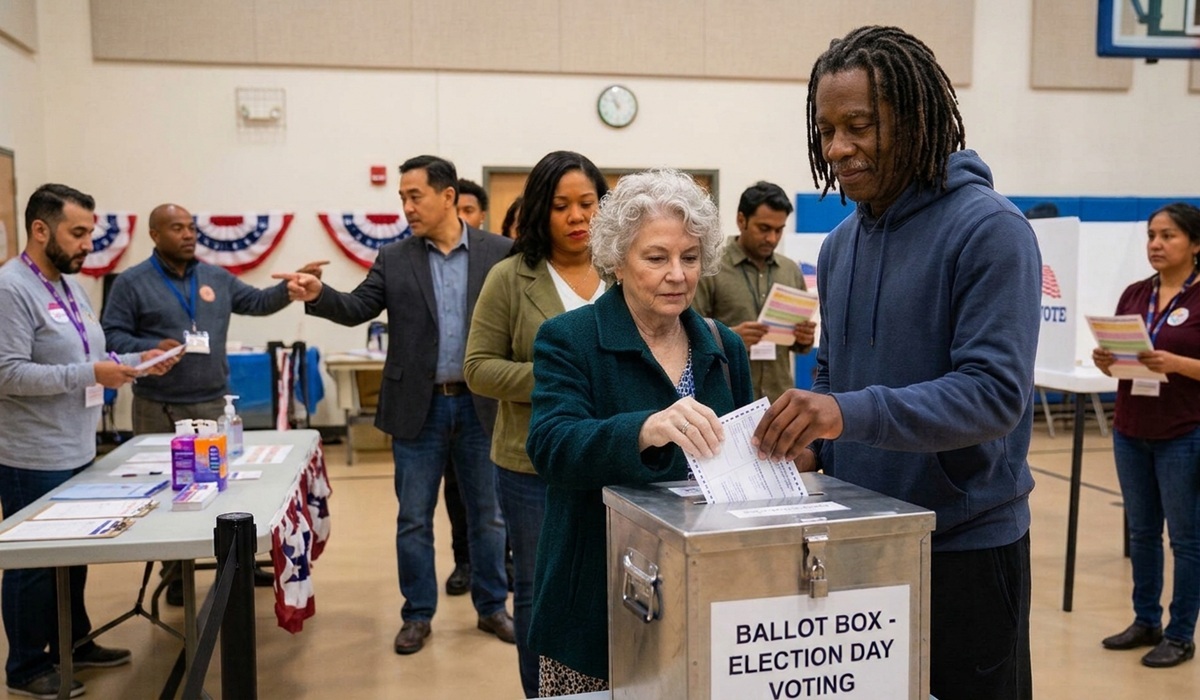
When the voting tally closed, Massie stood as the sole Republican to vote against the motion to refer, maintaining his insistence on a full trial. Yet, the procedural maneuver would have failed had the Democratic caucus voted in complete unison. Eleven Democrats were recorded as not voting. High-profile members including former House Speaker Nancy Pelosi and Rep. Lou Correa were absent, citing previously scheduled commitments such as Veterans Day events and medical procedures. Spokespersons for the absent lawmakers later clarified that their absences were logistical rather than ideological, asserting that the members would have voted alongside their party to force a direct floor vote on Hegseth had they been present in the chamber.
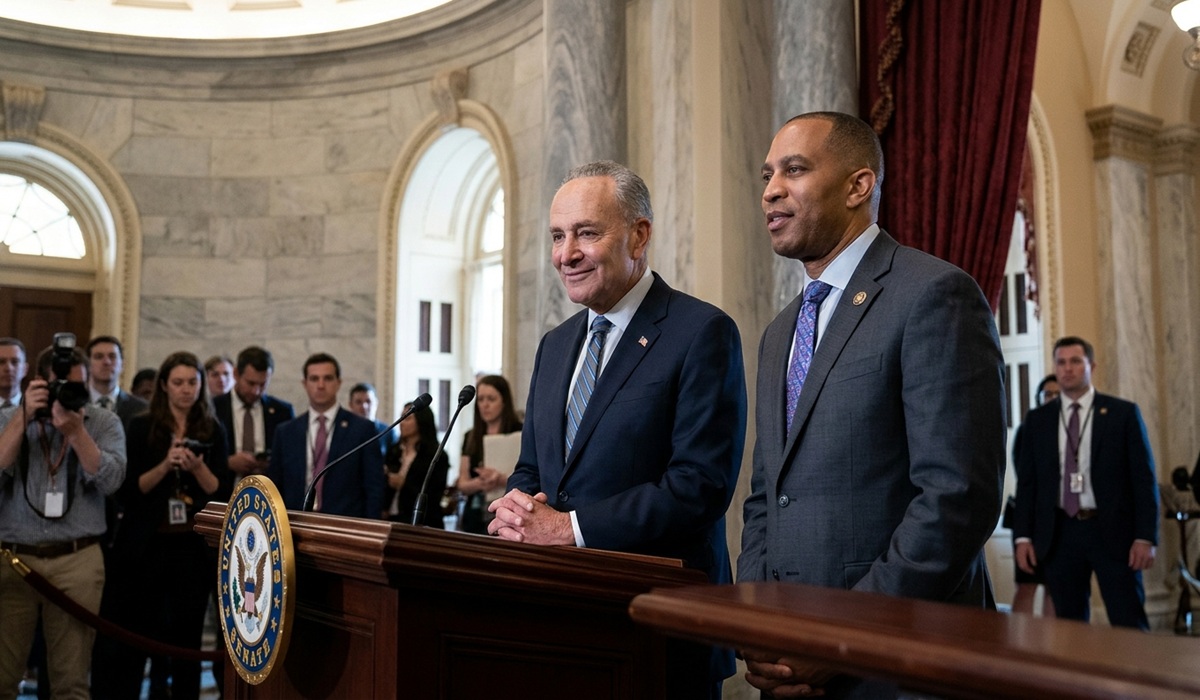
Despite those explanations, the outcome ignited immediate debate across the political spectrum over whether the missing votes constituted a quiet betrayal of the Democratic base. Progressive activists expressed intense frustration, arguing that party leadership should have ensured full attendance for a vote of such magnitude. Critics pointed out that preventing the referral would have forced vulnerable Republicans to take an explicit stance on Hegseth, potentially compounding political pressure on the administration. However, institutional strategists viewed the event differently. House Minority Leader Hakeem Jeffries signaled that the procedural vote was merely a temporary delay, emphasizing that Democrats, who secured control of Congress in the recent midterm elections, retain the option to revive impeachment proceedings under their own leadership when the new Congress convenes.
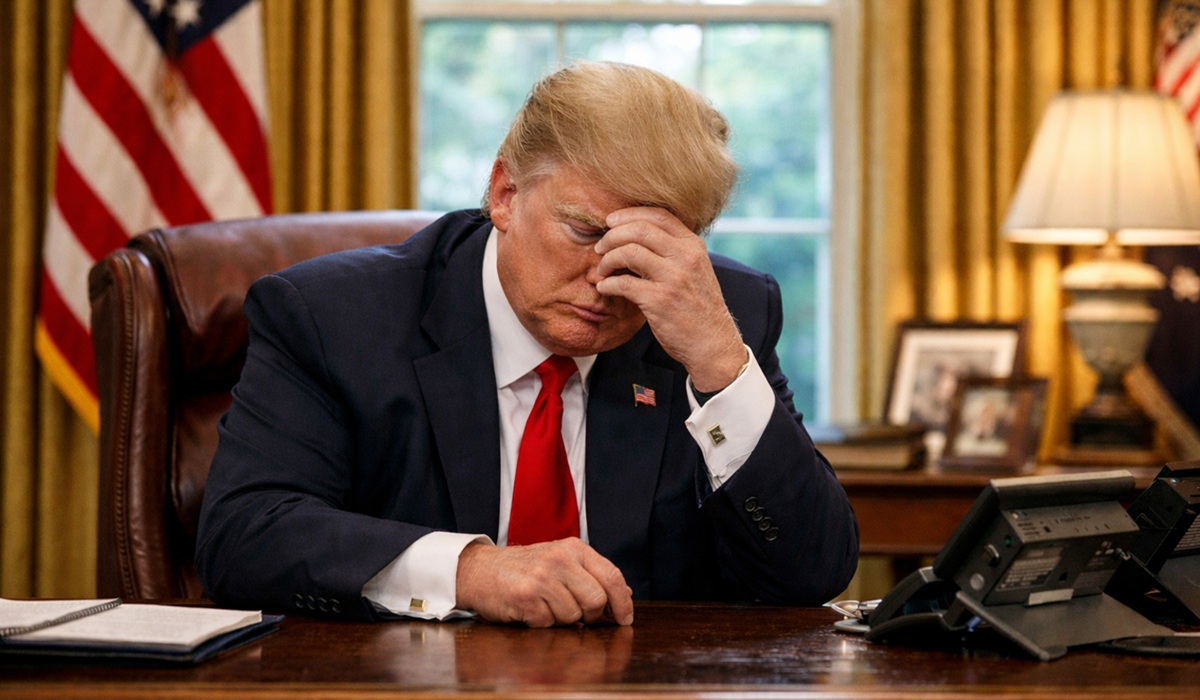
Ultimately, the vote highlights the delicate legislative math and procedural warfare that define modern Washington. Hegseth remains in his role at the Pentagon, having narrowly escaped becoming only the third Cabinet secretary in American history to be impeached by the House. The survival of the Pentagon chief provides temporary relief to the White House, but the lingering threat of congressional oversight ensures that the debate surrounding Hegseth and the direction of American military policy is far from over.
About The Author