The Maritime Stranglehold and the Collapse of Post-War Logistics
- Kingston Bailey
- U.S.A
- November 9, 2026
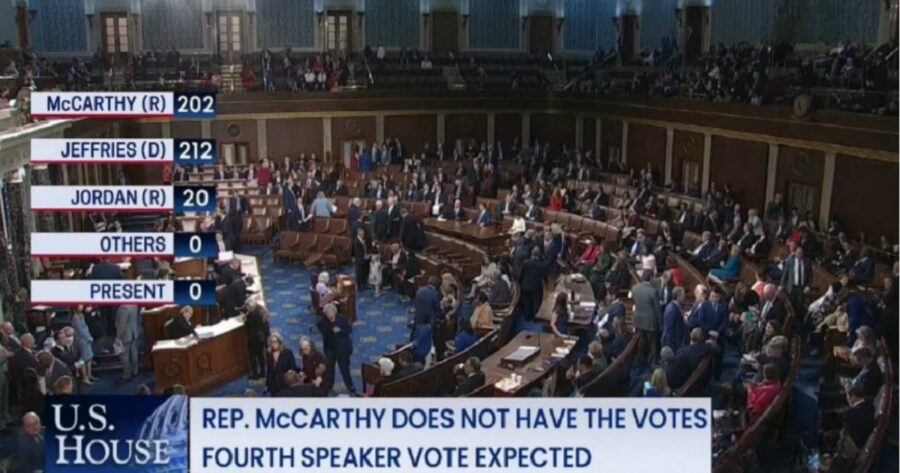
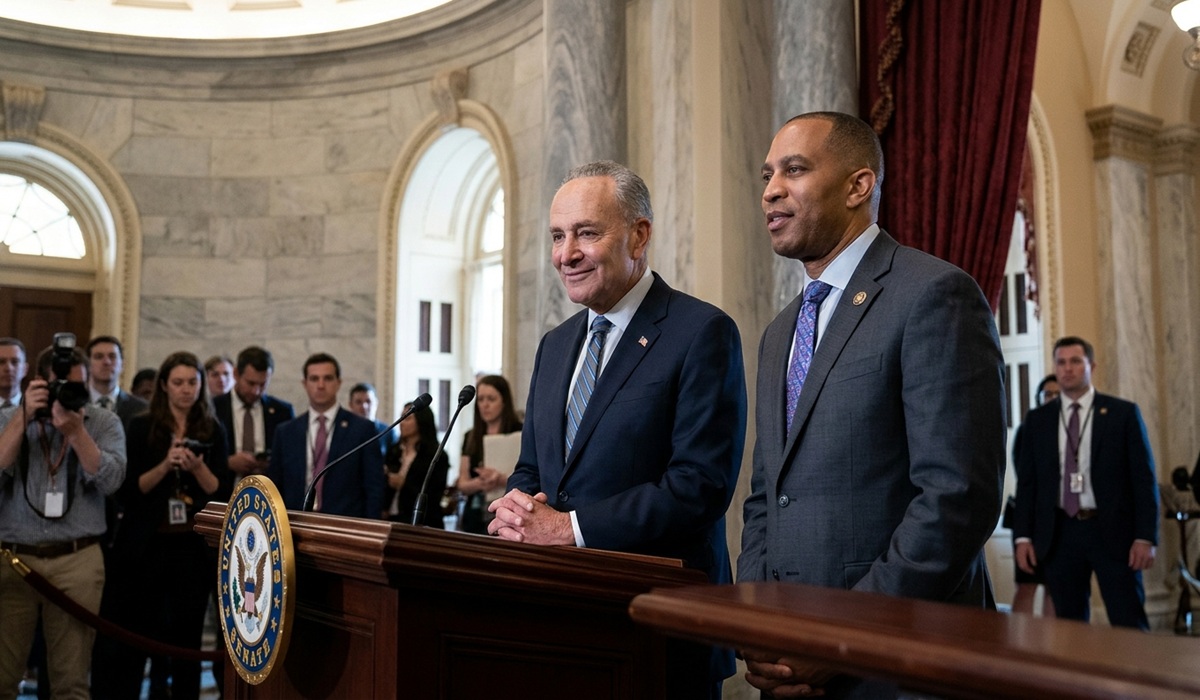
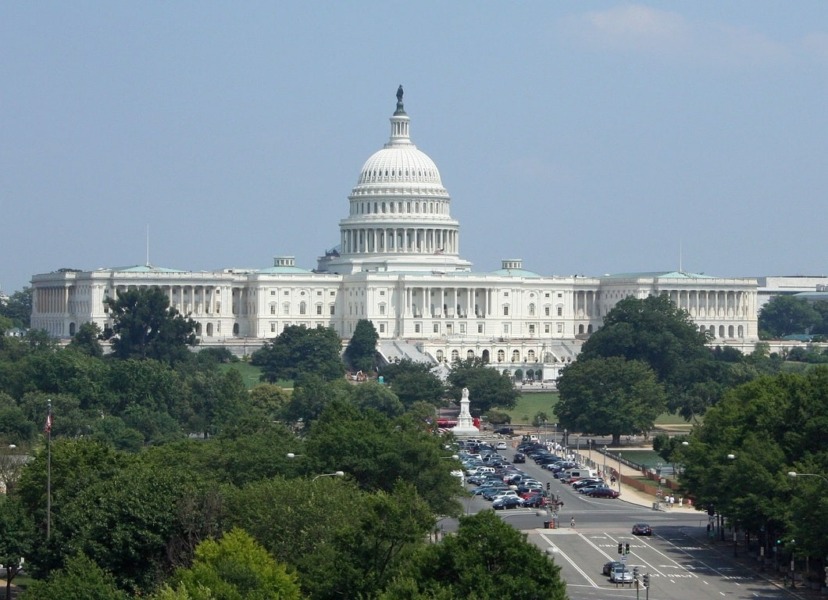
WASHINGTON — Democrats secured majorities in both the United States House of Representatives and the Senate after historic midterm results, delivering a major legislative defeat to President Donald Trump and ushering in a stark new era of divided government in the nation’s capital. Unexpected sweeps across traditionally conservative strongholds, including Senate victories in Midwestern and Southern battlegrounds, ended months of intense campaign spending and dramatically altered Washington’s balance of power. With the legislative branch now under opposition control, the administration faces severe structural constraints on its domestic agenda, judicial appointments, and executive oversight, signaling a total recalibration of national legislative priorities as Congressional leaders prepare to assume committee gavels.
The midterm realignment was driven by widespread voter reaction to economic pressures, trade disruptions, and sweeping foreign policy decisions, creating major gains for non-incumbent candidates in key suburban and rural districts. Democratic primary victories translated into general election wins in areas long considered reliably Republican, dismantling established party strongholds in states where redrawn voting maps were expected to protect conservative majorities. Despite aggressive presidential campaigning across high-stakes states in the final weeks of the race, opposition candidates successfully built coalitions around healthcare access, constitutional rights amendments, and economic relief, securing decisive margins among moderate and independent voters who shifted away from executive policy stances.
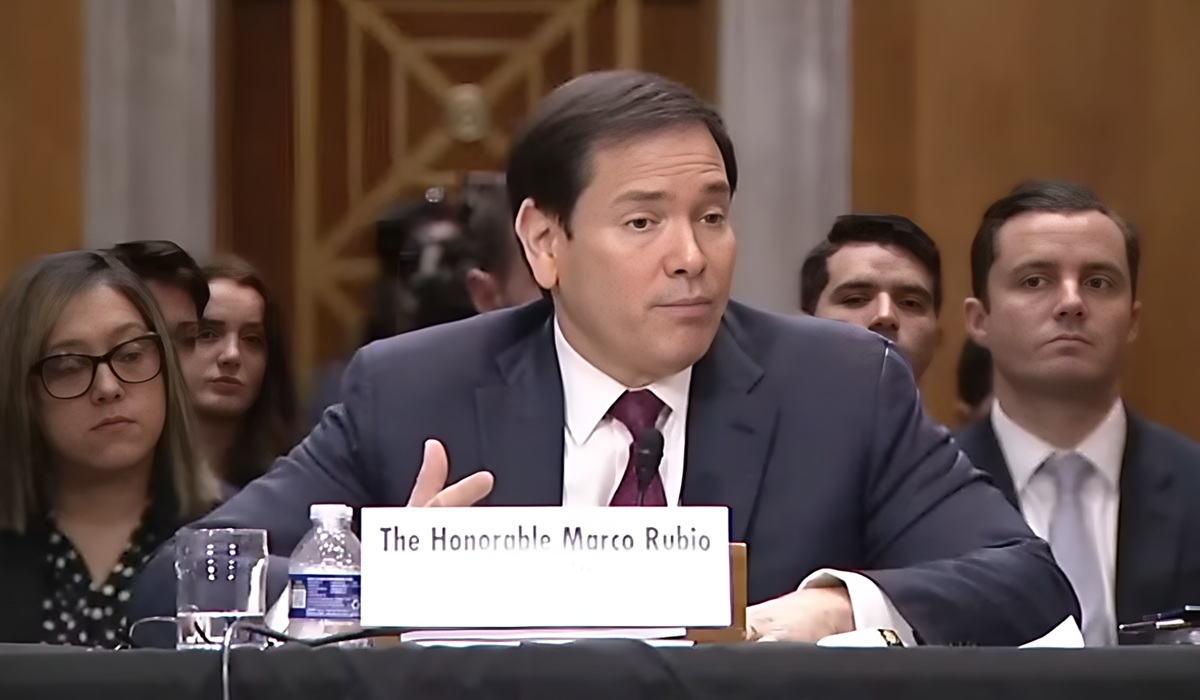
The strategic fallout of the election extends immediately to the international arena, where foreign policy decisions face heightened scrutiny from newly emboldened legislative committees. Escalating military engagements and diplomatic friction in the Middle East have drawn sharp domestic debates, with executive leadership defending targeted strikes as necessary national security measures while congressional leaders vow to enforce stricter War Powers oversight and fiscal accounting. Top administration officials travelling abroad for global summits have acknowledged the rising domestic political divides, maintaining that defense postures remain firm even as opposition lawmakers prepare to utilize the power of the purse to review executive military authorizations and foreign assistance frameworks.
In response to the shifting electoral landscape, Senate leadership from the outgoing majority has vowed to utilize procedural mechanisms to block progressive initiatives, setting up prolonged legislative gridlock over federal budget appropriations, defense spending, and regulatory rollbacks. Incoming committee chairs are already drafting aggressive oversight schedules, targeting federal agency spending, trade implementation, and administrative appointments. As the new legislative session approaches, Washington enters a phase of intense constitutional friction, where every major executive policy initiative will require negotiated compromises across a deeply polarized political divide.
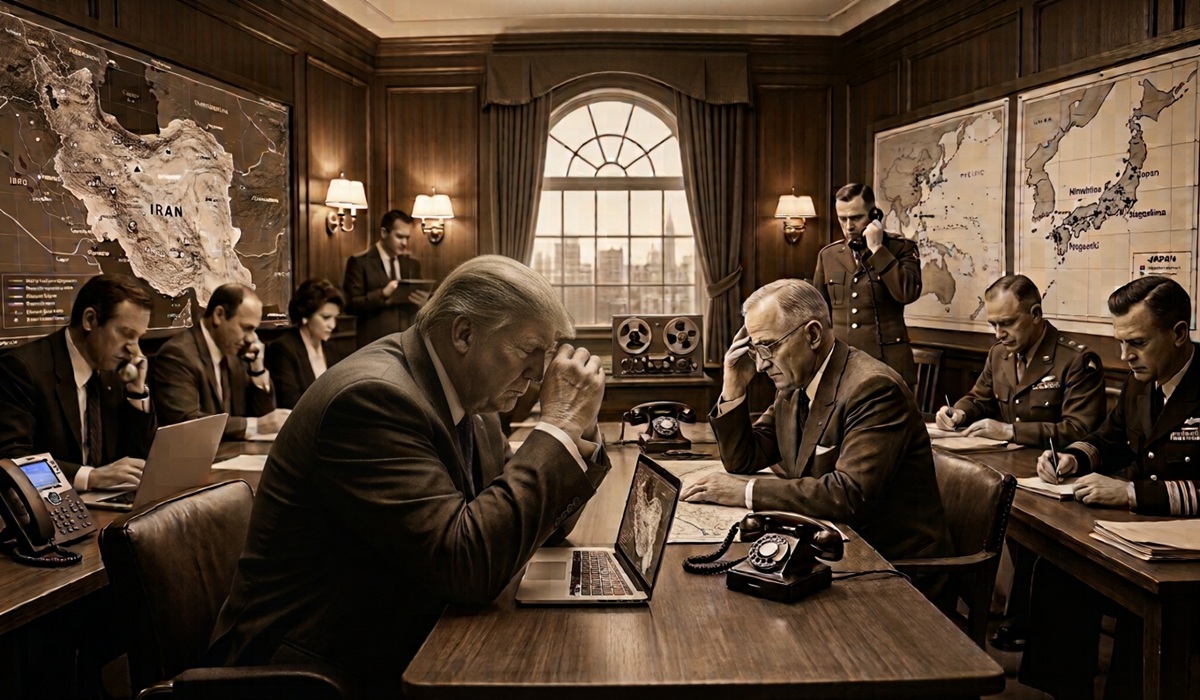
Beyond the immediate theater of congressional leadership battles and party maneuvering, the standard political analysis misses a far more destabilizing structural reality: the total breakdown of global maritime insurance architecture caused by ongoing naval operations in the Middle East. As military task forces attempt to secure essential sea lanes and counter persistent blockades, commercial shipping consortia have quietly begun abandoning global transit corridors. This retreat is not merely driven by physical threats to commercial vessels, but by the collapse of century-old private underwriting models that previously underwrote international trade against wartime disruption.
The sudden invalidation of marine risk policies has quietly severed fragile global supply chains, paralyzing industrial manufacturing hubs across the American heartland long before political platforms could adapt. Domestic supply chains, engineered over decades around precise just-in-time delivery systems, are rapidly fracturing as container ships indefinitely hold at anchor across neutral ports. The resulting economic tremors, manifesting as systemic shortages of essential industrial components and soaring freight costs, are exposing a profound vulnerability in American economic sovereignty that legislative oversight alone cannot quickly resolve.
This maritime insurance crisis represents an unprecedented structural shift, signaling the end of the post-Second World War era of guaranteed, low-cost commercial ocean transit. As international maritime syndicates refuse to cover commercial traffic through volatile chokepoints, the United States faces a stark economic environment where geographic isolation no longer provides immunity from overseas conflict. The emerging political battle lines in Washington will not merely be drawn over domestic policy disagreements, but over how to rebuild national industrial capacity within a permanently fragmented and higher-cost global trading landscape.
About The Author