Who Will Guide the New Democratic Majority? Democrats Seek Evolution while Schumer and Jeffries Hold the Reins
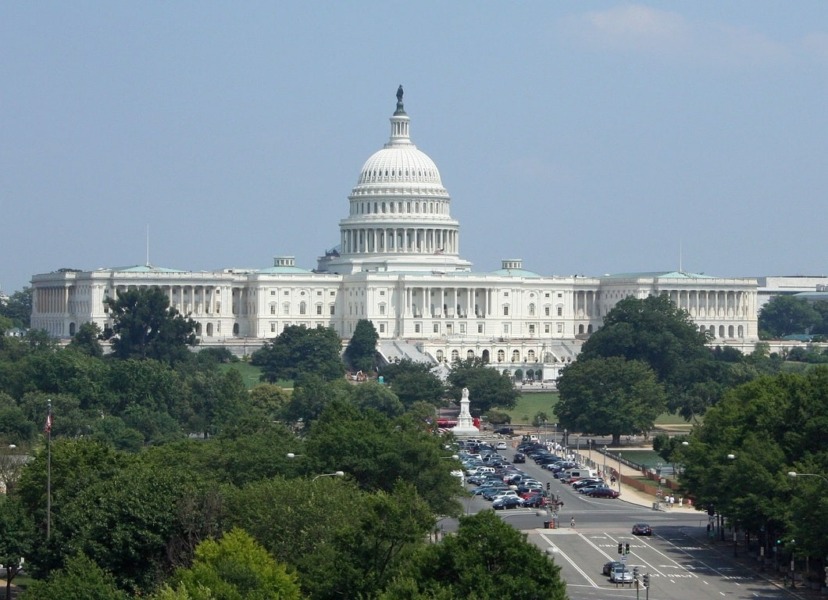
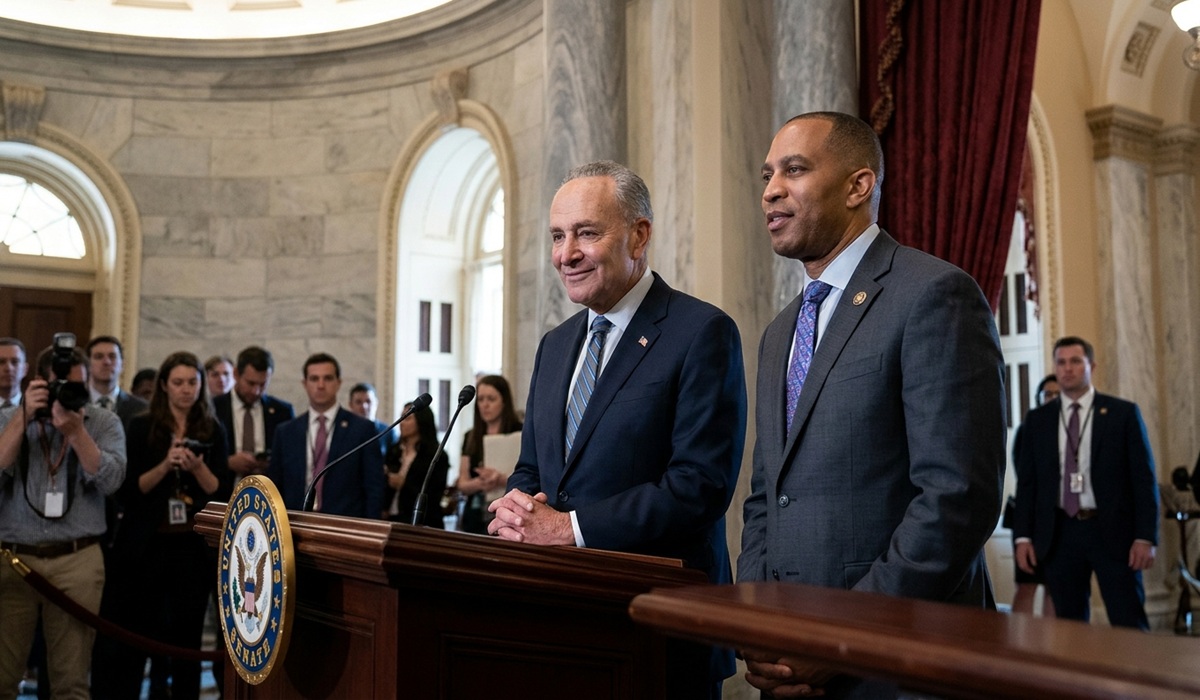
The halls of the United States Capitol are alive with quiet friction as Democrats prepare to take control of both chambers of Congress following a dramatic electoral turnaround. For years, Chuck Schumer in the Senate and Hakeem Jeffries in the House have represented the bedrock of Democratic leadership, anchoring party strategy through turbulent legislative cycles and divided governments. Yet, even amidst the jubilation of reclaiming congressional majorities, a subtle but persistent undercurrent of debate has emerged within the party ranks. A growing contingent of lawmakers and activists is quietly asking whether the party’s long-term future requires fresh leadership styles, even as Schumer and Jeffries stand firmly atop the political high ground following an impressive midterm performance.
At the core of the debate is an ongoing struggle over how Democrats should structure their governing posture in an increasingly polarized nation. Progressive backbenchers and younger representatives frequently argue that the traditional legislative playbook relies too heavily on incremental compromise and institutional norms that no longer suit the current political reality. Critics point to long-standing messaging gaps and advocate for a sharper, more aggressive economic platform designed to appeal directly to disaffected working-class voters. They want leadership that moves beyond defensive maneuvering, urging a bold legislative agenda that pushes the boundaries of executive oversight and structural reform. For these members, true party evolution means empowering a new generation of leaders who reflect the changing demographics and digital dynamics of modern political campaigning.
Yet, dismissing Chuck Schumer or Hakeem Jeffries is virtually impossible when weighed against the sheer scale of the electoral victories both leaders just engineered. Defying historical headwinds and political skepticism, Schumer led Senate Democrats back into the majority by picking up crucial seats in traditional battlegrounds and deep-red territory alike. His relentless phone calls, tactical candidate recruitment, and mastery of Senate procedure proved indispensable in building a broad, winning coalition. In the House, Hakeem Jeffries cemented his status as a formidable political manager, unifying a diverse and often volatile caucus to flip the lower chamber and position himself to become the first Black Speaker of the House. Dislodging leaders who have just delivered total control of Capitol Hill is a prospect few pragmatists are willing to entertain.
Beyond raw electoral success, both New York leaders possess deep structural support within their respective caucuses that makes any internal challenge an uphill battle. Schumer’s encyclopedic knowledge of individual member priorities allows him to keep moderate and progressive wings aligned, balancing competing demands without letting internal fractures destroy key votes. Jeffries, meanwhile, has earned widespread respect across the ideological spectrum for his disciplined communication style, cool demeanor under pressure, and ability to keep the party’s messaging tightly focused on kitchen-table economic issues. To their legions of supporters inside the Capitol, replacing seasoned operators who know how to wield power at the precise moment they regain control would be a strategic blunder of historic proportions.
The debate ultimately highlights a healthy tension between institutional experience and the constant urge for political renewal. While younger members continue to push for a broader seat at the strategy table, Schumer and Jeffries have proven that their steady hand and tactical discipline get results at the ballot box. As Congress prepares to convene, the focus will shift from internal leadership speculation to actual governance. How these two veteran leaders channel the caucus’s internal demand for change while managing their expanded majorities against a sitting opposition president will define the legislative trajectory of the country for years to come.
The political reality remains clear that success in Washington is measured by results, and both Schumer and Jeffries have earned immense political capital through their recent triumphs. Members who once privately voiced a desire for generational change are now acknowledging that winning covers a multitude of strategic disagreements. Rather than an abrupt changing of the guard, the Democratic Party appears headed toward an evolution where veteran leadership absorbs the energy of its younger flanks. Schumer and Jeffries are poised to lead with a renewed mandate, tasked with turning campaign promises into durable legislative outcomes while keeping a diverse majority firmly united.
About The Author