Ottawa’s Quiet Betrayal: Brussels Secretly Strips Trade Commitment from Joint Summit Declaration
- Kingston Bailey
- Canada
- November 5, 2026

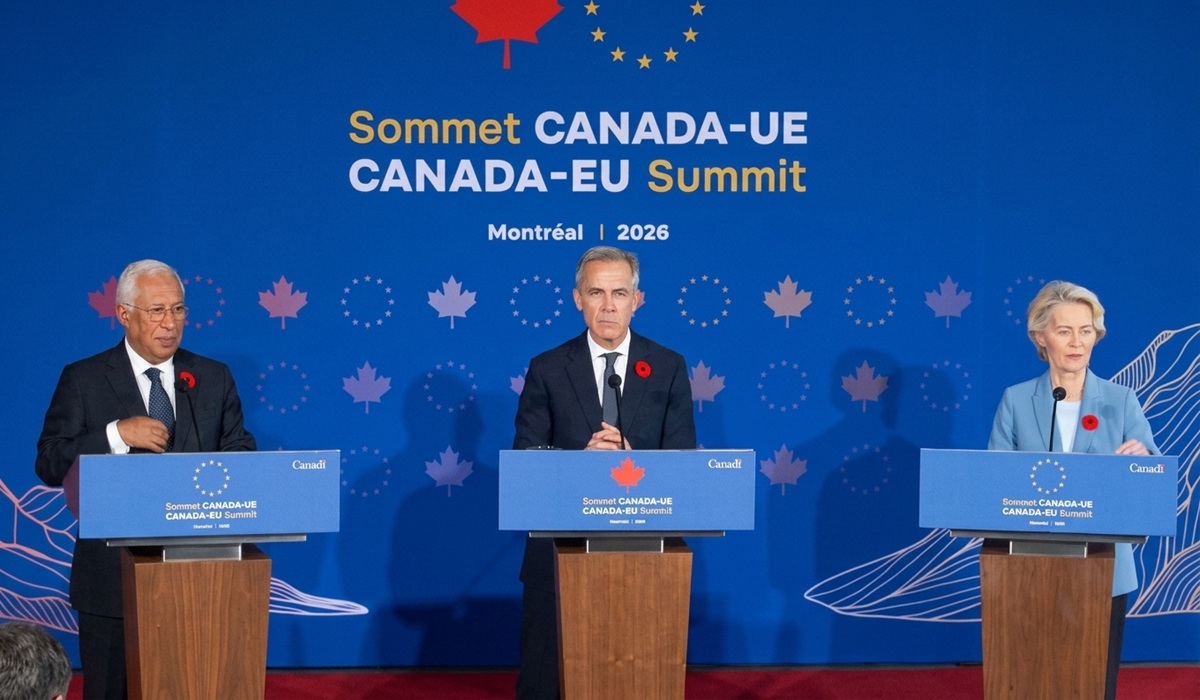
In a striking diplomatic disclosure on Capitol Hill today, Canada’s envoy to the European Union revealed that EU negotiators secretly stripped explicit language committing member states to ratify the decade-old Canada-EU Comprehensive Economic and Trade Agreement from their joint summit declaration.
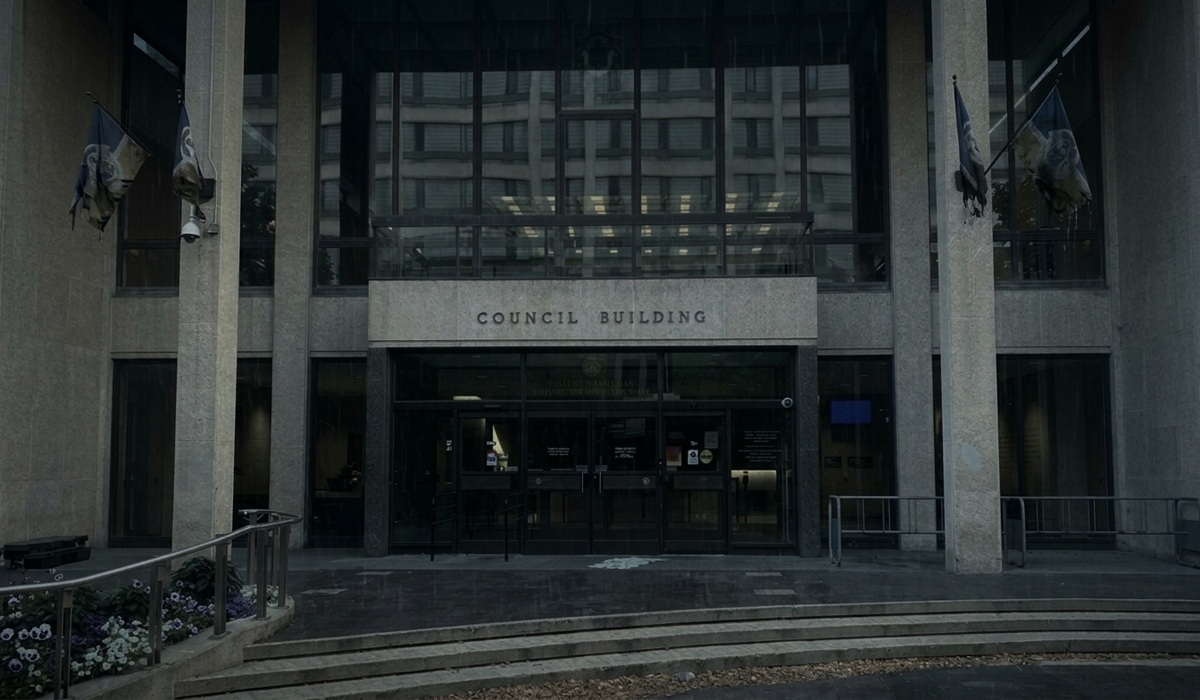
Testifying before the Senate Foreign Affairs Committee in Ottawa, Ambassador Jonathan Wilkinson confirmed that Brussels deliberately excised the ratification clause right before the final text was issued at the conclusion of the high-level summit in Montreal.
The disclosure shocked lawmakers on both sides of the aisle, who had previously been assured that transatlantic economic cooperation remained on solid legal footing. The committee room was filled with tense exchanges as senators pressed the ambassador on why the federal government failed to detect or prevent the sudden textual change before the summit concluded.
The sudden deletion exposes a major rift in transatlantic relations, signaling deep structural resistance within European capitals despite publicly celebrated agreements on energy, critical minerals, and security cooperation.
The official justification provided by European officials centered on growing pressure from individual member states who bristled at the perception of Brussels dictating national parliamentary votes. Nine of the twenty seven EU member states have still failed to ratify the comprehensive trade deal nearly ten years after its initial signing, leaving the agreement operating in a precarious state of provisional application.
Inside European capitals, agricultural lobbies and environmental advocacy groups have organized increasingly effective campaigns targeting national parliaments. These groups argue that full ratification could undermine local regulatory standards and expose domestic farmers to unfair competition, creating significant political risk for European lawmakers facing upcoming domestic elections.
Wilkinson admitted to senators that Canadian diplomats are now actively conducting outreach with surging political factions in Europe, including direct talks with representatives from foreign nationalist parties, in a driven effort to salvage the trade deal as political realignments sweep across the European continent.
This unorthodox diplomatic strategy marks a sharp departure from Ottawa’s traditional practice of engaging exclusively through official government channels. Canadian officials are now forced to navigate a fragmented political terrain, attempting to persuade euroskeptic lawmakers that trade ties with Canada offer strategic advantages without compromising national sovereignty.
This unannounced removal of core trade guarantees delivers a heavy blow to Ottawa’s broader economic strategy, which relies on CETA as a primary pillar for market diversification away from the United States. Canadian exporters, particularly in the agricultural, manufacturing, and tech sectors, face ongoing uncertainty regarding long term market access. Industry leaders have warned that without full ratification and legal certainty, major capital investments designed to expand transatlantic supply chains could be delayed or canceled altogether.
Federal economic planners have long argued that expanding commercial ties with Europe was essential to reducing Canada’s structural dependence on North American trade routes. The setback in Brussels leaves those long term diversification goals in jeopardy at a moment of heightened global economic volatility. While Canadian officials publicly expressed optimism that a handful of remaining nations might ratify the text over the next twelve months, today’s revelations before the Senate committee lay bare the fragile reality of Canada’s European access.
The quiet scrubbing of the summit document underscores how rapidly shifting domestic politics in Western Europe are directly threatening Canadian commercial interests on the international stage, forcing federal trade planners to reevaluate long term diplomatic assumptions. As the parliamentary committee prepares its final report on the matter, Canadian business leaders and international trade analysts are calling for a complete audit of Ottawa’s European diplomatic posture, signaling that the era of straightforward transatlantic consensus has officially come to an end.
About The Author