By: Donovan Martin Sr., Editor-in-Chief
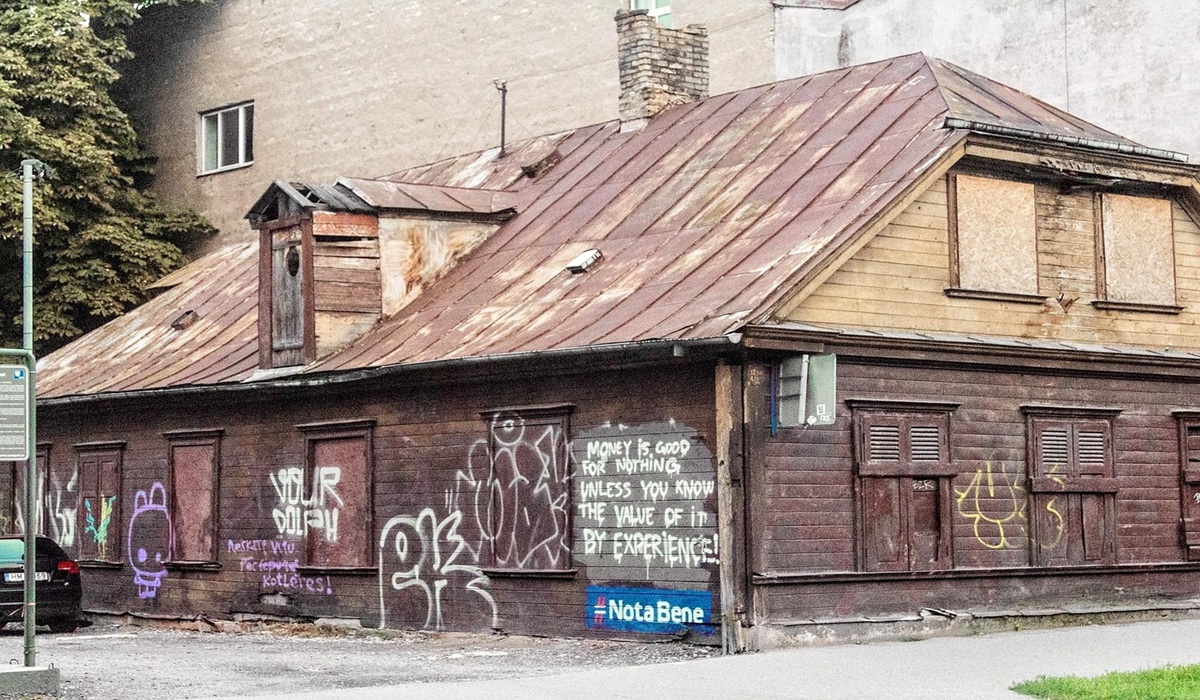
A walk through Winnipeg today reveals a harsh, undeniable reality that no glossy political campaign can gloss over. The sidewalks and alleyways bear the unmistakable signs of neglect, littered with discarded waste, uncollected debris, and scattered leaves that rot into the pavement season after season. Streets that ought to be a source of civic pride resemble neglected thoroughfares in a city that has surrendered to decay. In comparison to cities like Singapore, where civic cleanliness is treated as a point of national honour, or vast metropolises in China where public space is meticulously maintained, Winnipeg appears adrift and untended. Litter accumulates without consequence, and basic municipal upkeep seems to have fallen off the agenda entirely. Public spaces, once vibrant gathering points, have turned into open displays of human misery, with tent encampments dotting green spaces and individuals forced to live, sleep, and relieve themselves in full view of passersby. The sense of shared pride that once anchored the community feels dangerously eroded, replaced by a widespread frustration that things are falling apart while those at the top look the other way.
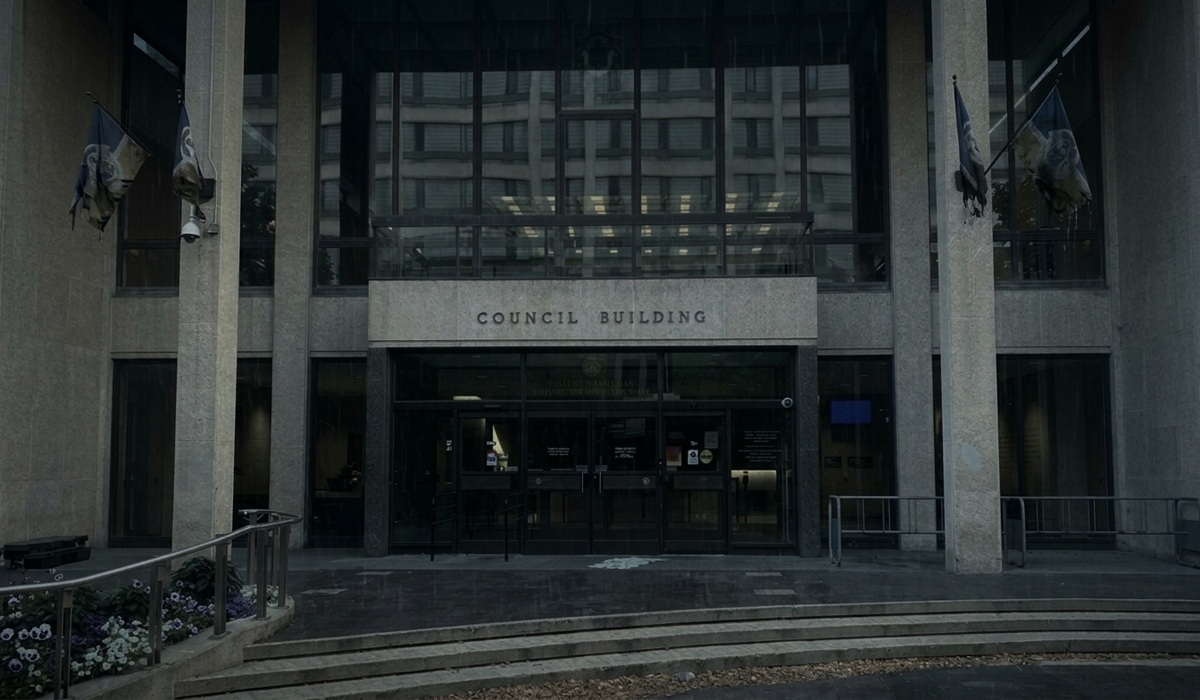
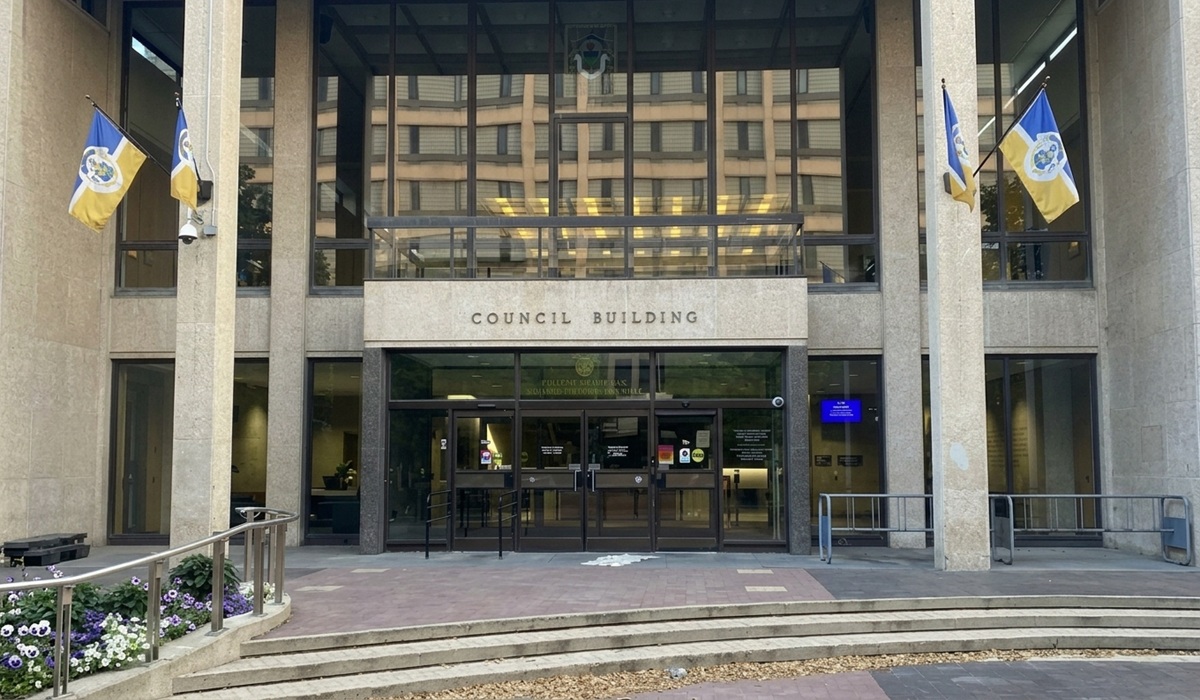
At the centre of this municipal inertia sits Mayor Scott Gillingham. Having spent nearly a decade as a city councillor before ascending to the mayor’s office, Gillingham can hardly claim to be an outsider arriving to clean up someone else’s mess. He is deeply entrenched in the system, having chaired the city’s finance committee and shaped the very policy framework that brought Winnipeg to its current state. Yet, observing his governing style, critics and observers alike often wonder who is truly driving the municipal agenda. To many residents, Gillingham appears less like a decisive, visionary leader and more like a figurehead whose moves are orchestrated by behind-the-scenes influences, senior administrative voices, or entrenched institutional interests. Watching his public appearances, one gets the uneasy impression of a leader following a script written by others, rarely demonstrating the raw conviction or independent thinking required to break through bureaucratic gridlock and make genuine, transformative changes for the community.
When confronted with legitimate criticism regarding the state of the city, the mayor’s default posture is seldom one of accountable reflection. Instead of stopping to listen to the everyday complaints of residents who navigate cracked roads, unsafe transit, and dirty streets, the response from City Hall is routinely defensive. Citizens are fed endless streams of statistics about record capital investments, line-item budget allocations, and historic spending totals. Yet these numbers mean very little to someone walking past piles of garbage or waiting for a bus that never arrives on time. Throwing money at a problem without effective leadership or direct operational accountability accomplishes nothing. The disconnect between official press releases touting success and the tangible reality on the ground has created a growing wall of cynicism between the public and their local government.
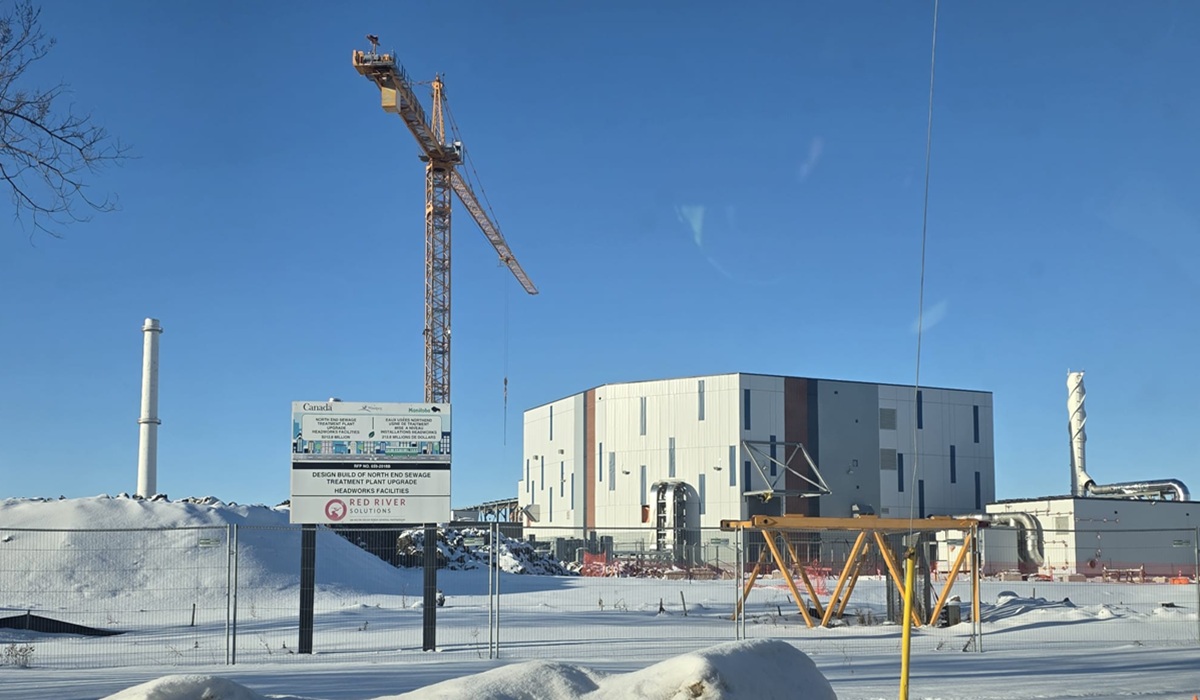
The structural issues confronting Winnipeg extend far beyond general grime and unkept streets. The city’s financial and infrastructure management reflects a deeper crisis of competence. Consider the notorious Arlington Bridge, an essential crossing that sat deteriorating for decades before being shut down, leaving entire neighbourhoods stranded in transit limbo while administrative paralysis prevented a timely, workable solution. Meanwhile, major capital projects suffer from staggering cost escalations that defy reasonable explanation. The North End Sewage Treatment Plant modernization, originally projected as a manageable capital undertaking, has ballooned into an astounding multi-billion-dollar financial sinkhole. As cost estimates climb past three billion dollars and head higher, every fresh infusion of provincial or federal tax dollars seems to disappear into a black hole of endless overruns. This ongoing budget expansion raises serious questions about municipal financial management, while revealing a stark inequity in how capital funds are distributed across the urban landscape. Residents in northern and mature neighbourhoods watch hundreds of millions flow toward suburban developments while their own basic infrastructure remains underfunded and pleading for mere crumbs.
Public safety and social services present an equally dire picture. Winnipeg has long struggled under the heavy burden of high violent crime rates and deep-seated systemic issues, repeatedly earning the grim designation of Canada’s murder capital. Frontline workers, including dedicated police officers, firefighters, and paramedics, work tirelessly around the clock to maintain order and protect human life, but their heroic efforts are consistently undermined by a municipal strategy that relies on temporary Band-Aids rather than structural reform. Homelessness continues to reach appalling levels across the city, yet the response remains fragmented and reactive. Public transit systems face declining safety conditions, rendering daily commutes stressful and unpredictable for regular transit users. Without strong, accountable leadership at the top willing to tackle the root causes of addiction, poverty, and urban crime, frontline workers will remain caught in an endless cycle of damage control.
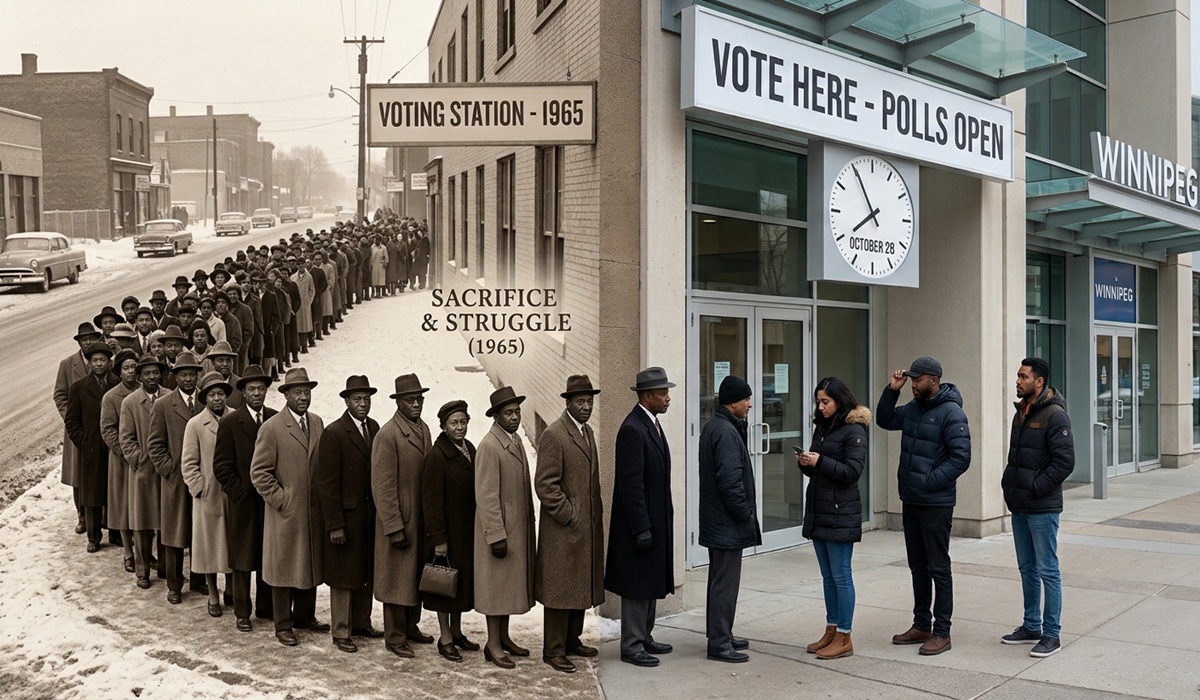
Yet, as much as responsibility rests on the mayor and his administration, a troubling portion of the blame belongs to the electorate itself. The most recent municipal election produced an abysmal voter turnout of just thirty-five percent. In a democratic society where generations fought courageously to secure the right to vote, nearly two-thirds of the eligible voting population chose to stay home on election day. To demand sweeping change while refusing to exercise the basic democratic right to vote is a fundamental contradiction. Those who stayed home or passively voted to re-elect the same political establishment cannot be surprised when the outcome remains identical. Re-electing the same individuals while expecting a different result is the definition of political futility. A new cohort of city councillors may occupy the chamber, but without a fundamental shift in executive leadership and a clear vision from the mayor, the city’s direction remains frozen in place.
It is heartbreaking to acknowledge these harsh realities in a city known for its warm, resilient residents and rich cultural heritage. Winnipeg is a place capable of extraordinary warmth and community spirit, filled with people who genuinely care about their neighbours and desire a prosperous, safe, and clean home. There is always a desire to remain optimistic about the future of this vibrant Prairie community. However, optimism must be grounded in truth rather than wishful thinking. Given the track record of the current mayor, his long history in city government, and his persistent reluctance to accept direct accountability for the city’s visible decline, there is little reason to believe that the next four years will bring a meaningful departure from the past.
The consequences of political apathy and ineffective governance are not abstract; they are borne daily by the citizens who must live in the mess, navigate broken roads, and worry about public safety. Winnipeg stands at a critical juncture, and the path forward requires more than passive complaints. Real change requires an engaged citizenry that refuses to tolerate municipal neglect, demands full transparency, and holds its elected officials to the highest standards of stewardship. Until the people of Winnipeg demand true leadership and actively participate in the democratic process, they will be forced to endure the consequences of the choices made at the ballot box. One can only hope that when the next election arrives, the citizens of Winnipeg will finally decide that they deserve better, step up to exercise their democratic duty, and choose a brand-new direction for their city.
About The Author