PIMS Cardiology Department Where Medical Excellence Meets Humanity
- Naveed Aman Khan
- Pinpoint
- November 6, 2026
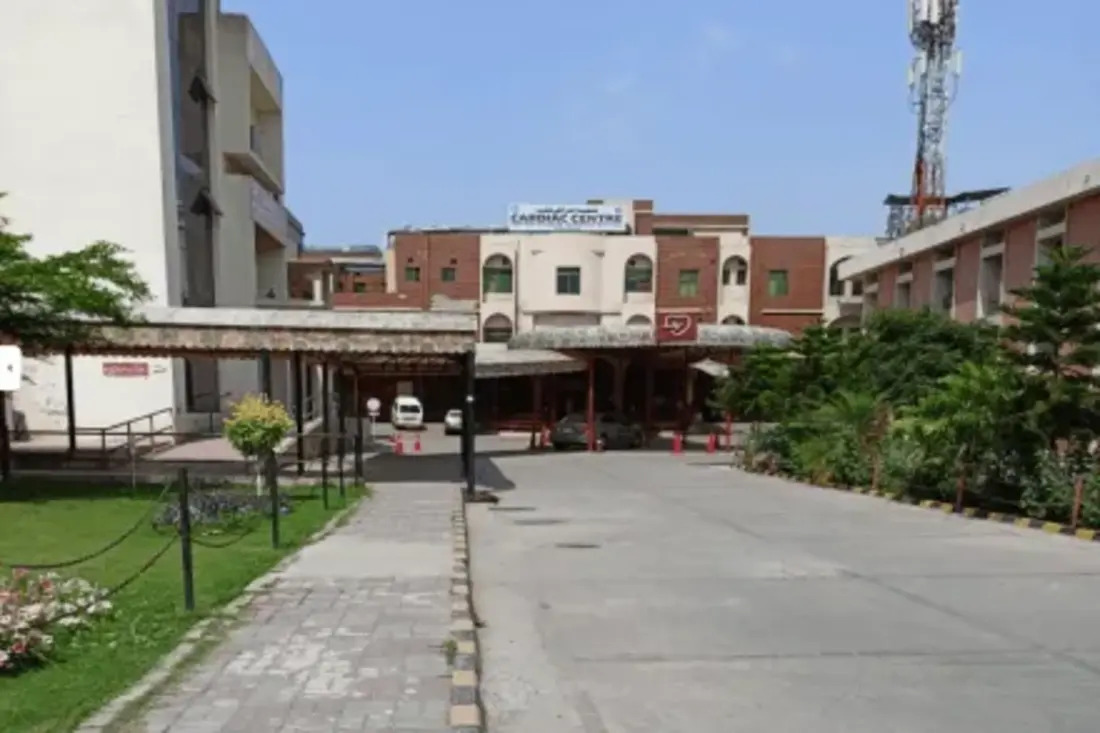
There are moments in life when personal experiences compel us to reconsider our opinions, challenge our assumptions, and acknowledge the contributions of people who quietly serve humanity. PIMS, has often faced criticism over the quality of medical services, patients’ treatment, administrative shortcomings, and the behavior of some hospital staff. However, my recent personal experience with its Cardiology Department has given me different perspective, regarding professionalism, dedication, and humanitarian spirit of its medical leadership and team.
My younger brother recently suffered serious cardiac arrest, an emergency in which every passing moment makes the difference between life and death. At that critical moment, we had to depend on the medical expertise, timely intervention, and professional commitment of the doctors at PIMS. What followed was an experience that changed my perception of PIMS. Under the supervision and leadership of Dr. Syed Nasir Ali Shah Consultant Cardiologist, my brother received treatment without any financial charges. Doctors and medical staff worked with dedication and responsibility, providing the necessary care during difficult period for our family. For us, their efforts were not merely a medical service; they represented an opportunity for a loved one to live again.
I appreciate and acknowledge the professional commitment and humanitarian approach demonstrated by Dr. Syed Nasir Ali Shah Consultant Cardiologist and his team, including Dr. Sohail Habib, Dr. Ali Raza, Dr. Liaqat Rind, Dr. Abdul Jabbar, and other doctors and healthcare professionals. Their collective efforts deserve recognition because saving lives in hospital requires much more than medical qualifications. It demands patience, compassion, teamwork, professional discipline, and a willingness to serve.
Cardiac emergencies are among the most frightening medical situations for patients and their families. A cardiac arrest can transform an ordinary day into a life-threatening crisis. In such circumstances, families are often emotionally shattered and financially vulnerable. They need doctors who can combine clinical knowledge with empathy and reassurance. My experience demonstrated that the PIMS Cardiology Department, within its available resources and facilities, is making a meaningful contribution to this humanitarian responsibility.
One encouraging aspect of this experience was the provision of treatment without cost. In a country where quality healthcare is beyond the financial reach of millions of ordinary citizens, availability of specialized cardiac treatment is of enormous importance. Many families can’t afford expensive consultations, diagnostic procedures, emergency interventions, hospital admissions, and long-term medication.
Despite the encouraging standard of treatment, one significant concern emerged during our experience: the limited availability of essential life-saving medicines at the Cardiology Department’s dispensary. While patients may receive medical attention and specialized treatment without charge, the absence of some prescribed medicines can create additional financial pressure for needy families. Cardiac patients require continuous medication to prevent complications, manage blood pressure and cholesterol, regulate heart function, and reduce the risk of another cardiac emergency.
Availability of prescribed medicines, follow-up consultations, diagnostic facilities, rehabilitation services, and continuing medical supervision are important components of comprehensive cardiac care. A patient who receives successful emergency treatment but can’t afford essential medicines afterward remains vulnerable. The PIMS administration must address this gap through a sustainable and monitored medicine-supply system.
Government should allocate sufficient funds to ensure that the Cardiology Department maintains an adequate stock of essential and life-saving medicines. Hospital administration must regularly assess medicine requirements, improve procurement procedures, strengthen inventory management, and introduce transparent monitoring to prevent shortages. A dedicated pharmacy support mechanism for financially disadvantaged cardiac patients could also help ensure that no patient is forced to discontinue prescribed treatment because of poverty.
Government should strengthen public-sector cardiac healthcare through modern diagnostic equipments, advanced cardiac intervention facilities, trained nursing staff, additional medical personnel, and improved emergency-response arrangements.
My experience has changed my understanding of PIMS and, reminded me that genuine public service still exists within our institutions. Dr. Syed Nasir Ali Shah Consultant Cardiologist and his colleagues deserve appreciation and acknowledgement not simply because they treated my brother without charging us, but because their professional commitment demonstrated how medical expertise can be combined with humanity. Their contribution should be acknowledged by the hospital administration and the government, while providing them with the resources and institutional support necessary to continue serving patients. PIMS administration and Health Ministry is doing remarkable job to improve health services to the humanity.
Successful healthcare system is measured not only by the number of hospitals it operates or the money it spends, but by the lives it saves and the dignity it offers to people in their most vulnerable moments. The PIMS Cardiology Department has demonstrated that public healthcare can provide professional, compassionate, and accessible treatment when committed leadership and teamwork are present. Life-saving medicines and modern facilities should be expanded. No poor patient should have to choose between purchasing essential medicines and meeting the basic needs of their family.
For my family, the dedication of Dr. Syed Nasir Ali Shah Consultant Cardiologist, Dr. Sohail Habib, Dr. Ali Raza, Dr. Liaqat Rind, Dr. Abdul Jabbar, and their colleagues will remain source of gratitude. Their efforts have given my younger brother another opportunity to live. This personal experience has taught me profound lesson: medicine becomes true service to humanity when professional excellence is accompanied by compassion, and saving life becomes more important than financial reward. That is the standard of healthcare Pakistan must encourage, protect, and expand.
About The Author