By: Donovan Martin Sr, Editor in Chief
There is a difference between being powerful and being in control of the direction things are moving. In 2026, the United States is still a dominant force militarily, culturally, and technologically, but it is no longer setting the tone of the global economy. That role has increasingly shifted toward China, which now functions as the central engine of global trade, supply chains, and manufacturing momentum. This is not a matter of opinion or political leaning. It is the result of measurable shifts in production, exports, infrastructure investment, and global alignment.
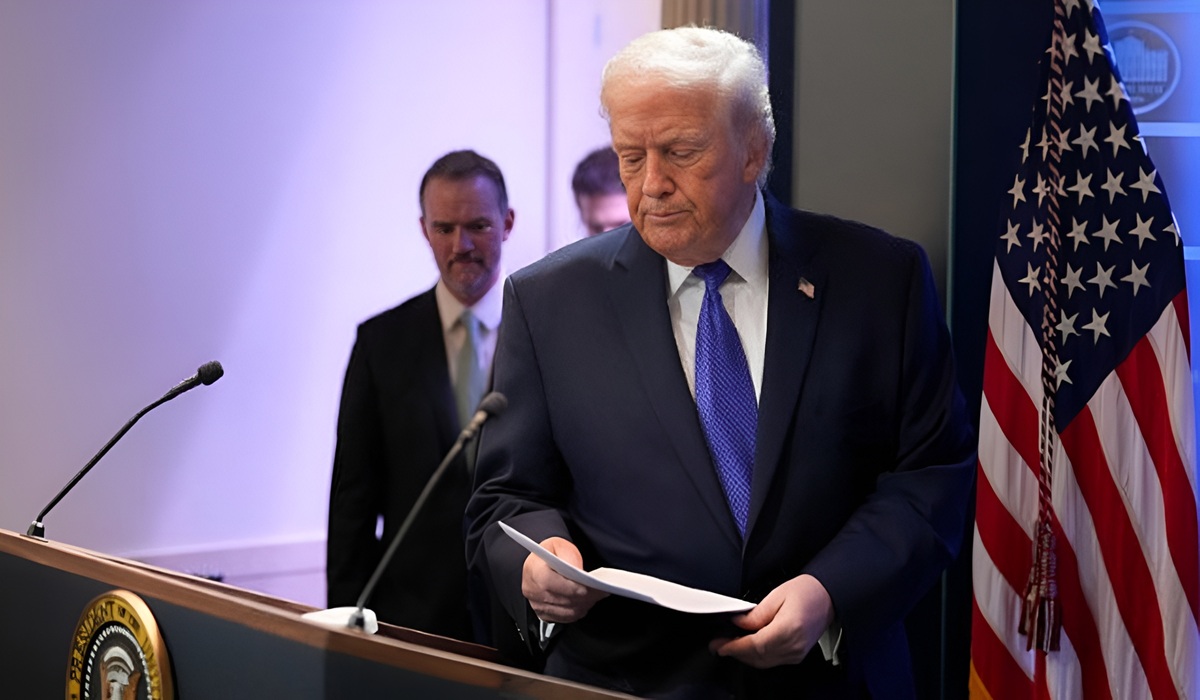
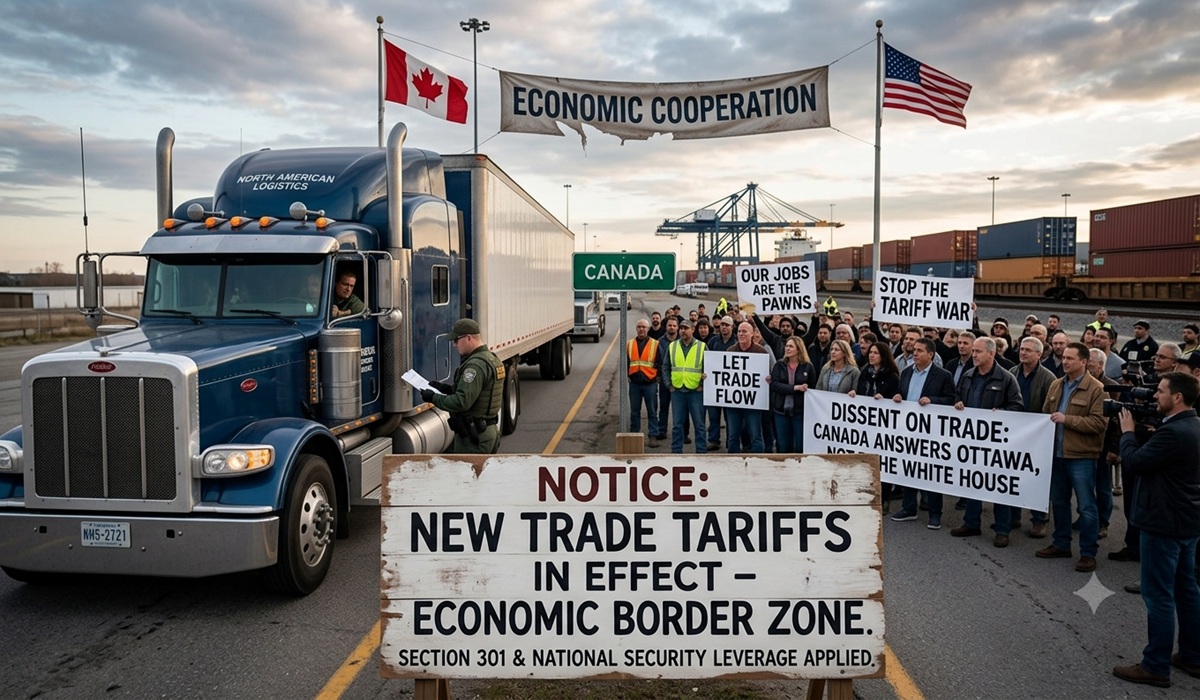
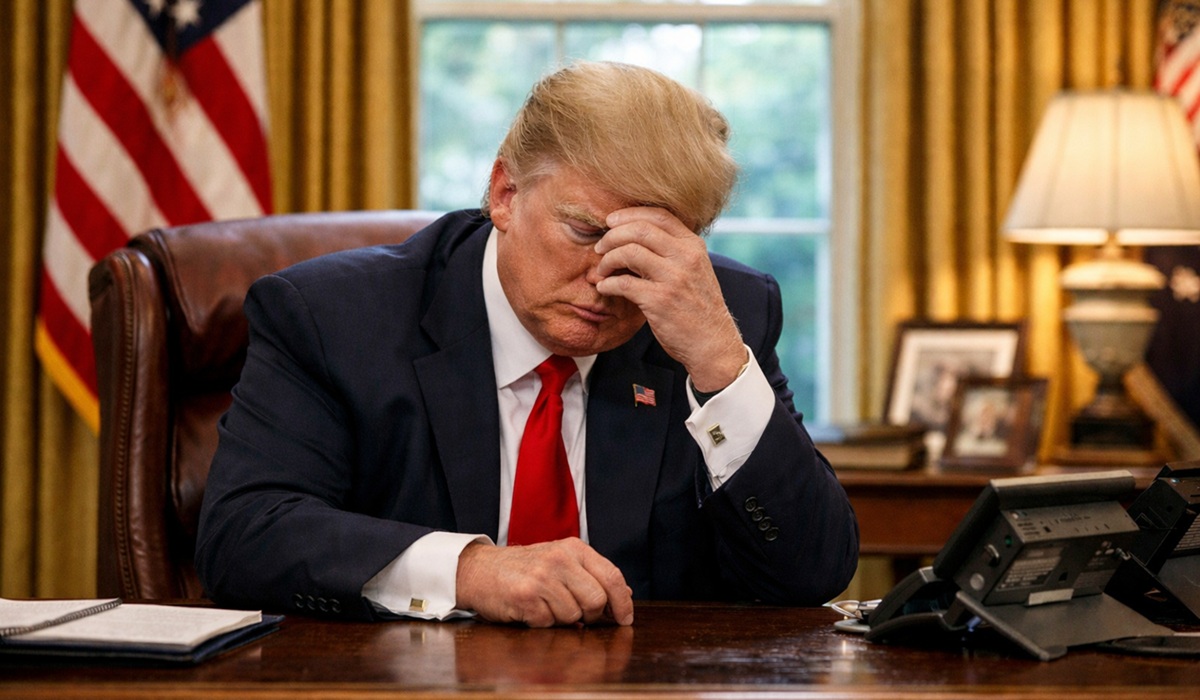
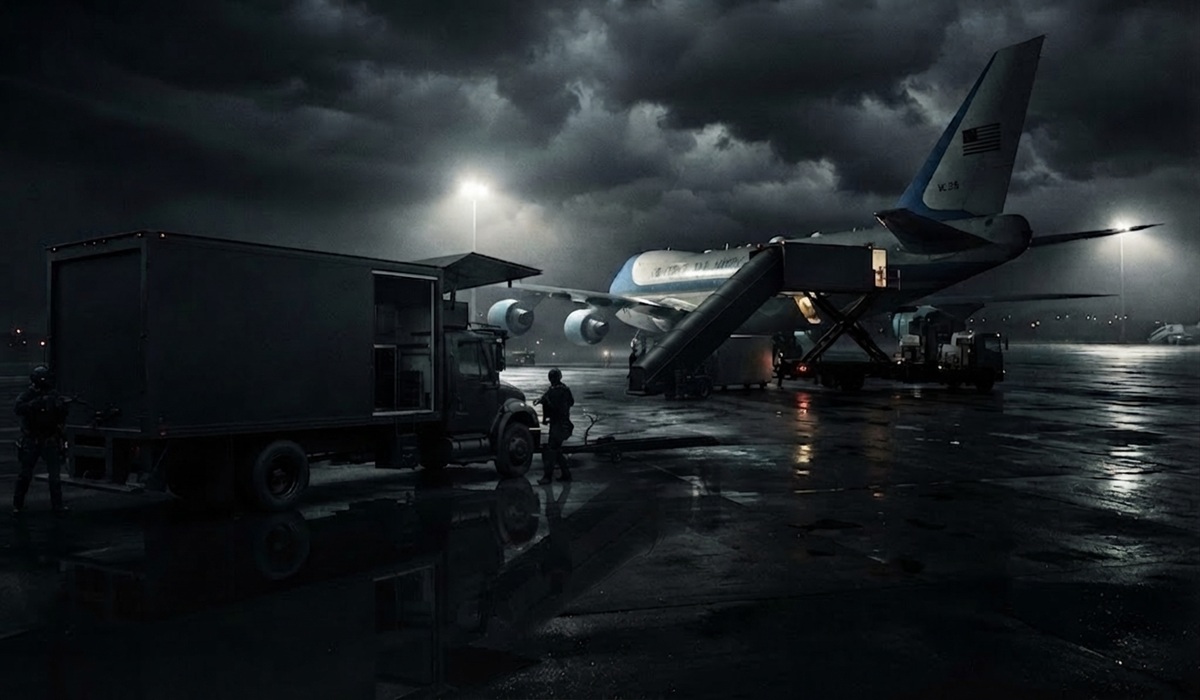
Under President Donald Trump, the country has doubled down on tariffs, trade confrontations, and an economic approach rooted in pressure rather than partnership. The intention behind these policies is clear: bring jobs back, protect domestic industries, and force better trade terms. The outcome, however, has been far more complicated, and in many cases, damaging to the very sectors they were meant to protect.
Agriculture is one of the clearest examples. American soybean farmers have been hit hard by retaliatory tariffs, particularly from China, which was once their largest buyer. As trade tensions escalated, China shifted significant portions of its soybean imports to Brazil and other countries. That shift did not just create a temporary disruption; it rewired supply chains. Even when tensions ease, those markets do not simply snap back. Farmers across the Midwest have faced falling prices, shrinking export demand, and increasing reliance on government subsidies to stay afloat. Corn producers have experienced similar volatility, with export uncertainty making long-term planning far more difficult. These are not isolated setbacks. They represent structural changes in global agricultural trade that have weakened a once-dominant position.
Manufacturing tells a similar story, though it is often framed differently. Tariffs on imported materials such as steel and aluminum were intended to protect domestic production, but they also raised costs for American manufacturers that rely on those materials. Auto manufacturers, construction firms, and equipment producers have all faced higher input costs, which are then passed on to consumers or absorbed through reduced margins. In some cases, companies have moved parts of their operations abroad to remain competitive, undermining the very goal of reshoring jobs. Smaller manufacturers, without the scale to absorb these costs, have been hit the hardest, with some forced to scale back or shut down entirely.
The broader economic picture reflects these pressures. Growth has become more uneven, and while certain sectors continue to perform well, others are clearly contracting or stagnating. The idea that tariffs alone would spark a manufacturing renaissance has not materialized in the way it was promised. Instead, what has emerged is a more fragmented industrial base, where gains in one area are offset by losses in another.
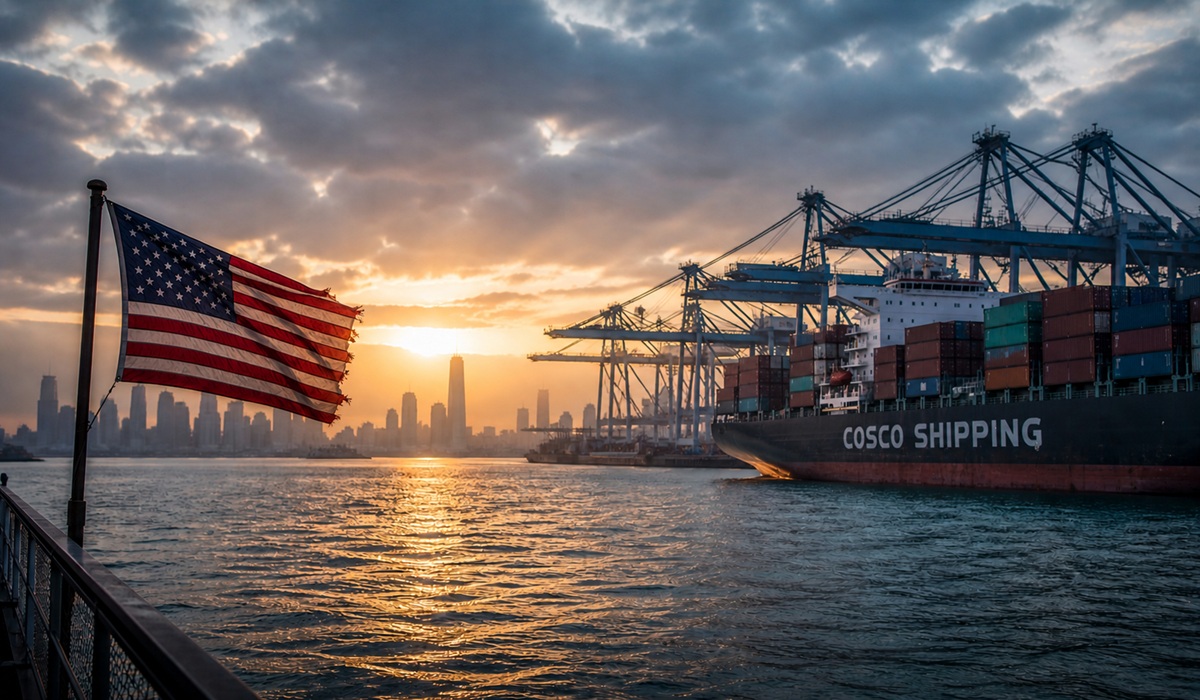
Meanwhile, China has continued to expand its influence with a different strategy. Rather than pulling back from global trade, it has deepened its connections, investing heavily in infrastructure, logistics, and long-term supply agreements across Asia, Africa, and beyond. Through initiatives that tie countries into its economic orbit, China has positioned itself not just as a manufacturer, but as the backbone of global commerce. When supply chains shift, they increasingly flow through Chinese systems, ports, and financing structures. That is what it means to set the pace.
None of this erases the strengths of the United States. It remains a leader in innovation, finance, and military capability, and its economy is still one of the largest and most influential in the world. But influence is no longer the same as direction. The ability to dictate terms is being replaced by the need to compete within a system that is no longer centered solely around American priorities.
What makes this moment significant is not just the rise of another power, but the self-inflicted challenges that have accelerated the shift. Trade wars, inconsistent policy signals, and a confrontational approach to allies have all contributed to an environment where trust has eroded. Global partners are adjusting, diversifying their relationships, and in many cases, looking elsewhere for stability.
The United States is not collapsing, and it is not disappearing from the global stage. It is, however, operating in a different position than it once did. The era of setting the global economic tone without serious competition has ended. The question now is whether it adapts to that reality or continues to push against it, even as the world moves in another direction. American hegemony has collapsed!
About The Author