Iran Is Winning the Propaganda War Against the United States With Lego Videos
- Hami Aziz
- U.S.A
- May 6, 2026
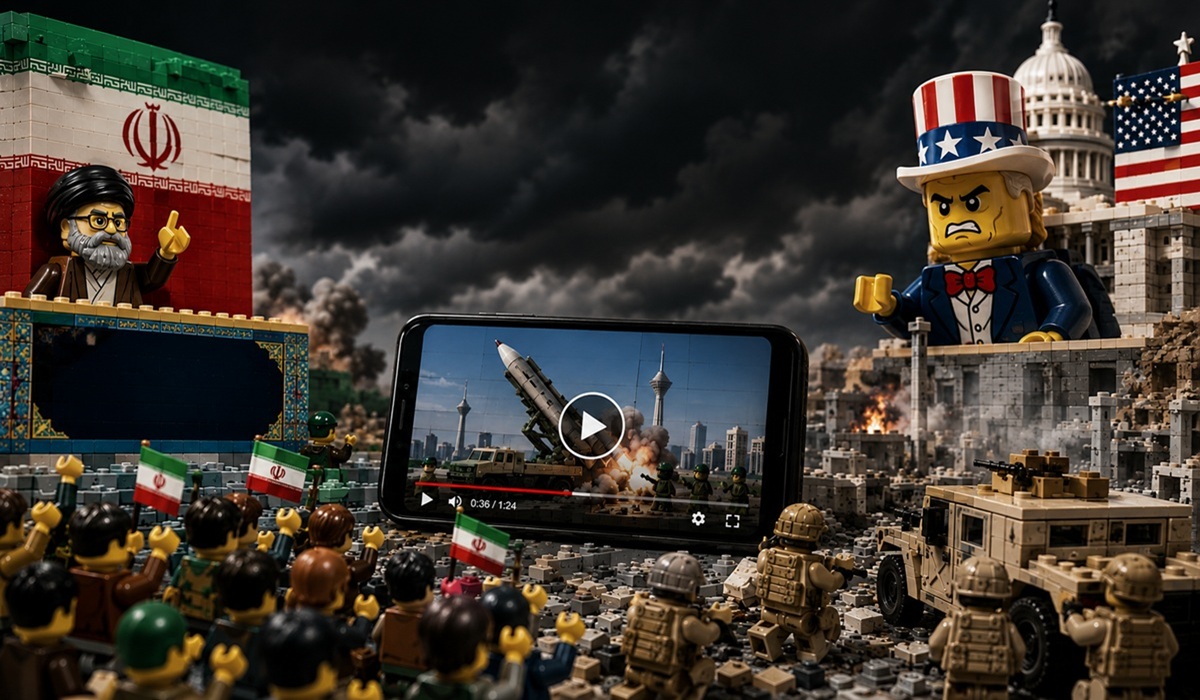
One of the strangest developments in global politics this year is not happening through military strikes, diplomatic summits or traditional television broadcasts. Instead, it is unfolding through short, highly shareable Lego-style animated videos flooding social media platforms and quietly helping Iran win a propaganda battle against the United States.
The videos are bizarre at first glance. Brightly coloured Lego characters, exaggerated cartoon voices and satirical storylines would normally seem more connected to children’s entertainment than international conflict. Yet behind the humour is carefully crafted political messaging designed to shape public opinion, embarrass the United States and present Iran as defiant, clever and culturally adaptable.
What makes the campaign so effective is that it does not feel like old-fashioned propaganda. There are no long speeches, dramatic military parades or obvious government broadcasts. Instead, the content blends internet culture, memes and political satire into clips short enough to spread rapidly across TikTok, Instagram, X and encrypted messaging apps.
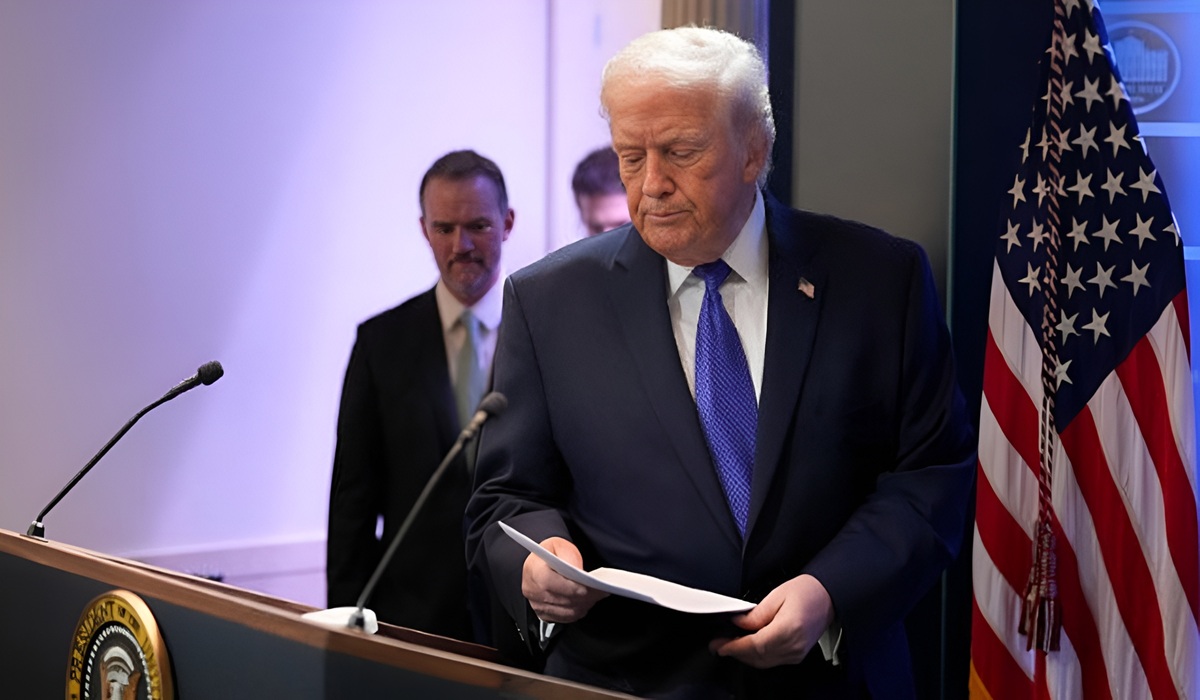
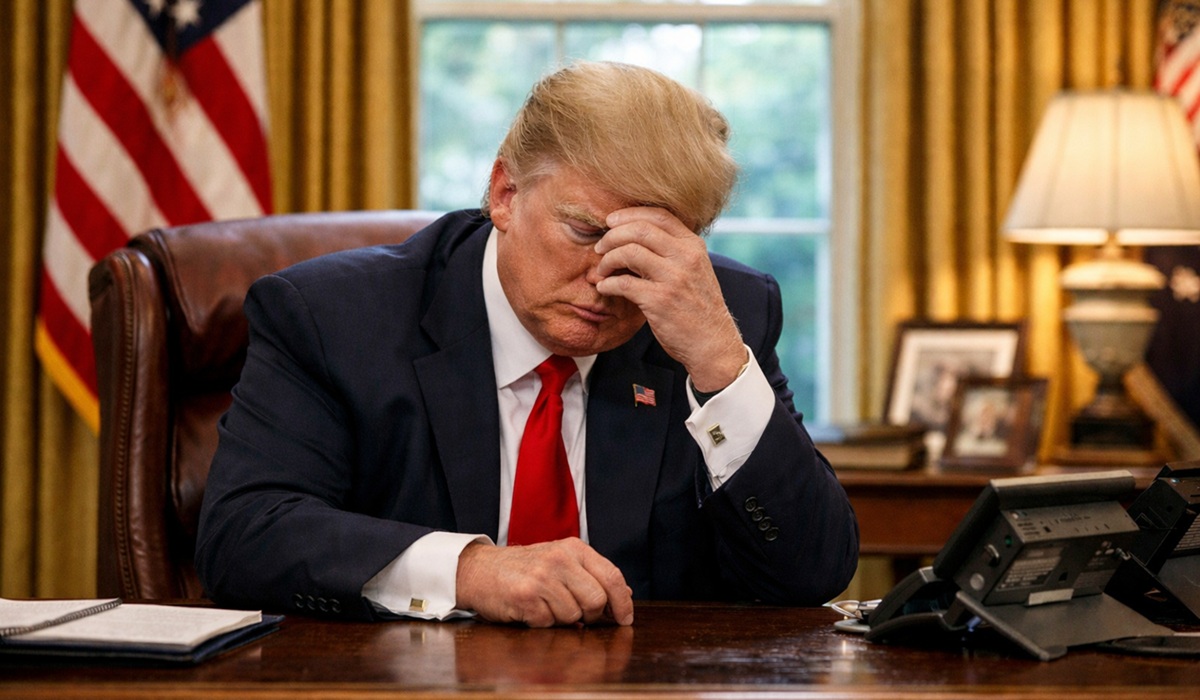
Many of the videos mock Donald Trump directly, portraying him as reckless, unstable or manipulated by military advisers and corporate interests. Others ridicule U.S. foreign policy in the Middle East, especially Washington’s relationship with Israel and its continued military presence throughout the region. Some videos frame Iran as standing up against Western bullying, while others portray America as an exhausted superpower increasingly losing global influence.
The reason these videos matter is because propaganda has fundamentally changed. During the Cold War, influence campaigns relied heavily on television, newspapers and radio. Today, the battlefield is algorithm-driven attention. Whoever creates the most emotionally engaging content often controls the narrative, regardless of military strength.
Iran understands this shift extremely well.
Iranian media operations and online supporters have adapted quickly to internet culture, producing content that younger audiences actually consume willingly. The Lego format is particularly effective because it lowers people’s defenses. Humour makes audiences more receptive. Satire spreads faster than formal political messaging. A 30-second cartoon can sometimes influence public perception more effectively than an hour-long government speech.
The timing of this propaganda push is not accidental. Tensions between Washington and Tehran remain high, especially surrounding shipping routes, sanctions and nuclear negotiations. The United States recently paused aspects of its aggressive posture around the Strait of Hormuz as negotiations continue behind closed doors. Iran has used that pause to argue that resistance works and American pressure is weakening.
Tehran’s strategy is not necessarily about convincing everyone to support Iran. Instead, the goal is often to create doubt about American leadership and consistency. If enough global viewers begin seeing the United States as chaotic, hypocritical or overextended, Iran scores a strategic victory without firing a shot.
This matters internationally because the audience extends far beyond the Middle East. These videos are reaching viewers in Europe, Africa, Latin America and even North America itself. Younger audiences increasingly consume politics through entertainment formats rather than traditional journalism. Iran’s messaging operations are exploiting that reality.
The United States still dominates entertainment globally, but its government communication style often feels outdated compared to modern internet culture. Official statements, press conferences and carefully scripted messaging struggle to compete against emotionally charged viral content designed specifically for algorithmic engagement.
There is also another uncomfortable truth for Washington: some of the criticism inside these videos resonates because global frustration with American foreign policy already exists. Wars in Iraq and Afghanistan, continued instability in the Middle East, civilian casualties and shifting alliances have left many international viewers skeptical of U.S. moral authority. Iran’s propaganda machine taps directly into those frustrations.
Artificial intelligence is making this situation even more dangerous. AI-generated voices, animations and editing tools now allow small media teams to produce professional-looking propaganda at almost no cost. Governments no longer need billion-dollar media infrastructures to compete in information warfare. A handful of skilled creators with laptops and AI software can now reach millions of viewers worldwide.
This represents a major shift in geopolitical power. Smaller nations and non-state actors can increasingly challenge global superpowers through digital influence operations alone. Information warfare is becoming cheaper, faster and far more decentralized.
The irony is difficult to ignore. The United States helped create the social media ecosystem dominating the modern world, yet adversaries are increasingly using that same ecosystem against America itself. Platforms built for entertainment and engagement are now geopolitical weapons.
The Lego videos may seem ridiculous, but dismissing them would be a mistake. They represent the future of propaganda: fast, emotional, funny, visually recognizable and deeply shareable. They are not replacing military power, but they are shaping how military power is perceived globally. And perception increasingly matters just as much as force.
About The Author