Qatar at the Breaking Point: Surrender Talks Emerge as Destruction Mounts
- Hami Aziz
- Breaking News
- Middle East
- March 27, 2026
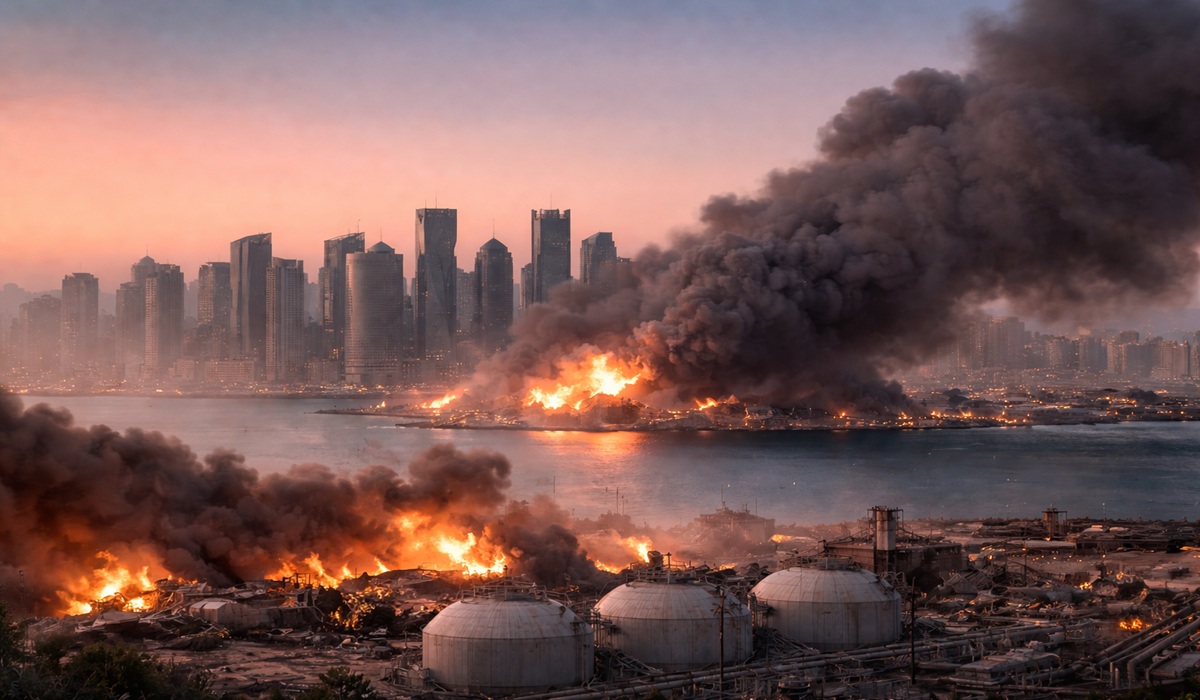
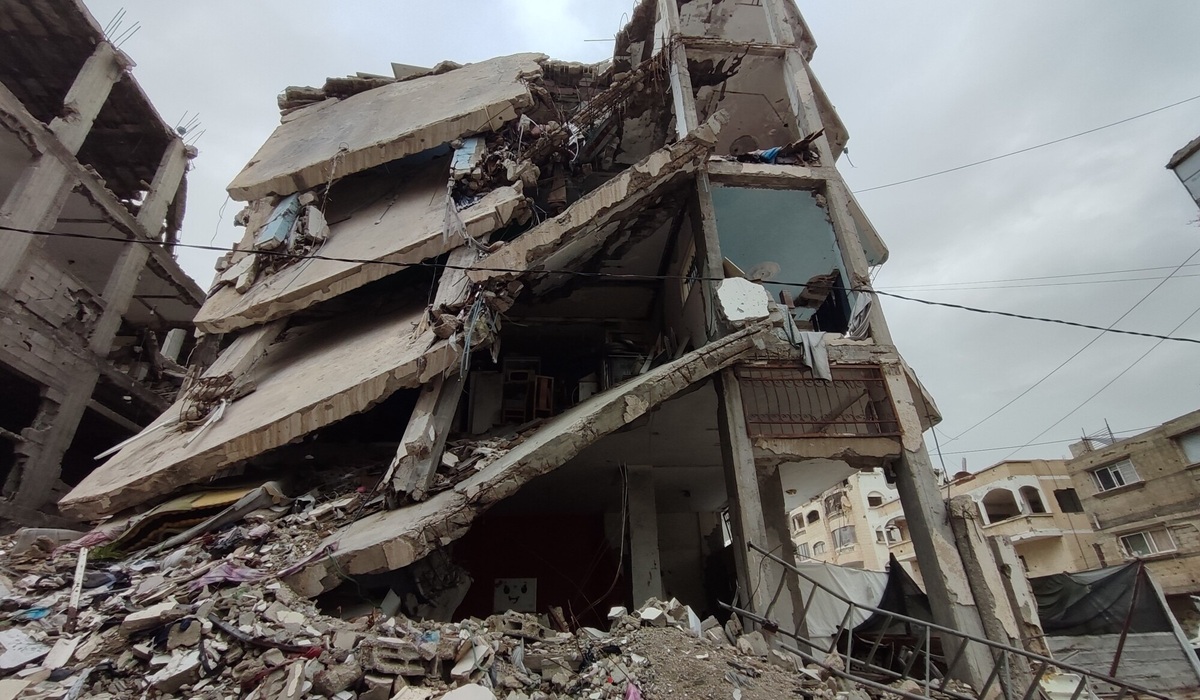
The destruction of Qatar’s energy infrastructure has shifted the conversation from damage assessment to something far more consequential, as quiet but persistent talk begins to center on whether the country is being forced toward a form of surrender to avoid further devastation. What started as a series of strikes on critical oil and liquefied natural gas assets has now evolved into a broader question about how much more the state can absorb before it is pushed into making irreversible decisions.
Across diplomatic circles and regional power brokers, the tone has changed. The discussion is no longer just about repairs, losses, or timelines for recovery. It is about survival and the limits of endurance. With major portions of its energy backbone compromised, Qatar is facing a level of pressure that cuts directly into its ability to function as a stable economic force. The numbers alone—tens of billions in damage—only begin to capture what has been lost. The deeper issue is the vulnerability that has now been exposed.
Within that environment, the idea of Qatar conceding ground in order to prevent further destruction is no longer being dismissed outright. The conversation has turned to what such a move would look like, what it would cost, and how it would reshape the region. Any shift of that magnitude would inevitably involve Iran, whose position in the unfolding crisis remains central, and the continued presence of the United States military footprint inside the country.
The role of Al Udeid Air Base now sits at the heart of these discussions. As the largest American installation in the region, it represents both strategic protection and strategic risk. Its existence ties Qatar directly into a broader conflict dynamic, and in the current climate, that connection is being reexamined through a far more urgent lens. The question is no longer just about alliance, but about consequence.
What is emerging is a stark calculation. Continue absorbing strikes and risk deeper structural collapse, or move toward a form of accommodation that could halt the damage but fundamentally alter Qatar’s standing and relationships. That is the tension now driving the conversation. It is not being shouted in official statements, but it is being spoken in quieter channels where outcomes are often shaped long before they are announced.
For a country that has built its modern identity on stability, wealth, and strategic positioning, this moment represents something entirely different. The infrastructure can be rebuilt over time. The financial losses, while immense, can eventually be absorbed. But the decisions being weighed now—under pressure, under threat, and under the weight of what has already been lost—carry consequences that extend far beyond pipelines and production.
What is being discussed is not just recovery. It is whether Qatar chooses to endure further destruction or accept terms that could redefine its role in the region. That is the conversation taking hold, and it is one that signals just how far the situation has already escalated.
About The Author