Britain Is Not Collapsing. It Is Exhausted.
- Naomi Dela Cruz
- Tiger's Eye Advisory Group - Trending News
- United Kingdom
- May 27, 2026
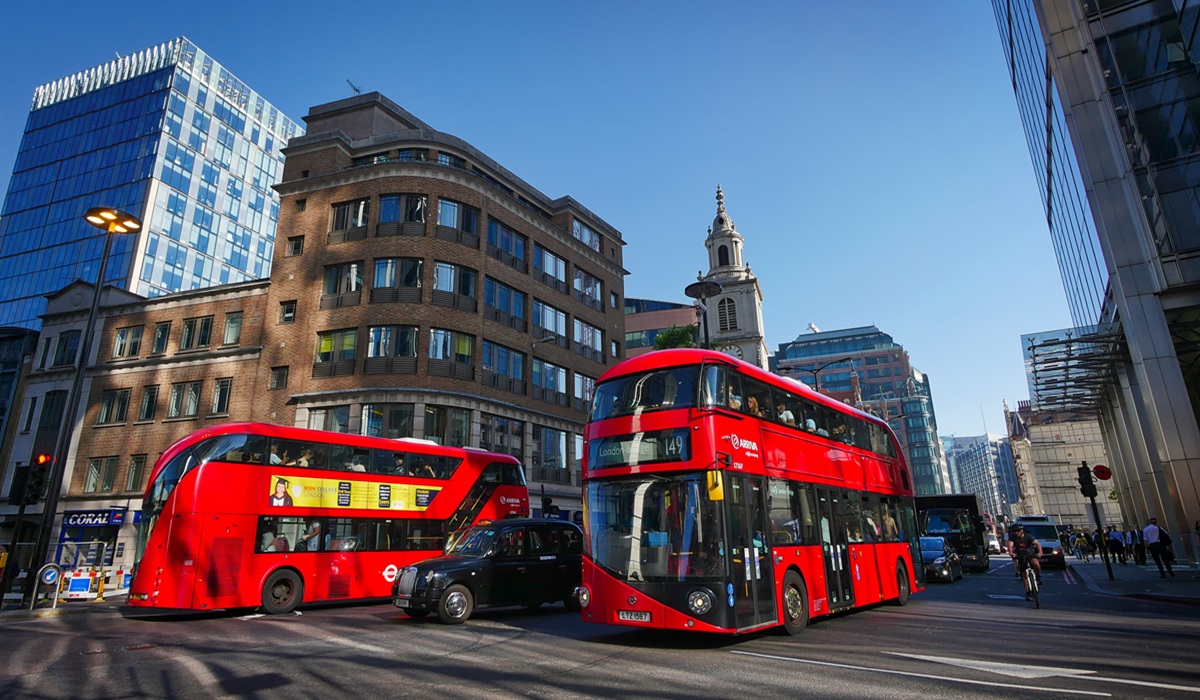
Image Credit: Albrecht Fietz
Britain is not at war in the traditional sense, yet parts of the country feel like they are living through the emotional aftershock of something long and draining. Not one singular disaster. Not one defining moment. Just years of pressure accumulating on top of pressure until the national mood itself has started to change. The trains still move. The lights still come on. The pubs still fill on Friday nights. But beneath the routines, there is a growing sense that the country is functioning through fatigue rather than confidence.
What makes modern Britain difficult to explain is that the country still looks stable from the outside. Tourists still crowd London streets taking photographs of Buckingham Palace, red buses, and landmarks tied to generations of history. The image remains powerful. Britain still carries the weight of tradition better than almost any country on Earth. Yet behind the image is a population increasingly asking itself whether the systems that once defined British stability are beginning to wear thin under constant strain.
The frustration is not just economic, although money sits at the centre of much of it. Food costs remain high. Housing feels increasingly unattainable for younger people. Renting no longer feels temporary for many families but permanent. Energy prices, transportation costs, and stagnant wages have created a reality where millions of people feel as though they are constantly recovering from the previous month instead of planning for the future. That kind of pressure changes a society slowly at first, then all at once.
What is striking about Britain right now is how quiet the exhaustion has become. The anger that once exploded during Brexit debates or leadership collapses has settled into something colder. People still complain, but many no longer seem shocked. Political scandal barely holds public attention for long anymore because instability itself has become normalized. Prime ministers come and go. Promises rise and collapse. The public watches, shrugs, and continues trying to pay bills that seem to grow faster than paycheques.
The National Health Service has become one of the clearest mirrors reflecting that exhaustion back at the country. The NHS is not just a healthcare system in Britain. It is emotional infrastructure. It represents fairness, dignity, and the belief that society should care for people regardless of wealth. When wait times grow, hospitals become overwhelmed, and exhausted staff continue leaving under pressure, the public does not simply see a service struggling. They see part of Britain’s identity under strain.
Immigration has also become a pressure point that exposes how divided and uncertain the country has become about itself. Some communities feel overwhelmed by rapid change and stretched services. Others fear the conversation has become poisoned by anger and opportunistic politics. The issue now reaches far beyond border numbers. It touches identity, economics, security, labour shortages, culture, and the question of what Britain wants to look like ten years from now. The problem is that almost nobody seems satisfied with the answers currently being offered.
Brexit still hangs over all of it like a conversation the country never truly finished having. For supporters, it was supposed to restore sovereignty and allow Britain to move independently with confidence. For critics, it represented economic self-harm wrapped in nationalism and nostalgia. Years later, the divide remains visible not only politically but psychologically. Britain still appears caught somewhere between pride in its independence and uncertainty about what that independence is supposed to produce in practical daily life.
At the same time, the world around Britain has become far more unstable. Wars overseas, energy insecurity, tensions involving Russia, fears over global trade routes, and growing uncertainty about America’s long-term direction have all placed additional pressure on Europe. Britain is trying to manage domestic exhaustion while also navigating an increasingly unpredictable world order. That balancing act becomes harder when confidence at home already feels fragile.
There is also a deeper cultural shift happening beneath the politics. Younger generations increasingly look at the traditional promises of adulthood and wonder whether they still apply. Home ownership feels distant. Stable careers feel less stable. Retirement feels uncertain. Even the idea that each generation will live better than the last no longer feels guaranteed. That quiet erosion of optimism may be one of the most important stories unfolding in Britain today because societies can survive hardship far more easily than they can survive the disappearance of hope.
Yet Britain still possesses something many countries lose during difficult periods. It still has community. People still gather in local pubs, football grounds, neighbourhood cafés, and volunteer groups. Humour still survives even in frustration. There remains a stubborn refusal among ordinary people to completely surrender to cynicism. That resilience may ultimately be what prevents exhaustion from becoming something worse.
Britain is not collapsing. It is carrying the weight of years of economic pressure, political instability, social division, and global uncertainty all at once. The danger is not that the country suddenly falls apart. The danger is that exhaustion slowly becomes accepted as normal. Once a population stops believing life can genuinely improve and starts measuring success purely by survival, rebuilding confidence becomes far harder than rebuilding an economy.
About The Author