The United Arab Emirates Is Selling Something Much of the World Feels It Has Lost
- Hami Aziz
- Tiger's Eye Advisory Group - Trending News
- Middle East
- May 25, 2026
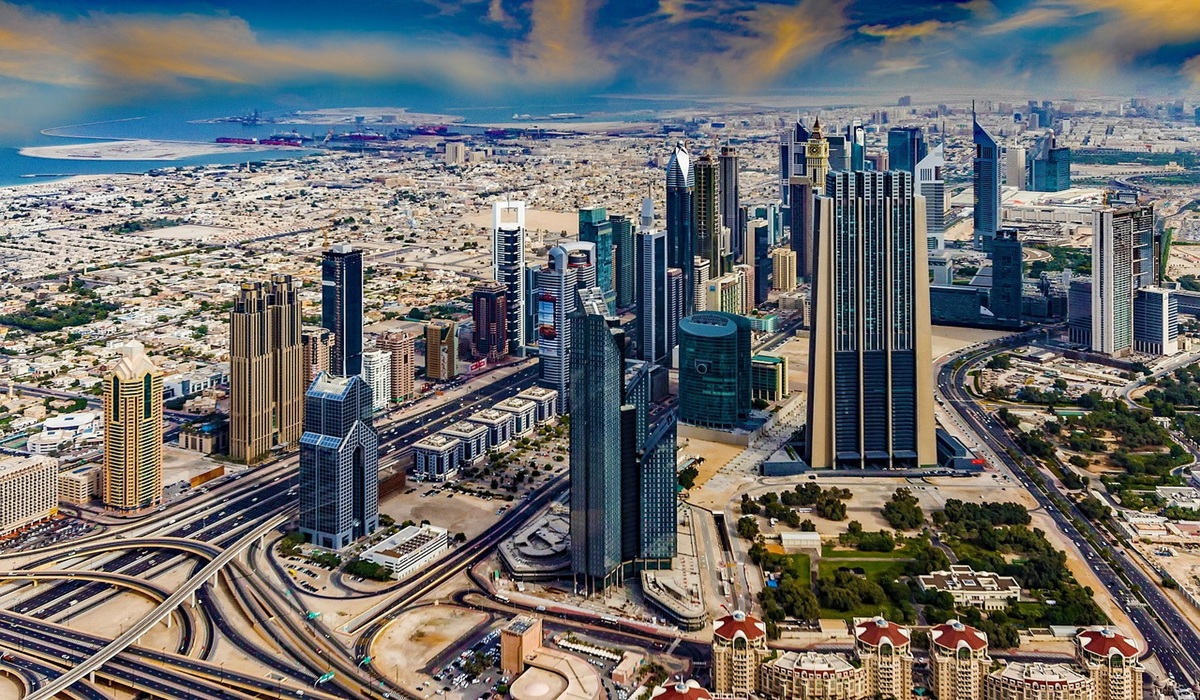
For years, many people in the West viewed the United Arab Emirates as a place built primarily on spectacle. The towering skylines, luxury shopping districts, artificial islands, seven-star hotels, and futuristic architecture were often treated as symbols of excess rather than long-term strategy. Critics dismissed Dubai and Abu Dhabi as glamorous projects fueled by oil wealth and aggressive branding, arguing that much of the appeal was image rather than substance.
That perception has changed significantly over the past decade, particularly as instability, political tension, rising crime, infrastructure strain, and economic anxiety have become increasingly common across many major cities around the world. The UAE is no longer viewed simply as a luxury destination for wealthy tourists. It is increasingly being seen as one of the most organized, ambitious, and strategically disciplined countries in the modern global economy.
What makes the Emirates particularly interesting right now is not only the scale of development, but the timing of it. At a moment when many nations appear uncertain about their future direction, the UAE projects confidence, clarity, and momentum. That matters far more than many governments fully appreciate. In an era dominated by uncertainty, countries that appear stable and forward-looking naturally attract investment, tourism, international business, and skilled professionals searching for opportunity.
For many visitors arriving from North America or parts of Europe, the first reaction is often not amazement at the architecture itself. It is the sense of order. Airports move efficiently, roads are maintained at a high level, public spaces feel clean, and infrastructure appears designed with long-term growth in mind. Travelers frequently describe a feeling that things function the way modern cities are supposed to function. That contrast has become increasingly noticeable as some Western urban centers struggle with visible disorder, public safety concerns, housing pressure, aging infrastructure, and political paralysis.
The UAE has also demonstrated an unusually sophisticated understanding of modern branding and perception. Dubai especially has become exceptionally effective at selling aspiration itself. Nearly every aspect of the city reinforces the same broader message: growth is happening here, opportunity exists here, and the future is being built here. Whether through tourism campaigns, business expansion, aviation, luxury real estate, entertainment, artificial intelligence initiatives, or major global events, the country consistently positions itself as a place where ambition is welcomed rather than restrained.
At the same time, the leadership in the Emirates appears deeply aware that long-term relevance cannot depend solely on oil revenues. Over the years, the country has aggressively diversified into finance, logistics, aviation, renewable energy, tourism, technology, and advanced infrastructure. Massive investments in ports, airlines, free-trade zones, and innovation sectors have transformed the UAE into a global crossroads connecting Europe, Asia, Africa, and North America. That geographic advantage is now being matched with economic strategy and long-term planning designed to secure influence well beyond the energy sector.
Tourism remains one of the clearest examples of how successfully the country has repositioned itself internationally. Millions of visitors are no longer arriving only for luxury shopping or beach vacations. Increasingly, travelers choose the Emirates because they perceive it as safe, efficient, modern, and internationally connected. Families feel comfortable traveling there, business professionals see it as a stable gateway between continents, and entrepreneurs recognize that the country actively encourages investment and growth. In a world where many destinations are battling reputational issues tied to crime, political instability, or deteriorating infrastructure, the UAE has managed to market predictability and security as premium experiences.
Another factor driving the country’s growing influence is its ability to move quickly. Large-scale projects that might take decades of political debate elsewhere are often executed rapidly and decisively. That speed creates an image of competence that resonates strongly in the modern era. While many governments become trapped in endless gridlock and bureaucracy, the Emirates project an entirely different style of governance centered around execution, development, and visible results.
There are, of course, criticisms and complexities surrounding the region, as there are with any rapidly growing global power. Serious debates continue internationally regarding labor issues, political freedoms, and the broader balance between modernization and governance. Those discussions remain part of the global conversation surrounding the Gulf region. At the same time, even many critics acknowledge that the UAE has accomplished something few countries have managed successfully in recent decades: it has created a national image associated with momentum rather than decline.
Perhaps the most fascinating aspect of the UAE’s rise is psychological rather than economic. Much of the modern world currently feels tense, uncertain, and fatigued. Citizens in many countries increasingly question whether their infrastructure, political systems, and economies are capable of sustaining long-term prosperity. Against that backdrop, the Emirates offer a very different image to the world. The country presents itself as clean, ambitious, technologically driven, internationally connected, and relentlessly future-oriented.
That image carries enormous power in the modern global economy because perception increasingly shapes investment, migration, tourism, and influence. Nations are no longer competing only through military strength or natural resources. They are competing through confidence, organization, branding, quality of life, and the ability to convince the world they represent stability in an unstable era.
The UAE appears to understand that reality exceptionally well, and it is one of the reasons the country continues gaining influence far beyond what many observers predicted only a generation ago.
About The Author