Global Financial Markets Navigate Shifting Monetary Policy Expectations And Volatile Energy Pressures Amid Summer Trading
- Ingrid Jones
- Tiger's Eye Advisory Group - Trending News
- Business
- August 27, 2026
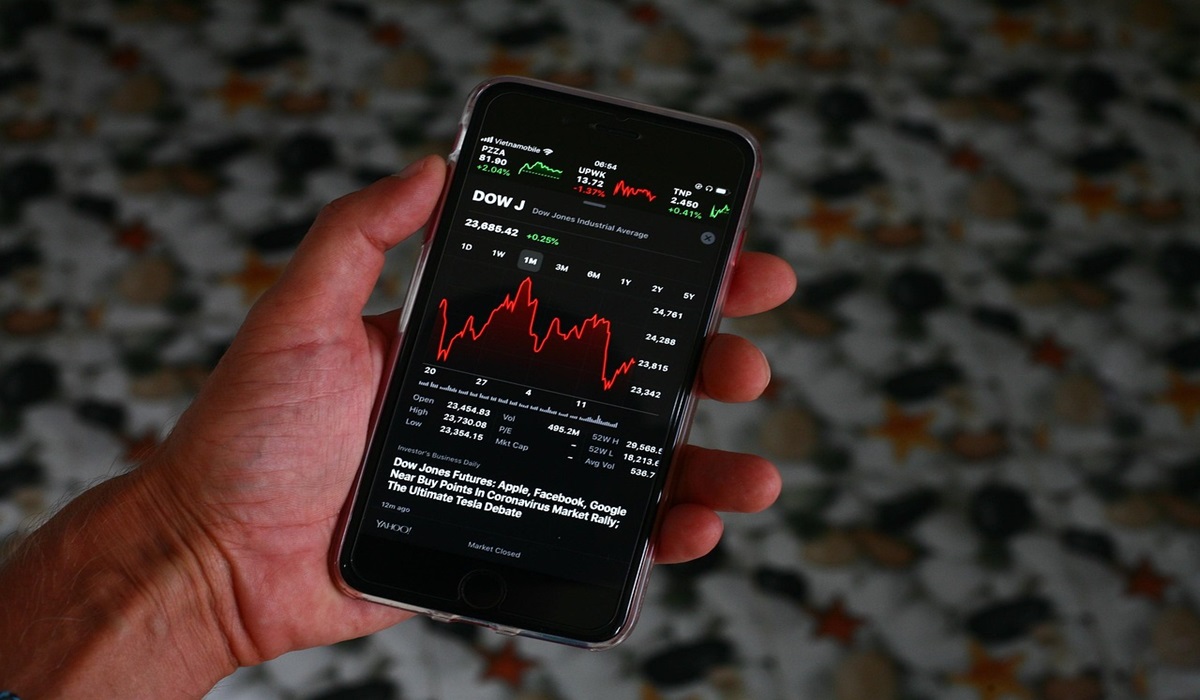
Financial markets around the world have experienced a period of nuanced readjustment as investors carefully weigh evolving macroeconomic indicators, shifting corporate earnings reports, and the unpredictable trajectory of central bank interest rate policies. While the summer trading environment has traditionally been characterized by lower liquidity and thinner volumes, global exchanges have remained highly reactive to incoming data regarding inflation, employment stability, and geopolitical tensions. Major stock indexes in North America, Europe, and Asia have shown resilience, supported in part by a cooling trend in international crude oil prices that has temporarily relieved pressure on corporate input costs and consumer wallets.
Wall Street indexes have posted modest gains, driven by a broader market rotation that has seen investors begin to diversify away from the hyperfocused artificial intelligence and mega cap technology leaders that dominated earlier market cycles. While semiconductor giants and major cloud computing firms continue to generate substantial revenue and cash flow, market participants are increasingly rewarding companies in sectors such as healthcare, industrial manufacturing, and consumer goods that offer steady earnings growth and more reasonable valuations. This rotation reflects a maturing market sentiment where investors demand rigorous proof of return on capital expenditure, particularly regarding the massive sums poured into technological infrastructure over recent years. Corporate earnings season has thus become a critical testing ground, with analysts scrutinizing management guidance and cash generation metrics to determine the underlying health of the broader economy.
Across the globe, international markets have displayed varied responses to regional economic pressures and currency fluctuations. In Asia, exchanges such as South Korea’s Kospi have sought to stabilize following previous bouts of sharp volatility, buoyed by strong performances in core manufacturing and specialized technology segments. Meanwhile, European markets have closely monitored the policy signals emanating from major central banks, where policymakers continue the delicate balancing act of subduing sticky core inflation without choking off labor market stability. Recent economic reports indicating moderating headline inflation figures have provided a psychological boost to equity and bond investors, though persistent risks surrounding Middle Eastern energy supplies and global trade friction keep market participants cautious about potential inflationary resurgences.
Looking ahead, market attention is heavily focused on upcoming central bank symposia and policy meetings, where global financial leaders are expected to provide definitive guidance on the future path of interest rates. The debate between maintaining restrictive monetary stances to anchor price stability and loosening policy to support softening labor markets remains fierce. Investors are acutely aware that any unexpected shift in monetary policy or a sudden escalation in geopolitical trade disputes could quickly alter market momentum. Consequently, institutional and retail investors alike are emphasizing portfolio diversification, risk management, and fundamental asset quality as they navigate an economic environment defined by transition and uncertainty.
About The Author