Lebanon’s Ceasefire Is Holding in Name Only
- Hami Aziz
- Tiger's Eye Advisory Group - Trending News
- Middle East
- May 13, 2026
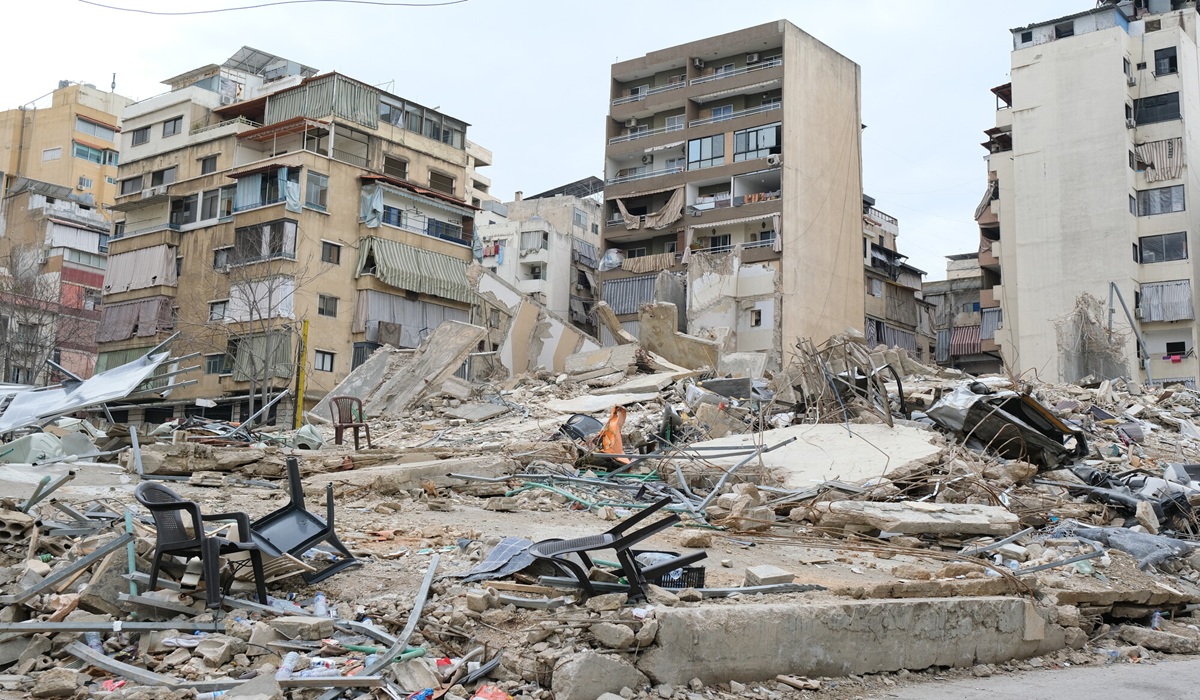
Nearly 600 people have died in Lebanon since a ceasefire was supposed to end the fighting — and for the families still picking through the rubble of their villages, the agreement might as well not exist.
The Norwegian Refugee Council released figures this week showing that at least 588 people have been killed since the ceasefire between Lebanon and Israel came into effect on April 17, including 23 children and eight healthcare workers. More than 1,200 others have been injured. Over a million people remain displaced, unable or afraid to go home.
“Civilians in Lebanon have known no peace since the agreement was announced,” said Maureen Philippon, the NRC’s Country Director in Lebanon. “They continue to be killed, injured and displaced by daily Israeli attacks and evacuation orders. The ceasefire is now hanging in the balance.”
For many Lebanese families, the ceasefire announcement in mid-April felt like the first real breath in months. Some packed their bags and headed south to check on their homes. What they found stopped them cold.
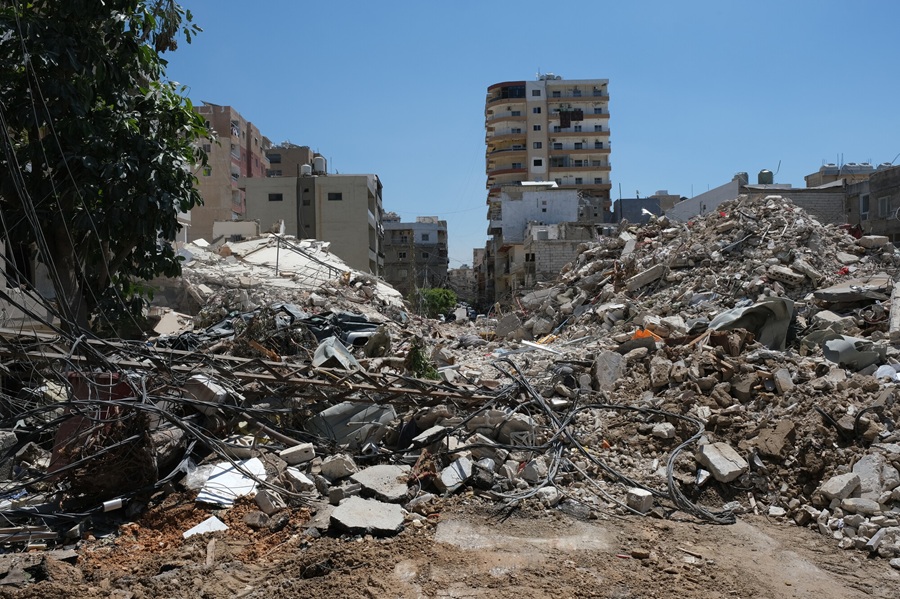
One woman from Bint Jbeil described driving back to her village only to turn around again. The house was damaged, the water was cut, and there was no electricity. There was nothing to go back to.
Satellite imagery has since confirmed what many families saw with their own eyes: in some parts of southern Lebanon, entire villages have been bulldozed to rubble. The destruction isn’t just physical — it’s a systematic dismantling of the conditions that make return possible.
Israel has also established what it calls a “Yellow Line,” a de facto buffer zone encompassing 55 Lebanese villages where Israeli forces continue to operate. For the families whose land and homes fall inside that line, the ceasefire has not meant freedom to return. It has meant a new, more permanent-feeling kind of limbo.
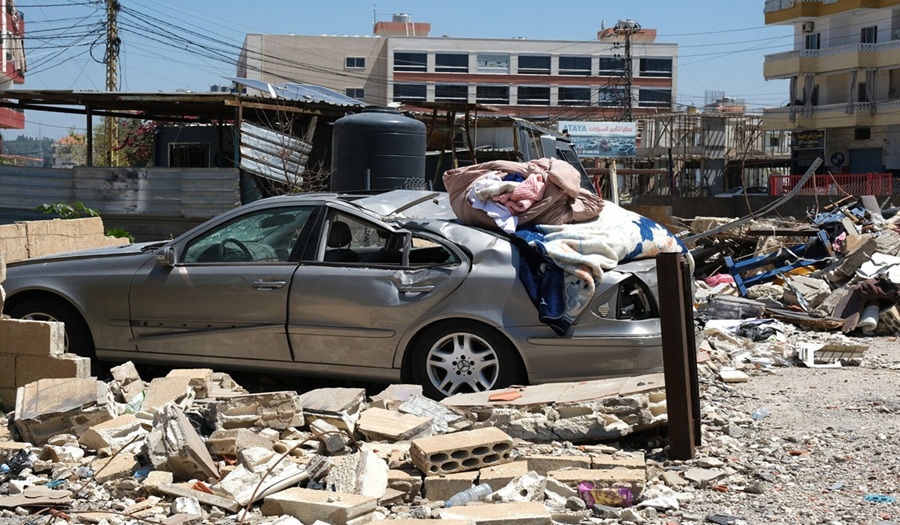
The ceasefire, which began as a 10-day arrangement before being extended by three weeks, has not stopped the violence. Artillery shelling, airstrikes, and demolitions have continued in southern Lebanon and the Bekaa Valley. Beirut was struck once during the ceasefire period. Entire families have been killed.
Hezbollah has also reportedly launched drones and missiles toward Israel during the same period, though no casualties from those attacks have been reported.
The NRC has stopped short of declaring the ceasefire dead, but its language is pointed. The organization is calling on all parties to fully respect the agreement and uphold international humanitarian law — a signal that, in its view, neither side has done so consistently.
Lebanon was already in crisis before this latest escalation, which began in earnest in early March. Years of economic collapse, a currency in freefall, and a political system in near-permanent deadlock had left the country with almost no cushion. The destruction now documented across the south will require a level of international reconstruction support that Lebanon cannot provide for itself.
The NRC is warning that the longer displacement continues — and the more infrastructure is destroyed — the harder and more expensive any recovery becomes. That’s not just a humanitarian concern. It’s a stability concern for a country that has, for decades, served as a pressure valve for regional tensions it didn’t create.
“Lebanon risks sliding from a fragile ceasefire into another cycle of violence,” Philippon said, “one that civilians simply cannot endure.”
For the woman from Bint Jbeil, and the million others like her still waiting to go home, that warning doesn’t feel abstract. It feels like where she already is.
About The Author