Winnipeg Taxpayers Deserve Answers: Will Arlington Bridge Contractors Be Held Accountable for Cost Overruns?
- Don Woodstock
- Canada
- May 27, 2026
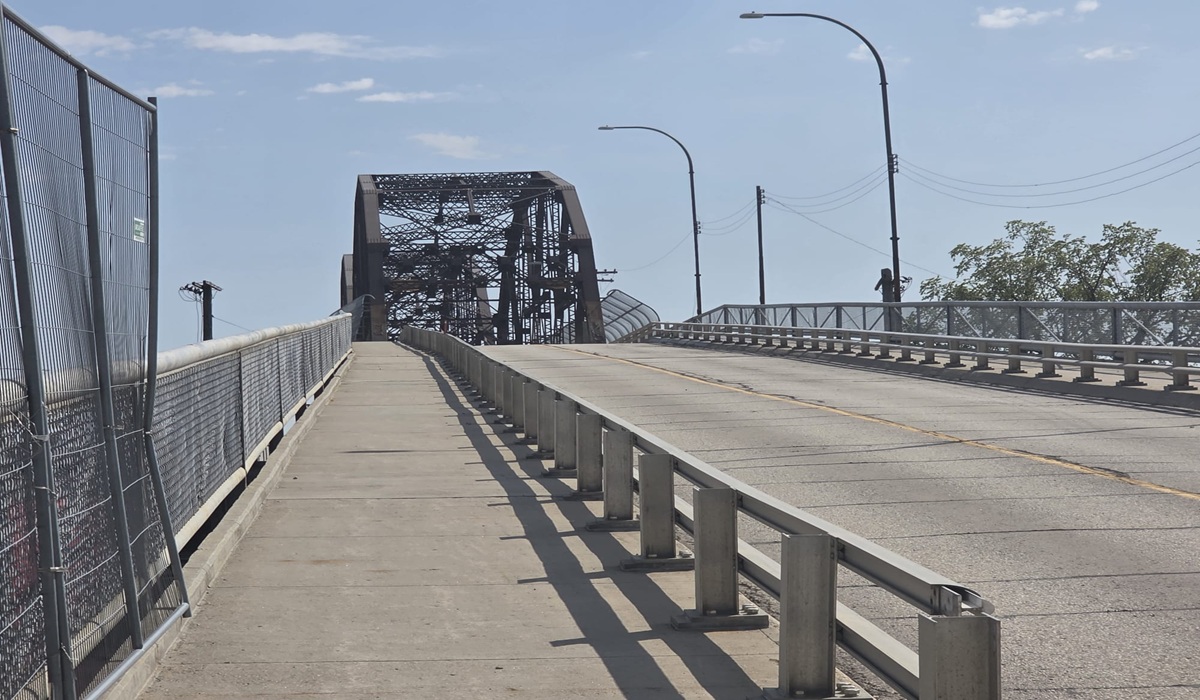
The Arlington Bridge should have never reached this point. For years, Winnipeggers watched the structure deteriorate while City Hall delayed decisions, commissioned studies, debated reports, and continued spending taxpayer dollars trying to keep a failing bridge alive. Everybody knew the bridge was nearing the end of its lifespan, yet instead of decisive planning, residents were forced to watch years of hesitation turn into another enormous bill handed directly to taxpayers.
Now the City of Winnipeg is preparing to spend nearly $20 million dismantling the bridge, and while most citizens agree the structure has become unsafe and needs to come down, the larger issue goes far beyond steel and concrete. The real issue is the complete collapse of public trust in City Hall’s ability to properly budget, estimate, manage, and control major infrastructure projects. At this point, many Winnipeggers no longer hear the phrase “estimated cost” and feel reassured because history has repeatedly shown those estimates rarely stay where they started.
Time after time, contracts balloon in cost while taxpayers are expected to quietly absorb the damage. The North End Sewage Treatment Plant became one of the clearest examples of this dysfunction as costs continued climbing far beyond what residents were originally told. Then came the Winnipeg police headquarters project, another financial disaster that spiraled into years of legal battles, massive overruns, and ultimately saw the contractor ordered to repay roughly $29 million to the city. Even after that repayment, taxpayers were still left carrying enormous legal fees and years of uncertainty surrounding a project that should have never been allowed to spiral so badly out of control in the first place.
That is exactly why public frustration has reached the level it has today. Ordinary citizens do not get to operate this way financially in their own lives, and small businesses certainly cannot quote one number before endlessly returning to customers demanding more money every time things go sideways. Yet City Hall continues operating under a culture where budgets appear flexible, overruns become normalized, and taxpayers are repeatedly expected to clean up the financial fallout afterward.
Contracts are supposed to mean something, and contractors bid on projects for a reason. Bonds and contractual protections exist specifically to protect the public when projects begin drifting beyond their original scope or financial commitments. Most people hear terms like “performance bond” and immediately assume it is complicated legal jargon, but the concept itself is straightforward. A contractor agrees to complete work under specific terms and for a specific amount, and those protections are supposed to ensure taxpayers are not endlessly exposed if costs spiral beyond control.
Instead, what Winnipeggers have watched over the years is a city administration that appears far too willing to reopen the taxpayer checkbook every time projects balloon beyond their original numbers. The public perception has become brutally simple and deeply damaging to civic confidence: the city is bad at budgeting, bad at estimating, bad at controlling costs, but very good at handing over more taxpayer money after the damage is already done. That perception was not created by cynicism alone because City Hall has spent years reinforcing it through repeated examples of projects drifting further and further away from original financial commitments.
Now comes the Arlington Bridge dismantling project during a period when Winnipeg is once again moving toward election season, a time when visible infrastructure announcements and major spending commitments historically accelerate. Citizens are not naive, and they understand political timing perfectly well. That reality makes transparency even more critical because public trust is already hanging by a thread after years of watching infrastructure projects spiral financially while accountability becomes harder and harder to find.
Residents deserve far more than another announcement followed by another estimate that may eventually grow larger. They deserve hard guarantees explaining exactly how taxpayers will be protected if costs begin ballooning yet again, and they deserve complete transparency regarding the massive amount of steel being removed from the bridge because that material carries significant financial value. Every recoverable dollar should return directly to the public purse, especially during a time when Winnipeg families are already struggling with rising taxes, housing pressures, food costs, and utility bills.
Winnipeggers are not opposed to progress, and they are not opposed to removing an unsafe bridge that has clearly reached the end of its life. What they are opposed to is a cycle where the same financial mistakes happen over and over while taxpayers continue carrying the consequences. At some point, residents stop believing promises and start judging governments entirely by results, and right now far too many citizens are looking at this project and asking themselves one simple question: if City Hall could not control costs before, why should taxpayers suddenly believe this time will be any different?
About The Author