Don Woodstock First Mayoral Candidate to Reject Safe Injection Sites
- Contributor
- Canada
- May 20, 2026
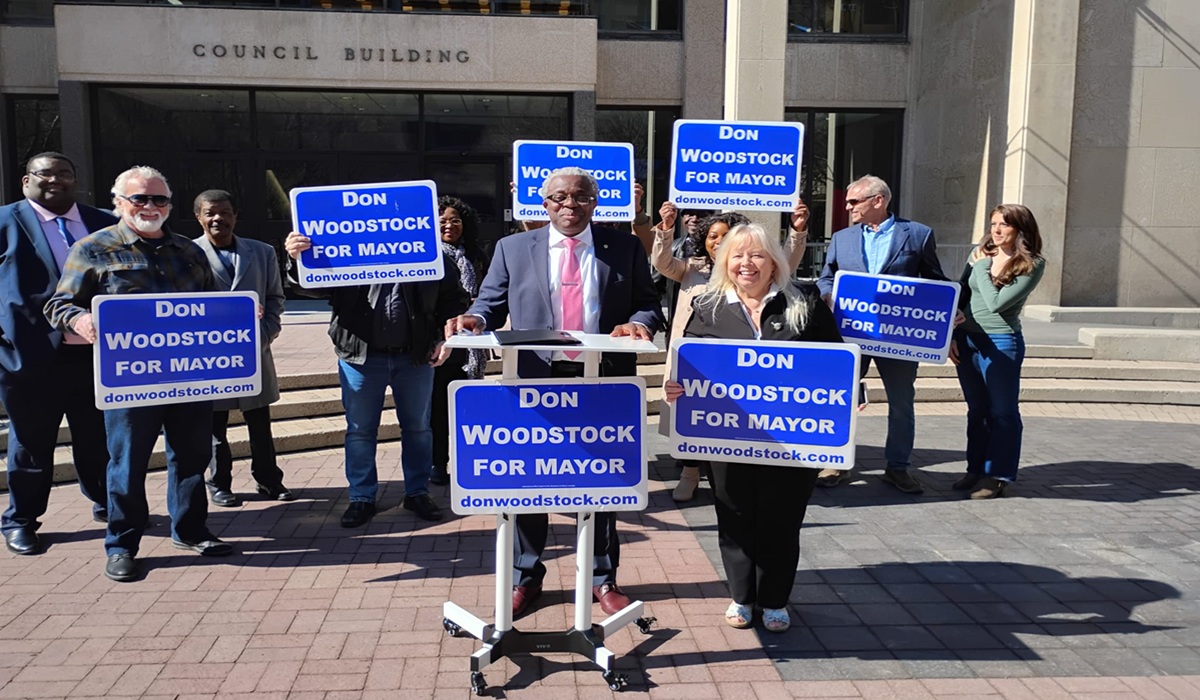
Says Winnipeg Must “Put Humanity Back Into Homelessness”
Don Woodstock is positioning himself as one of the first major candidates in Winnipeg’s 2026 mayoral race to make opposition to safe injection sites a central campaign issue, while simultaneously arguing for what he describes as a more aggressive and compassionate approach to homelessness, addictions, and mental health recovery.
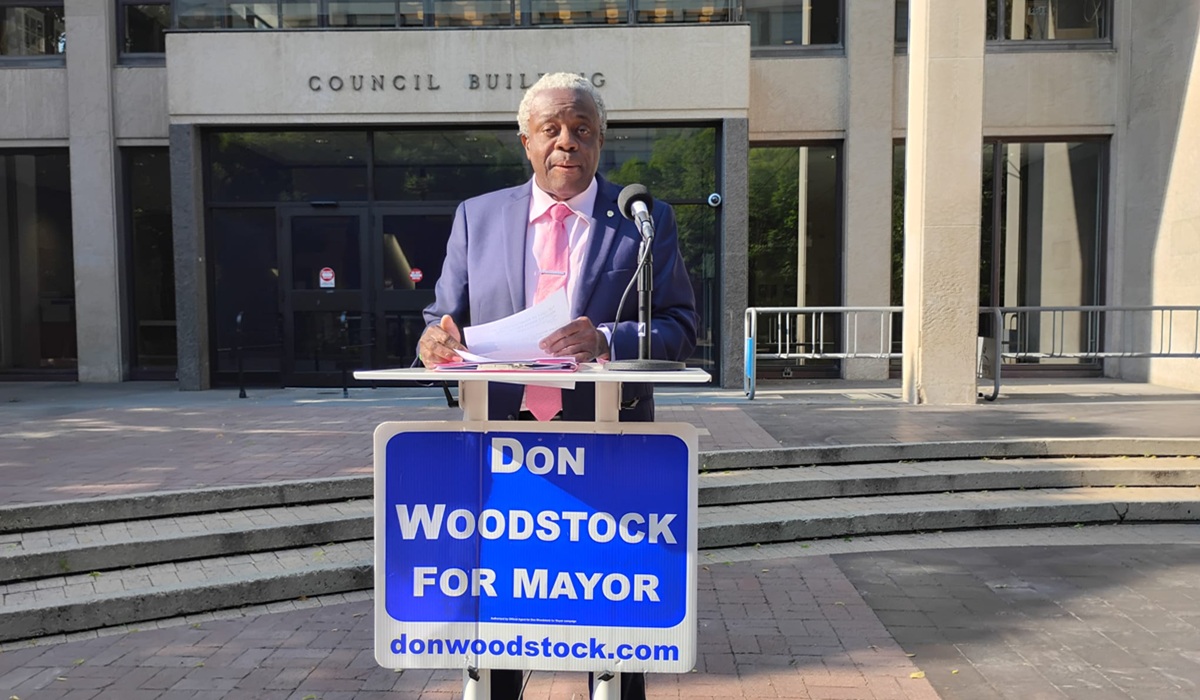
Woodstock formally launches his mayoral campaign Wednesday morning at Winnipeg City Hall, entering the race with a platform heavily focused on public safety, transit reform, neighbourhood revitalization, recreation investment, and what he calls “putting humanity back into homelessness.”
The longtime community advocate and former Winnipeg Transit operator is drawing a hard line against safe injection sites, saying his administration would not support permits tied to those operations within the city.
“My administration will not support safe injection sites in Winnipeg,” Woodstock said in a campaign statement released ahead of his registration filing. “No permits related to those operations will move forward under my administration.”
The issue is expected to become one of the more controversial debates of the upcoming civic election, particularly as governments across the country continue to grapple with worsening addictions, rising overdose deaths, encampments, mental health pressures, and growing public frustration surrounding crime and disorder in urban centres.
While acknowledging that health care jurisdiction largely falls under provincial and federal authority, Woodstock argued municipalities still have a responsibility to shape the direction of local policy and public safety priorities.
“Yes, health care involves both provincial and federal jurisdiction, but the priority must shift toward treatment, recovery, mental health supports, housing stabilization, and full wraparound services that actually help people rebuild their lives,” he said.
The campaign’s messaging goes beyond opposition to safe injection sites and attempts to frame the broader issue as one rooted in failed public policy and loss of human dignity.
“If governments have the money to allow people to inject themselves while drug dealers loiter outside buildings, and the result is more needles, meth, and drugs ending up in school yards, playgrounds, streets, businesses, daycares, and schools, then that is a damn problem,” Woodstock said. “That is not solving addiction. That is not humanity. That is not compassion. That is enabling. That’s bullshit.”
Woodstock’s comments arrive at a time when concerns surrounding homelessness and addictions continue to intensify across Winnipeg, particularly in the downtown core and surrounding neighbourhoods where residents and businesses have repeatedly raised concerns about public drug use, violent incidents, vandalism, and visible encampments.
However, Woodstock insists his approach is not about punishment or criminalization alone. Instead, he says the city must aggressively pursue treatment-first solutions while refusing to normalize addiction in public spaces.
“These are human beings,” he said. “If governments are willing to fund injection sites, then governments can fund treatment beds, recovery centres, housing supports, and programs that help people get healthy again.”
The candidate also referenced the growing number of deaths tied to homelessness and addictions in recent weeks, arguing the current system is failing vulnerable residents.
“Just in recent weeks, more than 30 people connected to homelessness and addiction have died. How is this a solution?” Woodstock said. “No one should be freezing outside in minus-30 weather while people walk past them like they do not matter. Real compassion means getting people off the streets, into treatment, into housing, and into recovery.”
Beyond addictions policy, Woodstock is also attempting to distinguish himself through transit policy, highlighting his nearly decade-long experience working directly within Winnipeg Transit as an operator.
He says his campaign has already developed a full-scale transit strategy that would reassess disrupted routes and focus on restoring reliability to major corridors including Pembina, Portage and Main, Henderson, and Graham.
“People should not be missing buses to hospitals, work, school, or daycare,” Woodstock said. “Kids should not be late for school because the system stopped making sense. That is unacceptable.”
Woodstock’s broader campaign platform also includes expanded recreation investments for youth and seniors under the slogan “more sports, less crime,” which he argues would help address social disorder through prevention, mentorship, and stronger community infrastructure.
The campaign says additional policy announcements will continue throughout the election period as Woodstock attempts to position himself as a solutions-focused alternative in a race expected to intensify over the coming months.
About The Author